
Style Overview:
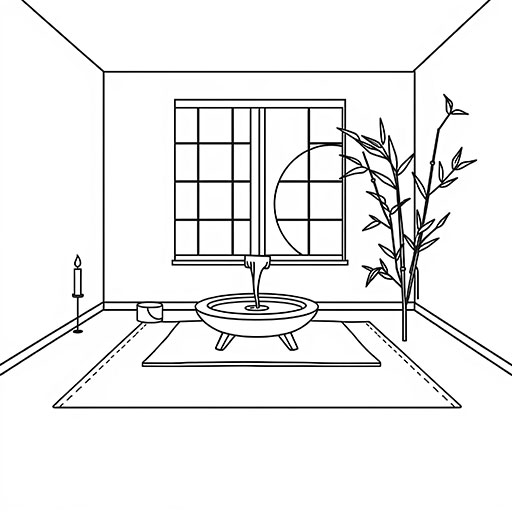
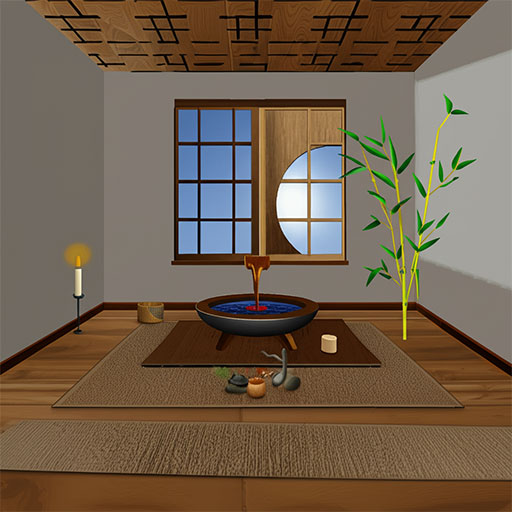
A zen-inspired meditation space is a serene retreat within the home—minimalist, balanced, and deeply calming. The design centers on natural elements and soft textures, with floor cushions or tatami mats providing grounding comfort. Soft lighting, such as paper lanterns or Himalayan salt lamps, encourages introspection and peace. The space is clutter-free, often decorated with elements like bamboo, stones, or a single bonsai tree, allowing the mind to rest.
Historical Context:
Zen design has its roots in Japanese aesthetics, shaped by Buddhist philosophies of simplicity, harmony, and the importance of empty space. The concept of “ma” (間) — the space between things — plays a central role in creating peaceful, breathable environments. In modern interiors, zen design has influenced minimalist and wellness-focused trends, as people seek sanctuaries of calm in their homes.
Western designers have incorporated zen principles into spa-like bathrooms, quiet corners, and yoga or meditation spaces to promote mental clarity and mindfulness.
Key Elements:
-
Natural Materials – Bamboo, stone, wood, and linen.
-
Neutral Color Palette – Soft earth tones, whites, and greys.
-
Floor Seating – Meditation cushions, yoga mats, or tatami.
-
Soft Ambient Lighting – Paper lanterns, candles, or soft LED lights.
-
Minimal Decor – Bonsai, incense burners, or minimalist art.
-
Calm Sounds – Often paired with wind chimes, water fountains, or soft nature audio.
Influential Designers:
-
Tadao Ando – Celebrated for incorporating Zen principles of space, light, and silence into his architecture.
-
Shigeru Ban – Known for simple structures using sustainable materials, emphasizing natural beauty and calm.
-
Isamu Noguchi – His sculptural furniture and lighting pieces evoke organic simplicity central to zen design.
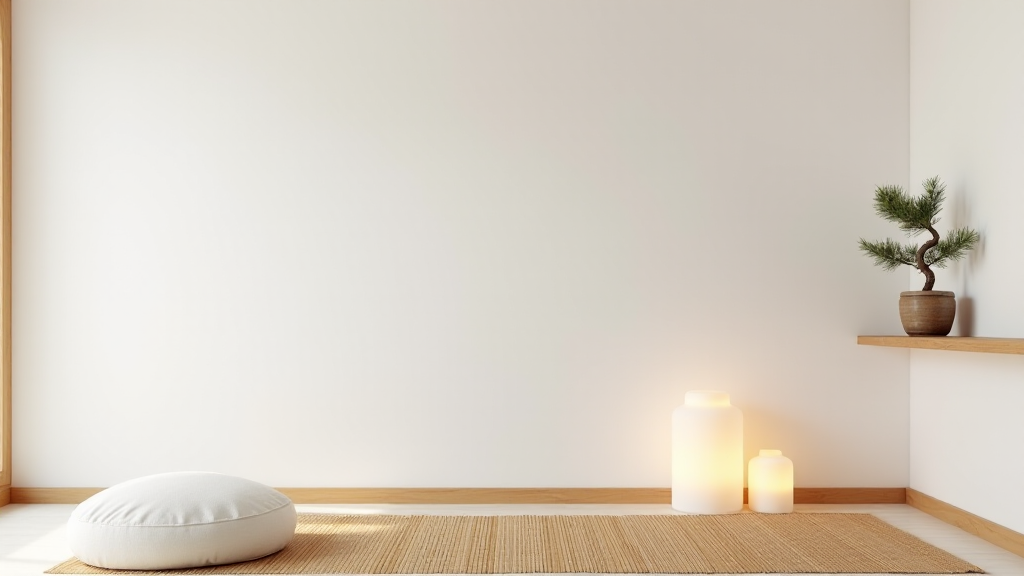
Serene Meditation Corner
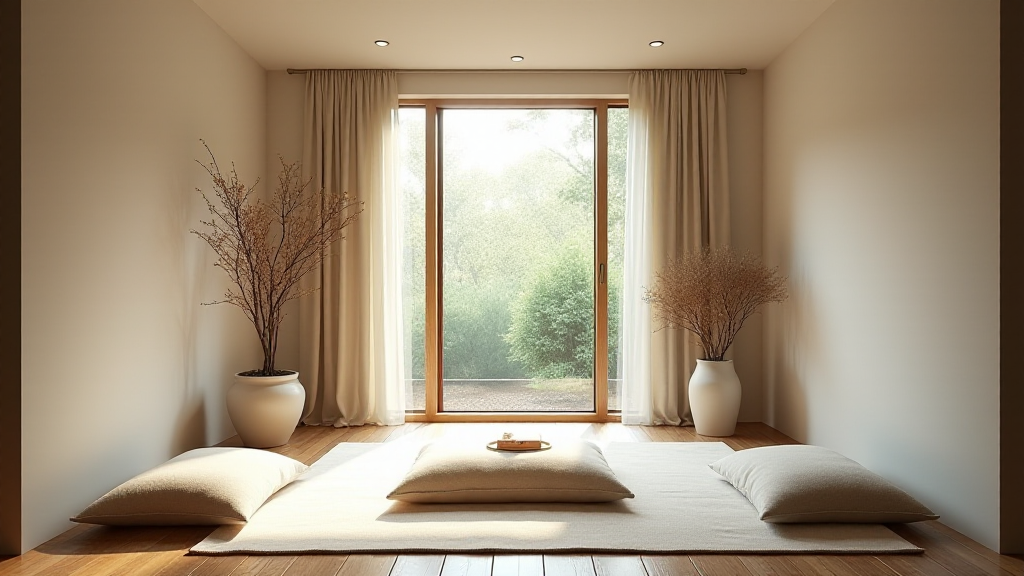
Natural Zen Space
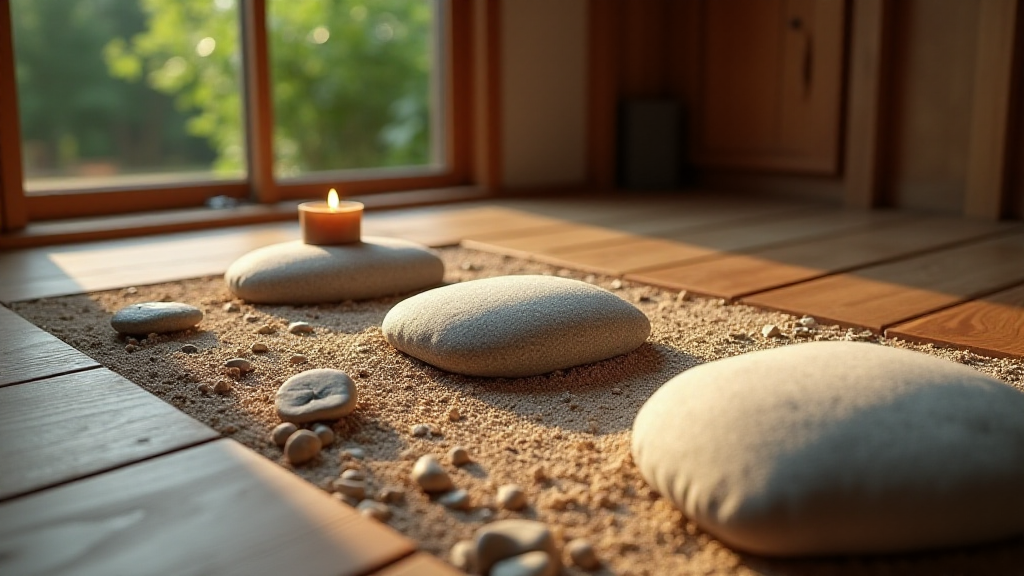
Indoor Zen Garden
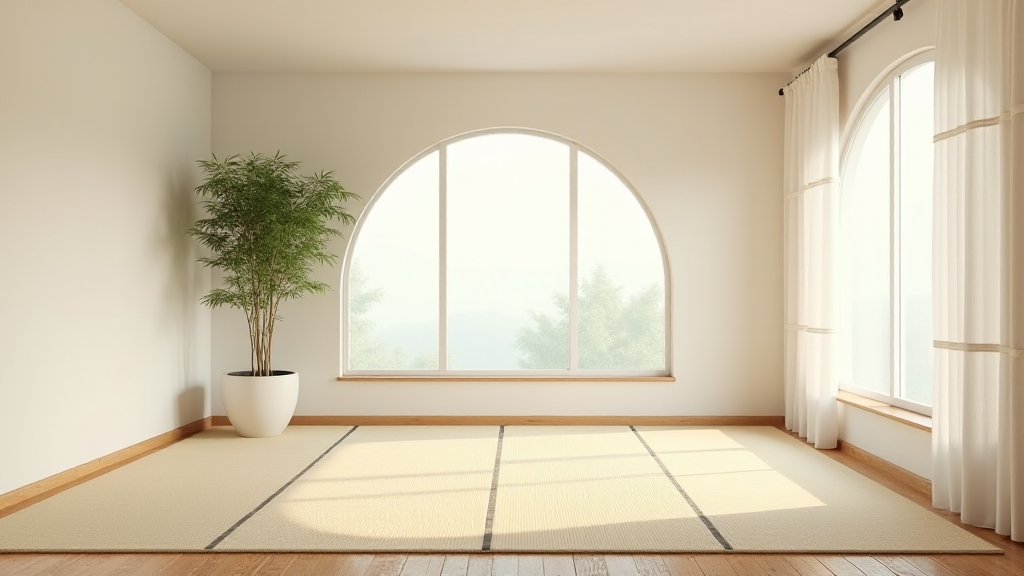
Monastic Minimalism


