
Style Overview:
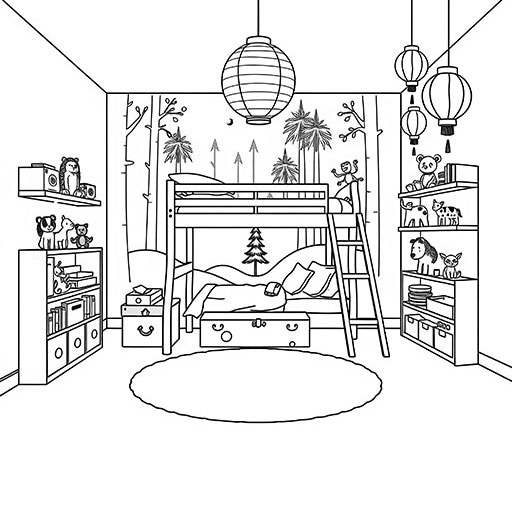
The vibrant kids’ playroom is a joyous explosion of color, creativity, and comfort. Designed to engage the imagination, these rooms feature bold furniture, playful patterns, soft rugs, and plenty of open space for play. Storage is often built-in or cleverly disguised in bins and cubbies, keeping the area functional without sacrificing fun. From alphabet wall decals to rainbow-hued chairs, every element sparks joy and learning.

Historical Context:
Dedicated children’s playrooms are a relatively modern invention. In the mid-20th century, post-war family homes began to include designated spaces for children. As early education philosophies evolved—especially those influenced by Maria Montessori and Friedrich Froebel—designers began to prioritize environments that stimulate imagination, independence, and sensory exploration.
Modern playroom design focuses on developmental benefits, often incorporating educational features, interactive zones, and vibrant aesthetics that reflect the energy of youth.
Key Elements:
-
Bright Colors – Primary and secondary colors are used boldly across furniture and decor.
-
Soft Flooring – Rugs, mats, or carpet tiles for safe and comfy play.
-
Multi-functional Furniture – Toy chests, modular shelves, and activity tables.
-
Interactive Wall Art – Alphabet decals, chalkboard paint, or pegboards.
-
Organized Chaos – Clearly labeled bins and open cubbies keep things tidy.
-
Whimsical Themes – Animals, outer space, jungle, or fantasy elements.
Influential Designers:
-
Jean Orpwood – A pioneering designer in children’s educational play environments.
-
Cas Holman – Known for designing educational play systems that foster creativity.
-
Lella Vignelli – Though known for her broader design work, she emphasized simplicity and color in everyday objects, influencing child-centric spaces.

Colorful Creative Playroom

Learning and Fun Space

Themed Playroom Design

Montessori-Inspired Kids Room


