
Style Overview:
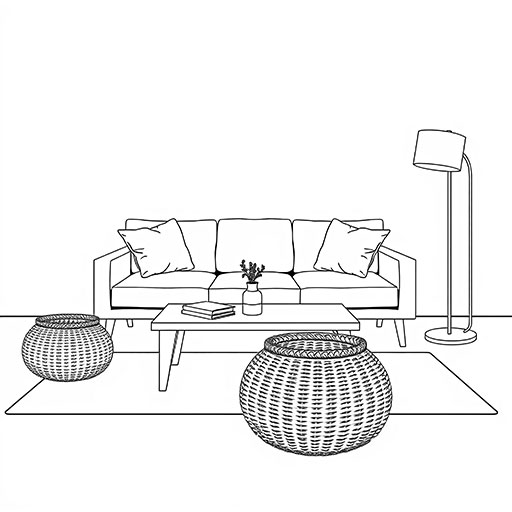
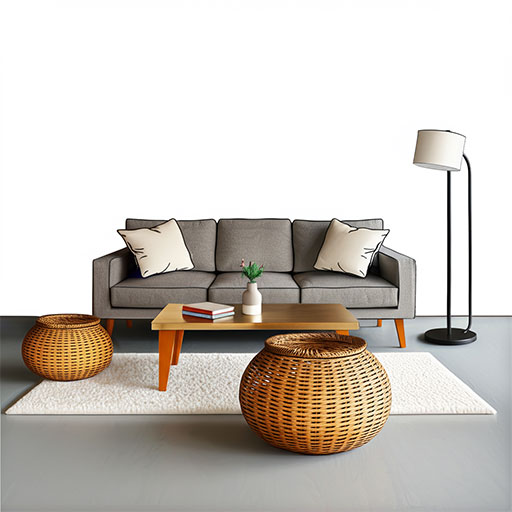
The Scandinavian lounge is a masterclass in cozy minimalism. It favors a calm, neutral palette—think whites, grays, and beiges—complemented by natural textures like wool throws, soft cotton cushions, and light wood furniture. Functionality is key, but not at the expense of warmth. With plenty of light and open space, this lounge invites quiet reflection and relaxed living.
Historical Context:
Scandinavian design emerged in the early 20th century and gained global attention in the 1950s. Rooted in the principles of simplicity, affordability, and craftsmanship, the movement was a response to harsh Nordic climates and long winters. Interiors were intentionally bright and airy to counteract the darkness, and furniture was designed to be beautiful yet practical.
Scandinavian modernism was heavily influenced by Bauhaus principles and has remained a staple of contemporary interiors due to its timeless, soothing aesthetic.
Key Elements:
-
Neutral Color Palette – Whites, soft grays, beige, and muted tones.
-
Natural Materials – Light wood, cotton, wool, and leather accents.
-
Clean Lines – Furniture with a minimalist silhouette and no excessive ornamentation.
-
Layered Textures – Cozy throws, area rugs, and soft cushions add warmth.
-
Functional Decor – Every item has a purpose; clutter is avoided.
-
Light Maximization – Large windows, sheer curtains, and mirrors enhance brightness.
Influential Designers:
-
Alvar Aalto – Finnish architect and designer known for his organic, human-centric modernism.
-
Arne Jacobsen – Creator of iconic furniture pieces like the Egg and Swan chairs.
-
Ilse Crawford – Though British, she has adopted Scandinavian values of well-being and comfort in her designs.
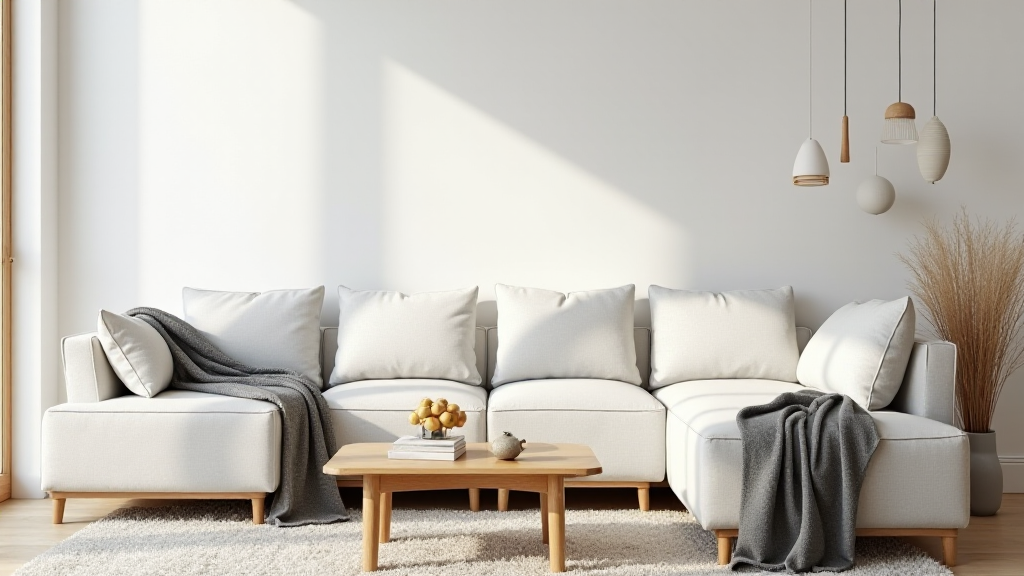
Classic Scandinavian Lounge
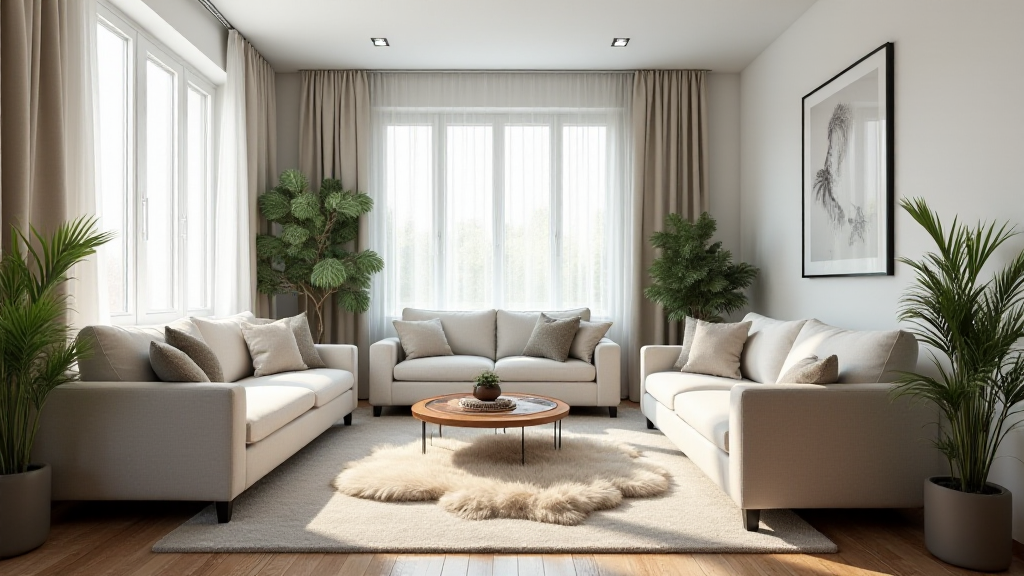
Cozy Nordic Living Space
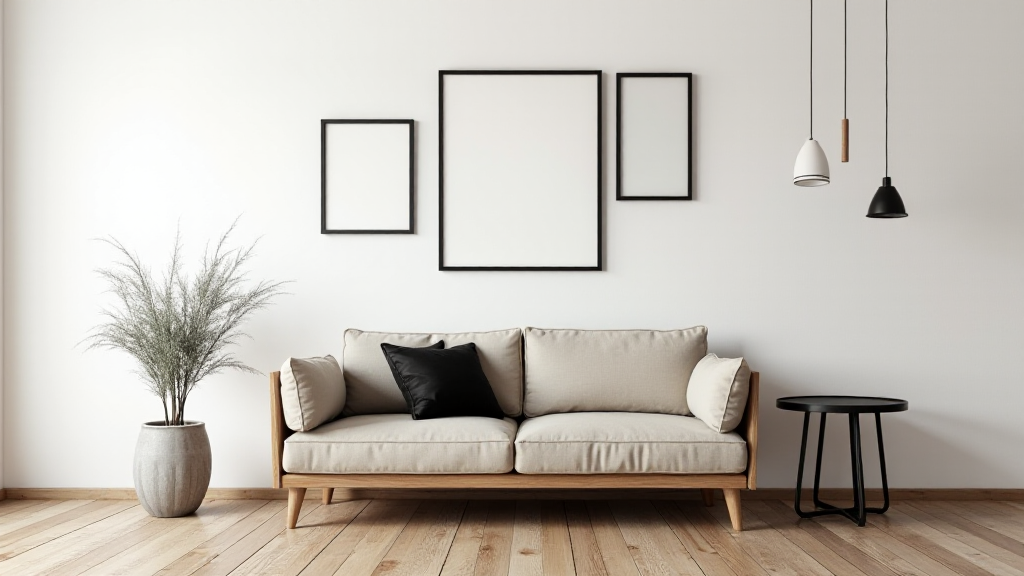
Minimalist Winter Lounge
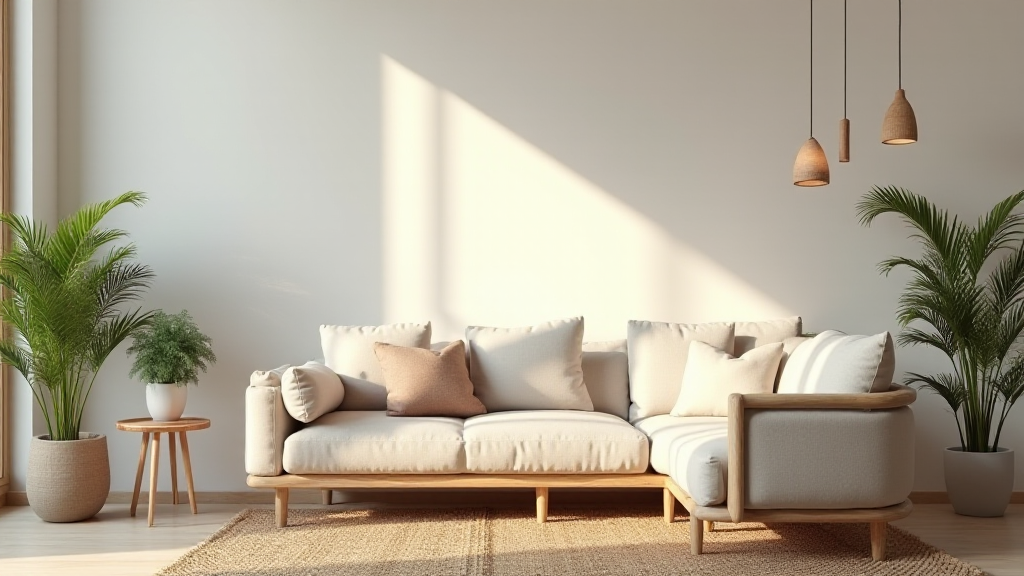
Soft Textures and Warmth


