
Style Overview:
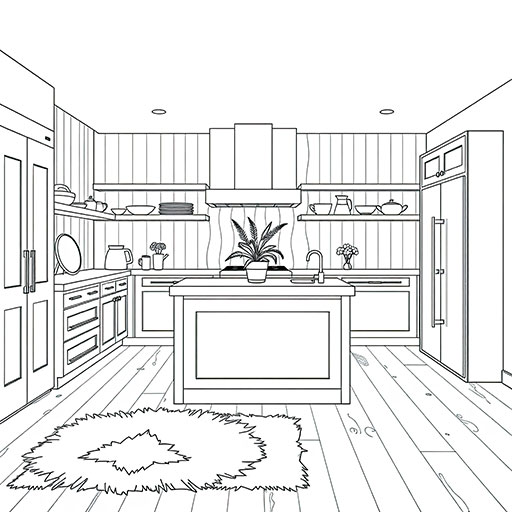
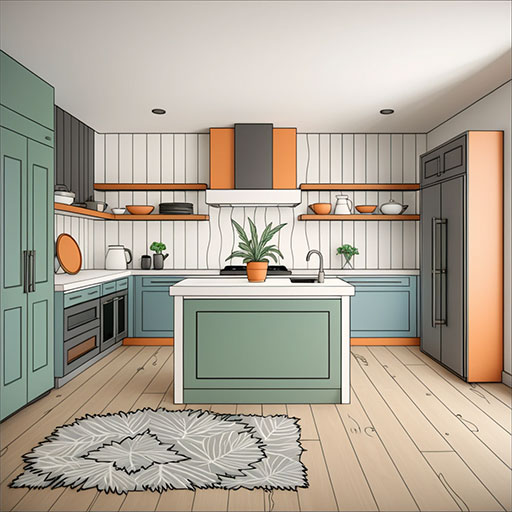
Scandinavian design is synonymous with simplicity, functionality, and natural beauty. A Scandinavian-inspired kitchen combines pale wood tones, clean white surfaces, and minimalistic forms to create a calming and practical space. The emphasis is on efficiency, daylight, and materials that evoke warmth without visual clutter.
Historical Context:
The Scandinavian design movement took hold in the 1950s in countries like Sweden, Denmark, and Norway. It was a reaction to the overly ornate styles of the past and focused on affordability, democratic design, and a connection to nature. The kitchen became a central social hub, often small but designed with thoughtful efficiency. These principles remain today, guiding modern interpretations of Scandinavian interiors.
Key Elements:
-
Light Wood Cabinets – Birch, pine, or oak finished in pale tones.
-
White Subway or Square Tiles – Clean, crisp, and often matte-finished.
-
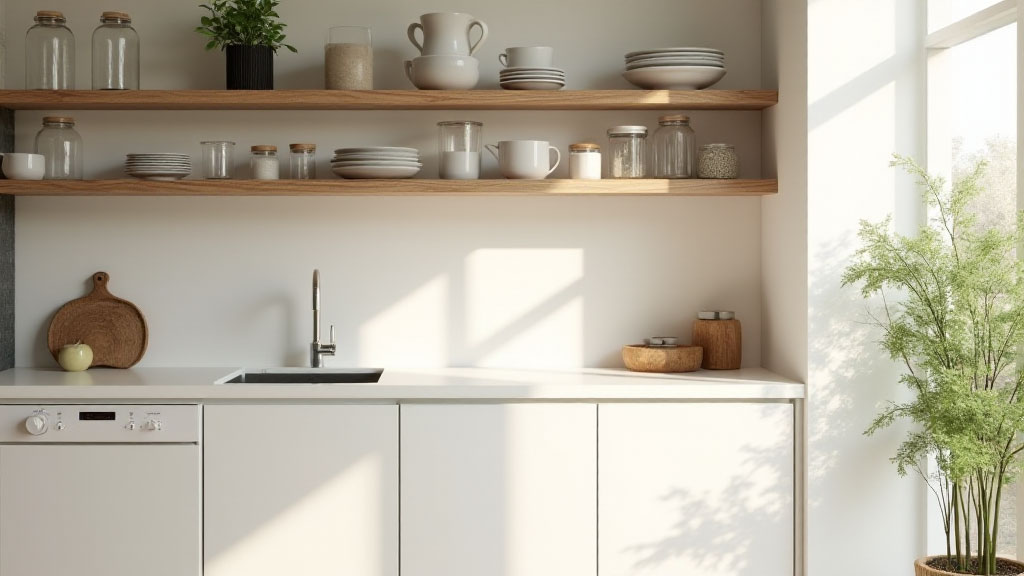
Open Shelving – For dishes, plants, or minimal accessories.
-
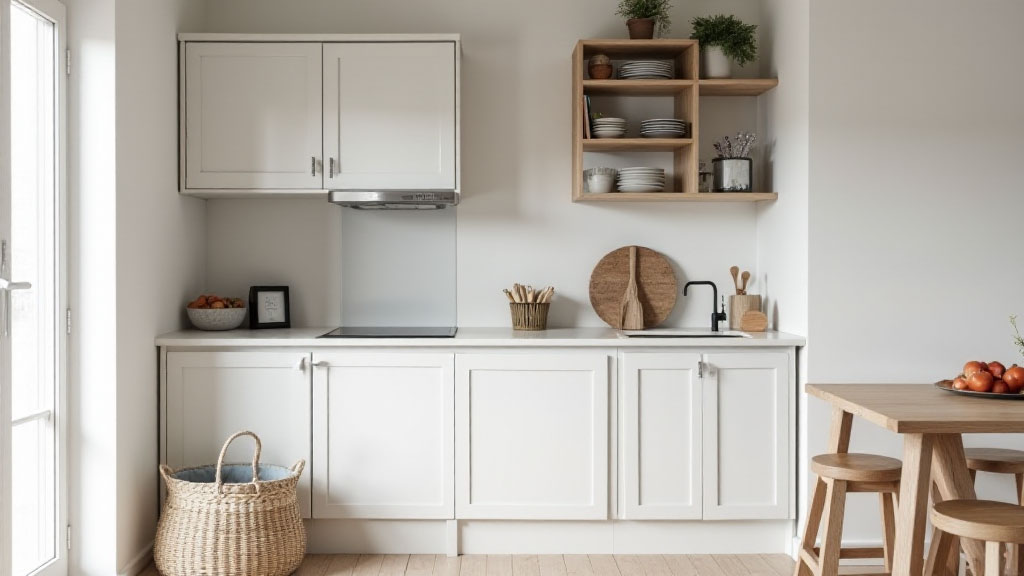
Functional Layout – Optimized for small spaces with smart storage.
-
Neutral Color Palette – Whites, greys, and soft natural hues.
-
Warm Textures – Wooden stools, linen curtains, and ceramic details.
👩🎨 Influential Designers:
-
Ilse Crawford – A pioneer in human-centered design, Crawford blends functionality with feeling and has reimagined kitchens in Nordic simplicity.
-
Cecilie Manz – Danish designer known for minimal, beautifully crafted furniture and kitchenware with restrained elegance.
-
Nina Bruun – A Scandinavian design expert whose consultancy champions modern Nordic style with warm minimalism.

Hygge Kitchen
Soft Minimalism Kitchen
Compact Nordic Kitchen
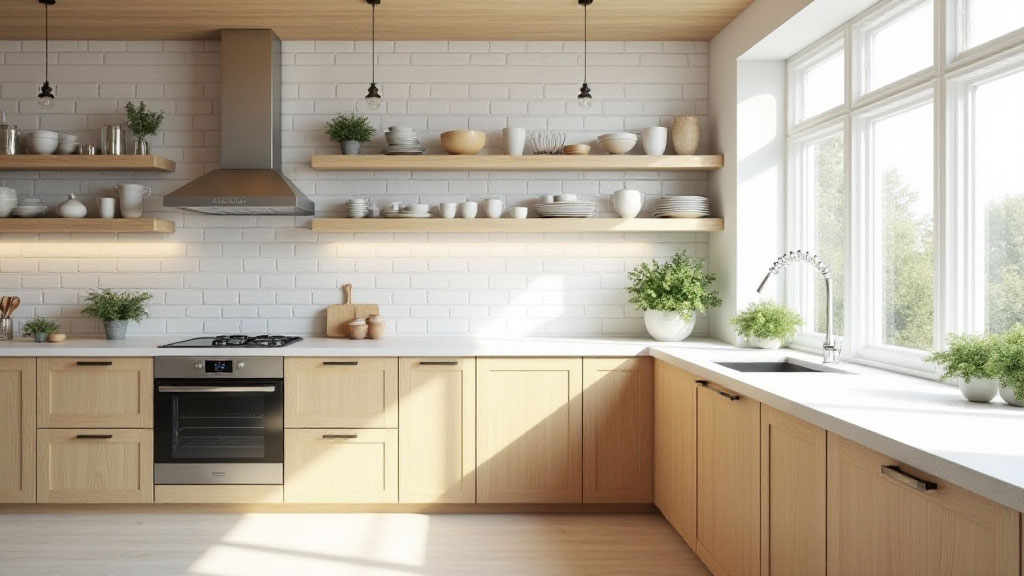
Classic Scandinavian Kitchen


