
Style Overview:
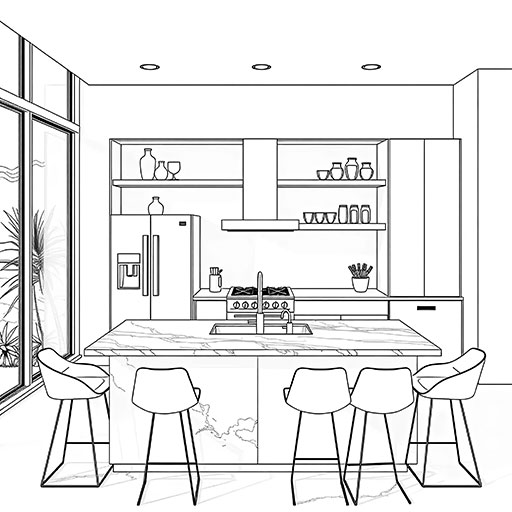
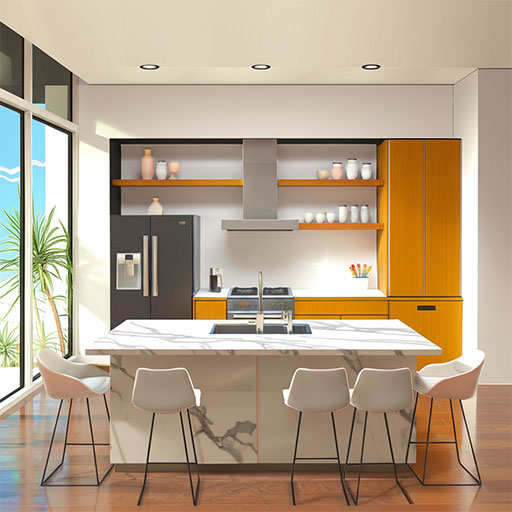
The modern kitchen is a sleek blend of function and form, with a central island serving as both a social hub and practical workspace. High-end appliances—often built-in and stainless steel—seamlessly integrate into the design. Clean lines, minimal clutter, and high-contrast finishes (like white cabinetry with dark countertops or vice versa) define this space. It’s a kitchen built for both efficiency and style.
Historical Context:
The concept of the modern kitchen evolved during the 20th century, influenced by industrial design and innovations in technology. The Frankfurt Kitchen in the 1920s set the stage for ergonomic, efficient layouts. By the 1950s and 60s, sleek lines and open-plan living began to influence kitchen design, and by the 2000s, the kitchen island became a must-have feature.
Today’s modern kitchen emphasizes clean aesthetics, energy-efficient appliances, and seamless integration with open living areas—reflecting contemporary life’s need for beauty and utility.
Key Elements:
-
Kitchen Island – Central unit often with seating, extra storage, and prep space.
-
High-End Appliances – Built-in ovens, smart refrigerators, induction cooktops.
-
Minimalist Cabinetry – Flat-panel cabinets in matte or gloss finishes.
-
Modern Lighting – Pendant lights or recessed lighting for a bright workspace.
-
Neutral Palette – Whites, blacks, grays with occasional warm wood or metallic accents.
-
Sleek Surfaces – Quartz or granite countertops, glossy backsplashes, seamless fixtures.
Influential Designers:
-
Mick De Giulio – Known for luxurious, functional kitchen design with a modern edge.
-
Clodagh – Fuses minimalism and holistic design in kitchen spaces with warmth and simplicity.
-
Johnny Grey – Pioneered the concept of “unfitted kitchens” blending innovation with coziness.
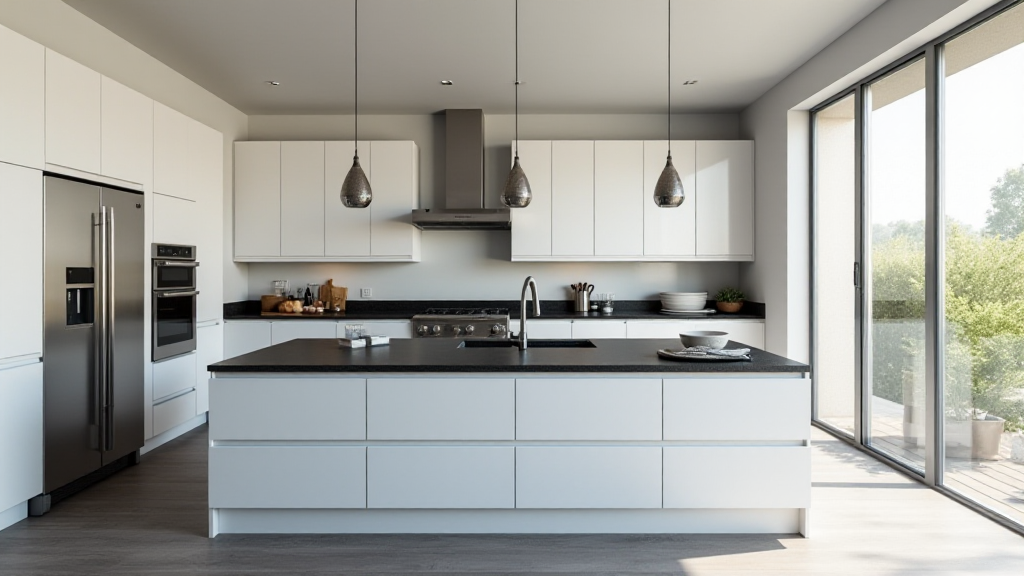
Sleek Modern Kitchen
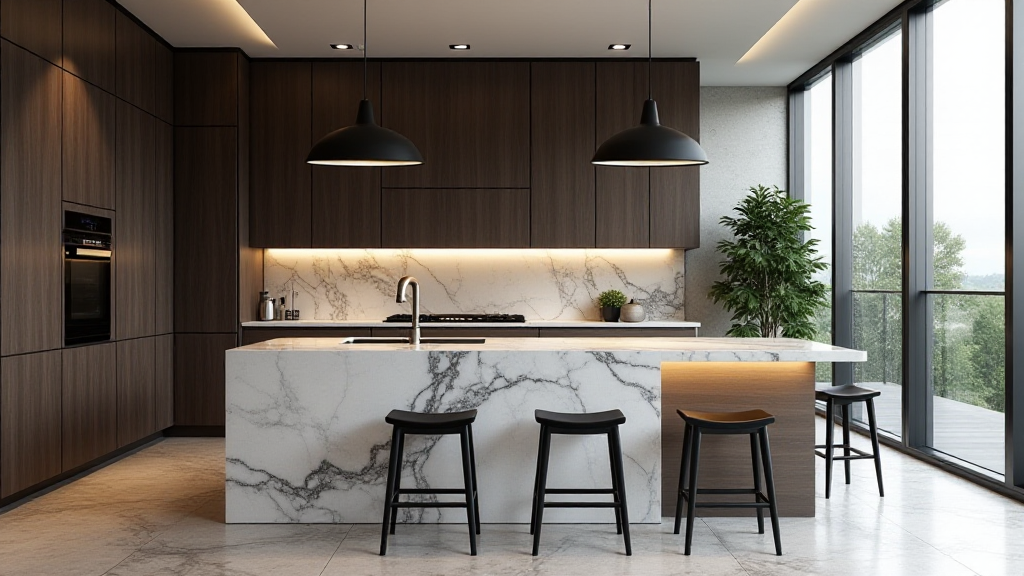
High-End Urban Kitchen
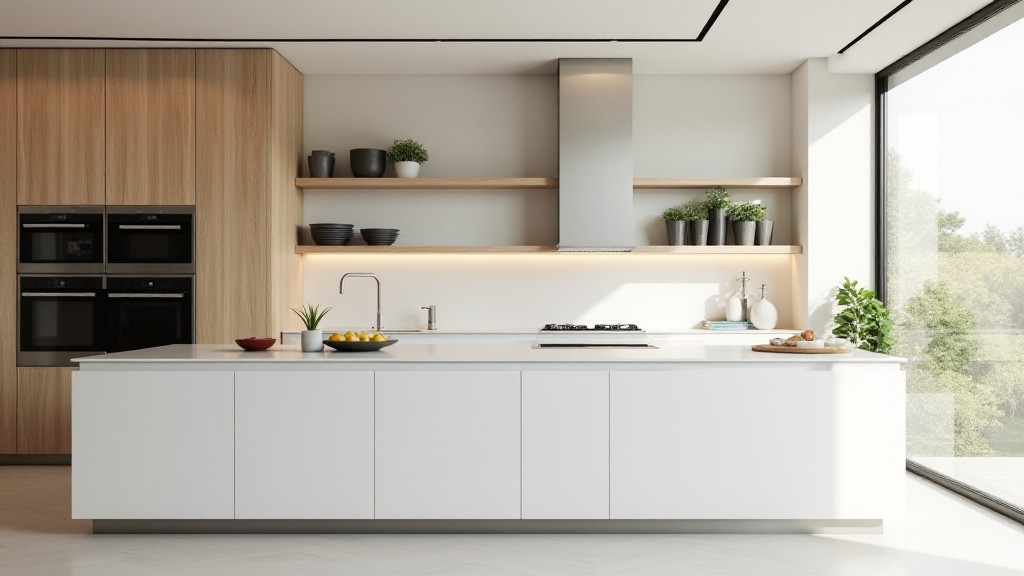
Scandinavian-Inspired Modern Kitchen
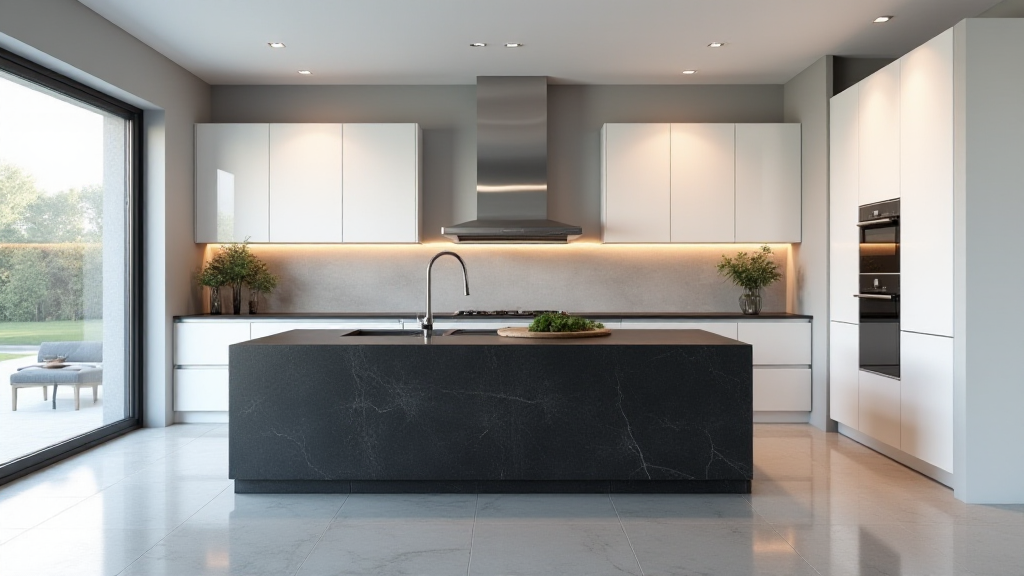
Minimalist Black & White Kitchen


