
Style Overview:
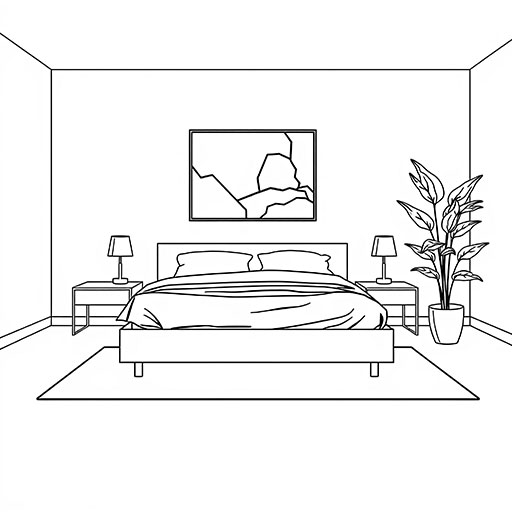
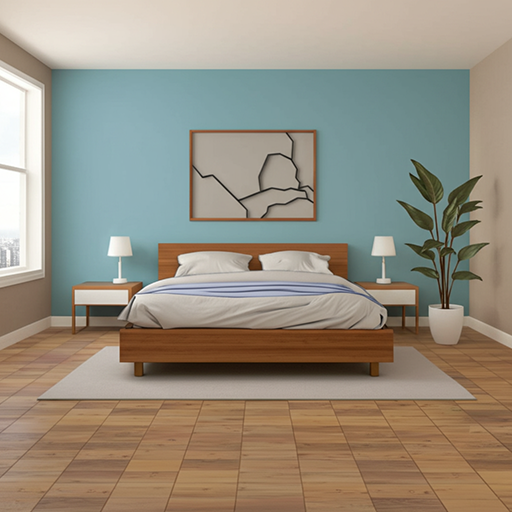
Minimalist bedrooms embody serenity, clarity, and simplicity. Stripping away clutter and excess, this design style focuses on clean lines, neutral palettes (especially white), and functional beauty. It’s not just about having less—it’s about making space for more peace, better rest, and visual calm. A minimalist bedroom typically features a low-profile bed, few decorative items, and thoughtful use of natural light.
Brief History:
Minimalism in interior design traces back to post-World War II movements, especially in Japan and Northern Europe. The Japanese concept of “Ma” (negative space) and the influence of Zen philosophy emphasized simplicity and mindfulness in everyday life. In the West, minimalist design gained popularity through the Bauhaus movement in the early 20th century, emphasizing function and form.
By the 1960s and 70s, minimalism was solidified as a design philosophy. Today, it remains a favorite among those seeking tranquility and order in their living environments.
Influential Designers & Influences:
-
John Pawson – Often considered the father of modern minimalist architecture and interiors. Explore John Pawson’s work
-
Terence Conran – Made minimalist design accessible to the public through functional, stylish furnishings. Read about Terence Conran
-
Cecilie Manz – A Danish designer known for creating simple, harmonious interiors with a modern Scandinavian touch. See Cecilie Manz’s philosophy
Design Elements:
-
A platform bed with clean lines and white bedding
-
White or soft neutral walls and curtains
-
Minimal artwork, often in monochrome or soft earth tones
-
Floating nightstands or low-profile side tables
-
Natural materials like wood, linen, or cotton
-
Strategic lighting like pendant lamps or recessed LEDs
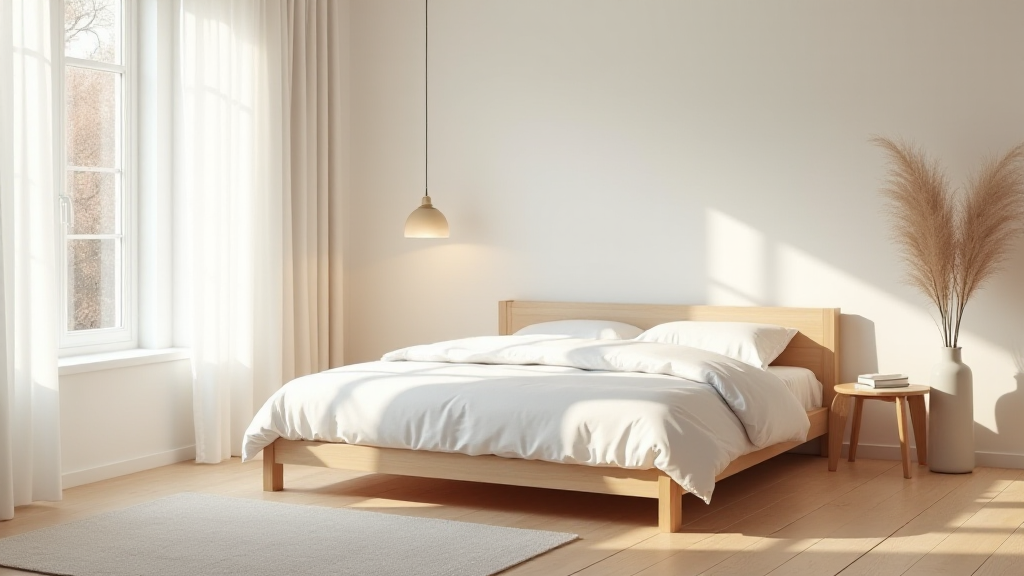
Scandinavian Minimalist Bedroom
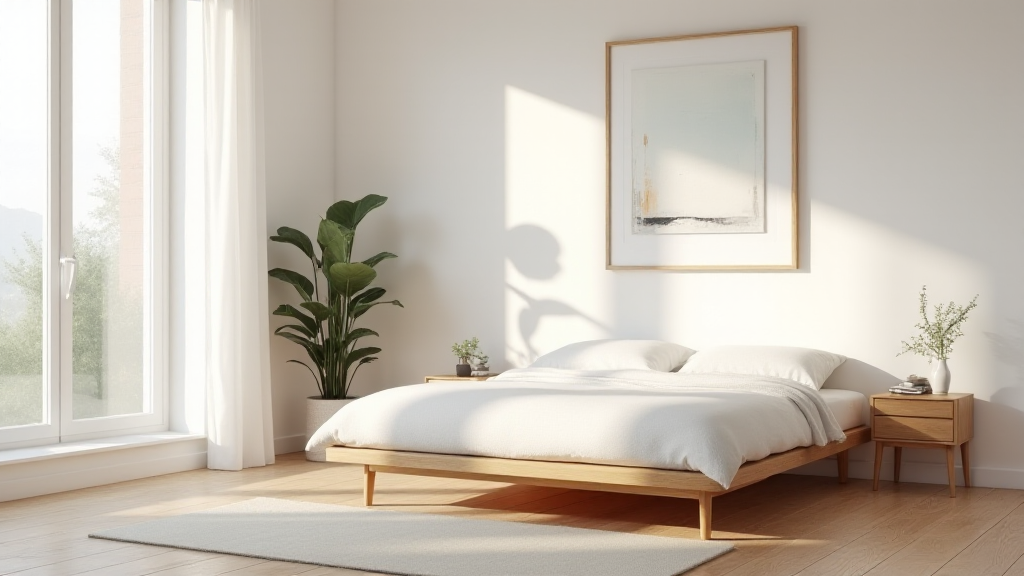
Japanese Zen Minimalist Bedroom
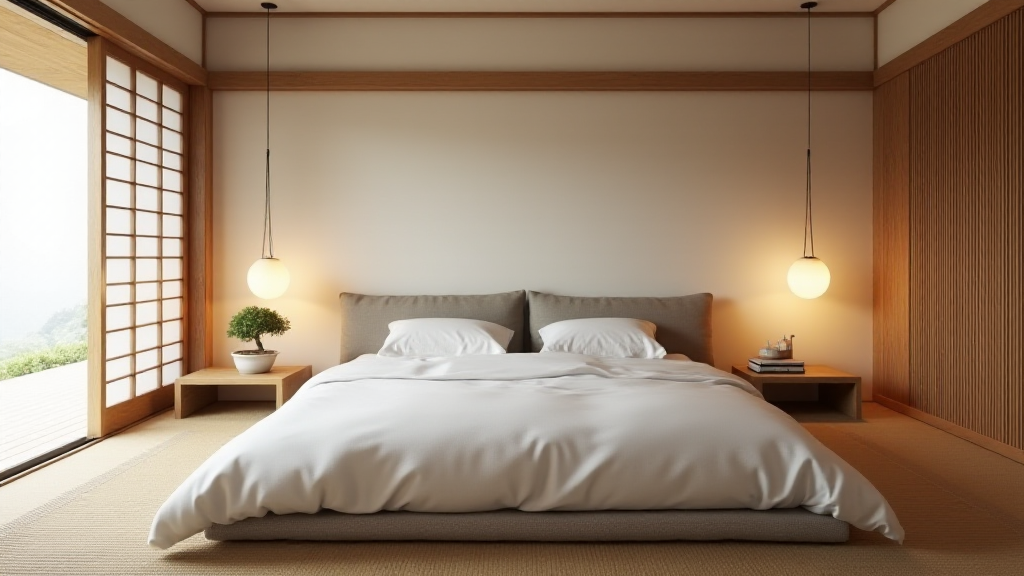
Monochrome Minimalist Bedroom
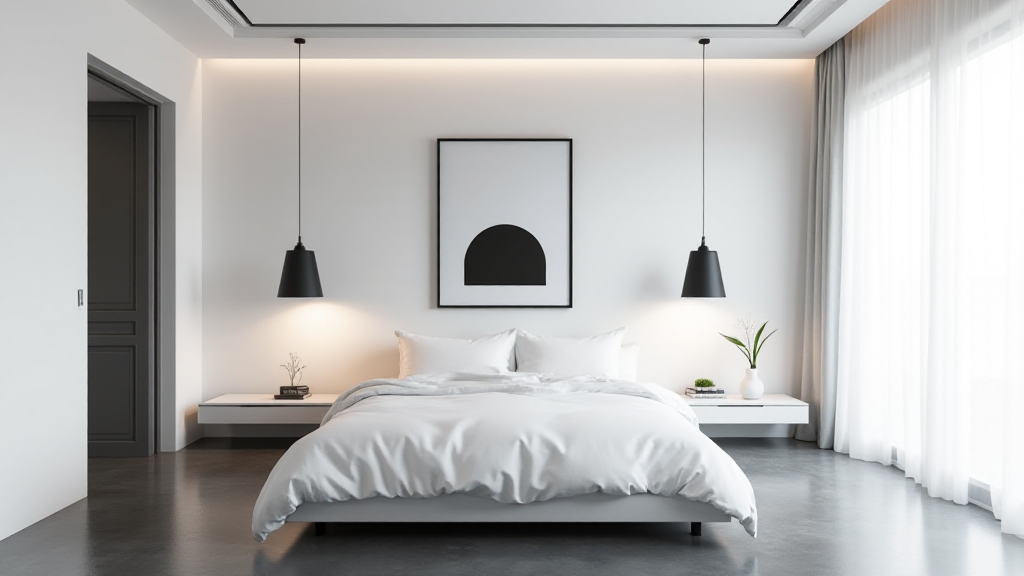
Minimalist Bedroom with Boho Accents


