
Style Overview:
A sanctuary of relaxation and elegance, this luxurious bathroom features a stunning freestanding tub as its focal point, set against a backdrop of rich marble accents. With gold or matte black fixtures, soft ambient lighting, and clean architectural lines, the space exudes spa-like tranquility. It’s a timeless blend of indulgence and simplicity—a perfect escape from daily stress.
Historical Context:
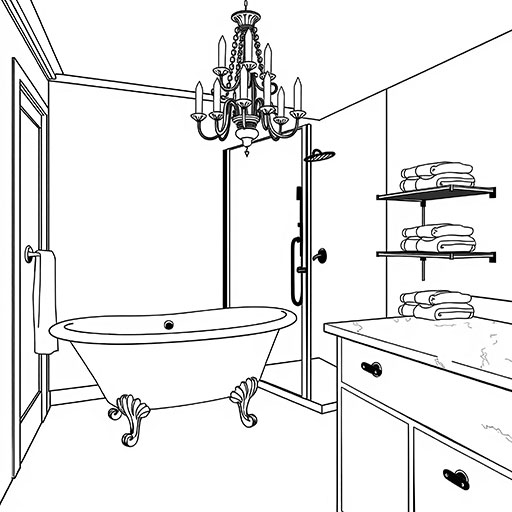
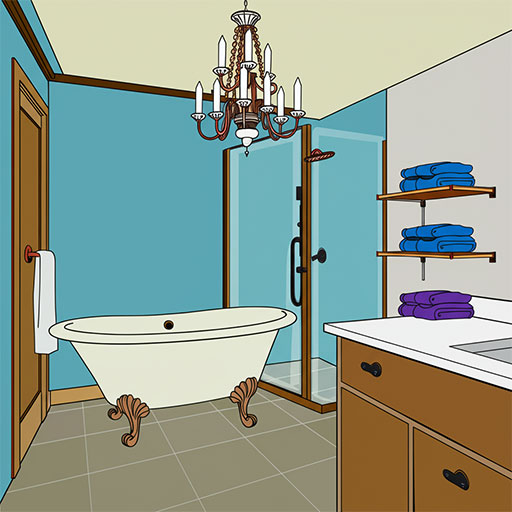
The freestanding tub has historic roots in Victorian England, where the clawfoot bathtub became a symbol of upper-class opulence. Over time, bathroom design has evolved from strictly functional to highly aesthetic. Today’s luxurious bathrooms draw inspiration from neoclassical interiors, Art Deco glamour, and modern minimalism, incorporating high-end materials like marble, natural stone, and brass.
With the rise of wellness-centered home design, the bathroom is now seen as a personal retreat—elegant, minimal, and deeply restorative.
Key Elements:
-
Freestanding Tub – A centerpiece, often sculptural, made of porcelain, stone resin, or acrylic.
-
Marble Surfaces – Marble tiles or countertops in shades of white, gray, or cream.
-
Soft Lighting – Wall sconces, pendant lighting, or hidden LEDs for a spa-like glow.
-
High-End Fixtures – Gold, brass, or matte black faucets and handles.
-
Natural Elements – Wooden stools, bamboo trays, or potted plants.
-
Neutral Palette – Whites, beiges, soft grays with occasional pops of gold.
Influential Designers:
-
Jean-Louis Deniot – Renowned for fusing classical architecture with contemporary luxury, including striking marble bathrooms.
-
Kelly Wearstler – Famous for her glamorous, marble-rich interiors and sculptural furnishings.
-
Barbara Barry – Known for soft, elegant, spa-inspired spaces and soothing palettes.
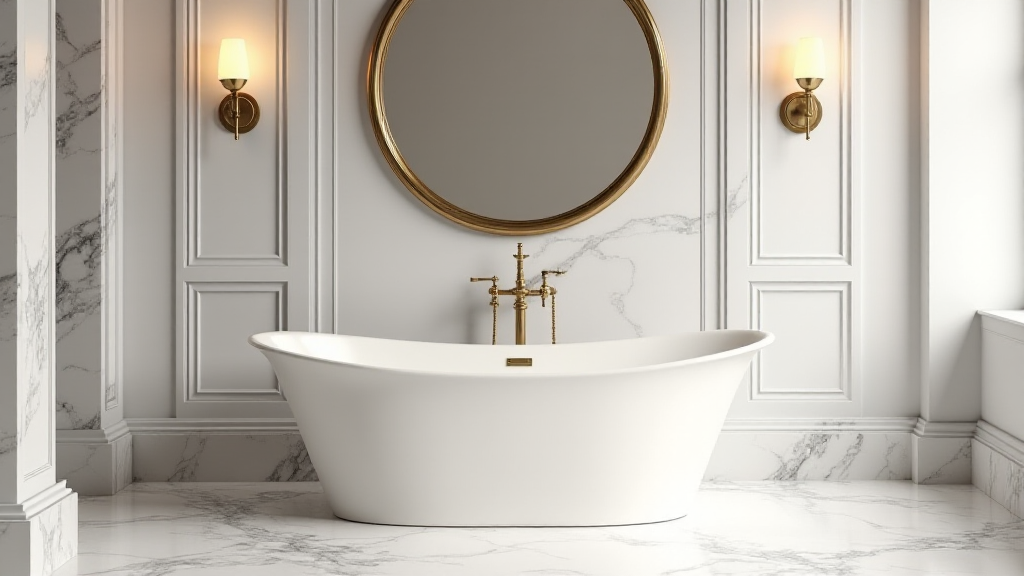
Marble Luxe Bathroom
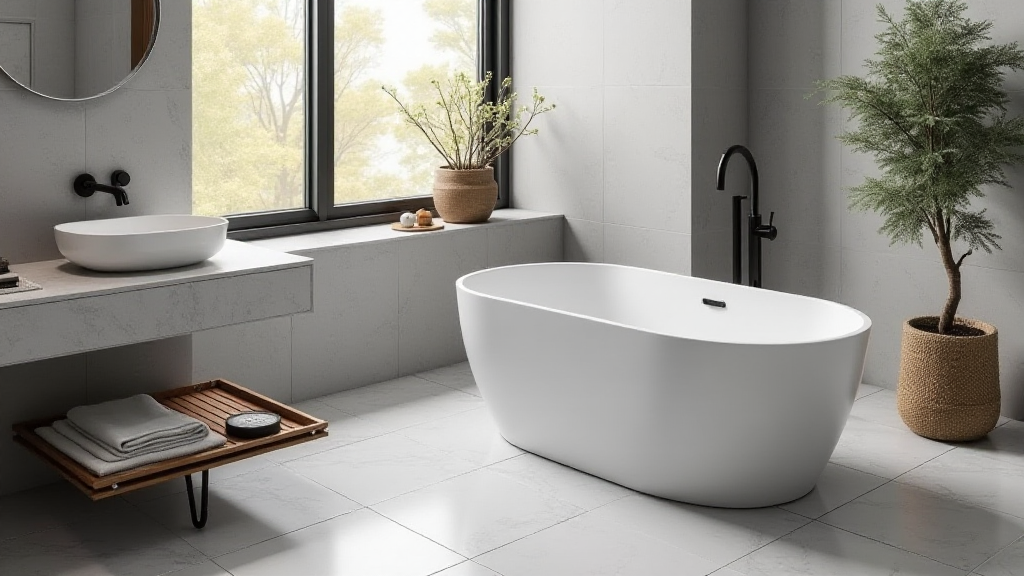
Modern Minimalist Spa
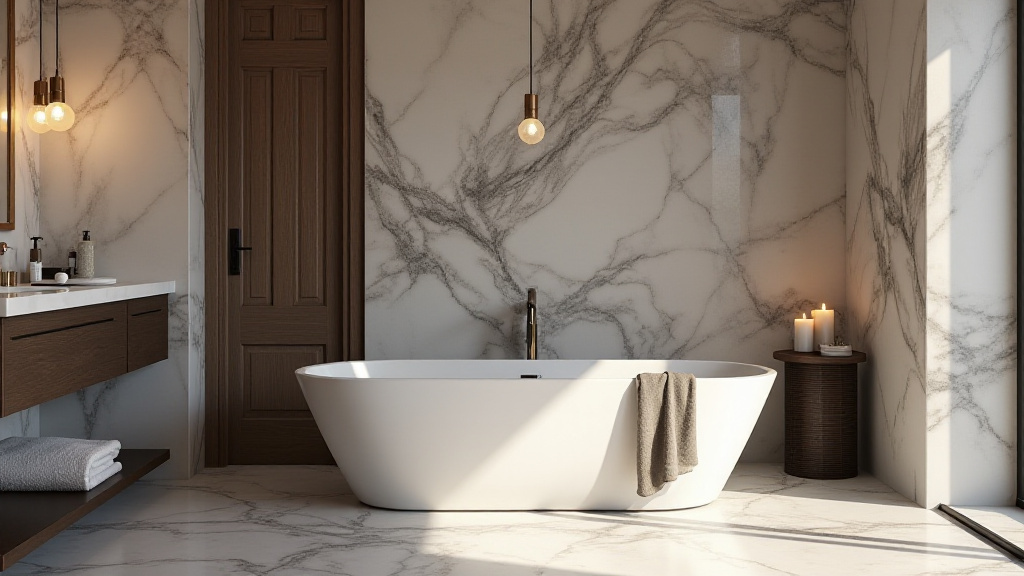
Boutique Hotel Bathroom
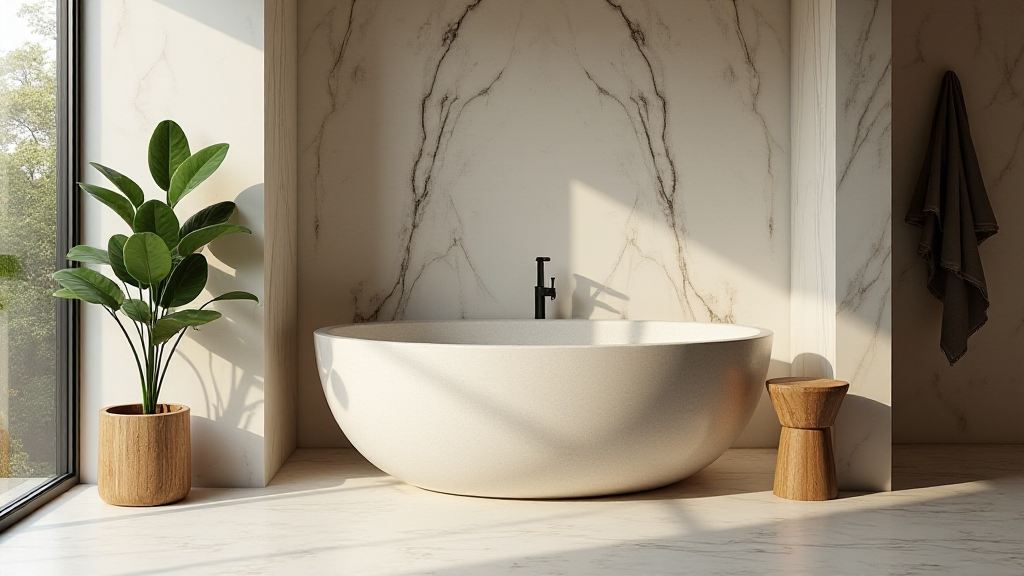
Nature-Inspired Retreat


