
Vietnam’s long and often turbulent history is the key to understanding its national character. With over a thousand years of Chinese rule, followed by French colonialism, and the devastating wars of the 20th century, the Vietnamese people have forged a spirit of fierce independence and incredible endurance. Yet, this strength is balanced by a gentle, poetic soul that is expressed in their art, their food, and their deep connection to family.
The Family That Spans Generations: Ancestor Veneration
At the very heart of Vietnamese spiritual life is the veneration of ancestors. While many people practice Buddhism, Taoism, or Confucianism, the most important spiritual practice for nearly every family takes place in the home. In a prominent place, you will find an ancestral altar, often adorned with photos of past relatives, incense burners, and offerings of fruit and flowers.
This is not just a place of remembrance; it is an active connection between the living and the dead. The family is seen as an eternal, unbroken line, and ancestors are believed to continue to guide, protect, and bless their living descendants. This practice reinforces the deep importance of family (gia đình) and filial piety, creating a powerful sense of belonging and continuity through time.
A Balance on the Plate: The Art of Vietnamese Food
Vietnamese cuisine is beloved around the world, and for good reason. It is a perfect reflection of the culture’s core philosophy: balance, freshness, and harmony. Every dish is a masterful blend of the five fundamental flavors: spicy, sour, bitter, salty, and sweet.
Unlike other cuisines that might rely on heavy oils, Vietnamese cooking celebrates the vibrant, clean taste of fresh ingredients, especially an abundance of fresh herbs like mint, cilantro, and basil. This creates food that is both incredibly flavorful and wonderfully light.
-
Phở: The famous beef or chicken noodle soup is the nation’s soul in a bowl, a complex broth simmered for hours and customized by each diner with herbs, lime, and chili.
-
Bánh Mì: A perfect example of cultural fusion, this is a crusty French baguette filled with Vietnamese flavors like savory grilled pork, pâté, pickled vegetables, and fresh cilantro.
-
Gỏi Cuốn: Fresh, healthy spring rolls packed with prawns, pork, herbs, and rice vermicelli, wrapped in translucent rice paper and served with a rich peanut dipping sauce.
This culinary art is a daily exercise in achieving perfect balance.
The Poetry of Form: The Áo Dài and Water Puppets
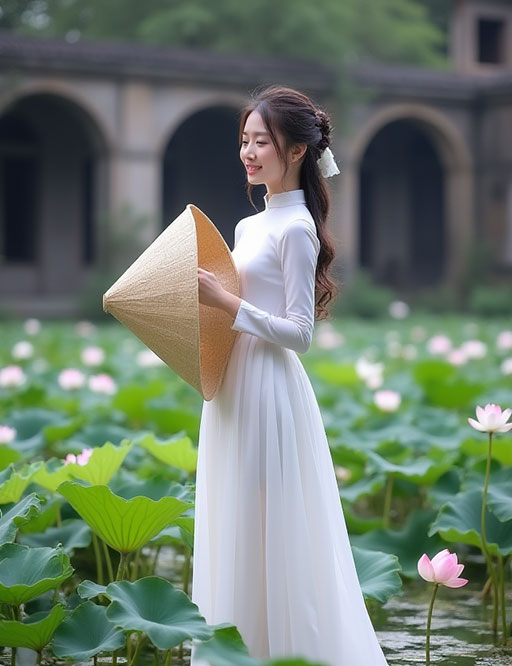
The elegance of the Vietnamese culture is perhaps best symbolized by the Áo Dài. This traditional garment, worn by women, is a long, form-fitting silk tunic with high slits on the sides, worn over wide-legged trousers. It is a costume of incredible grace and beauty, at once modest and alluring, that seems to float as the wearer moves. It is a powerful symbol of Vietnamese identity and femininity.
Another unique art form born from the landscape is water puppet theatre (Múa rối nước). This tradition originated centuries ago in the flooded rice paddies of the Red River Delta. Puppeteers stand waist-deep in water behind a screen and control wooden puppets using long bamboo rods hidden beneath the surface. The puppets appear to dance and glide magically on the water, telling stories of village life, ancient myths, and historical legends. It’s a whimsical and beautiful art form that is quintessentially Vietnamese.
The Vietnamese culture, with its deep roots, incredible history of resilience, and commitment to family and harmony, is a testament to the enduring power of the human spirit.


