
Style Overview:
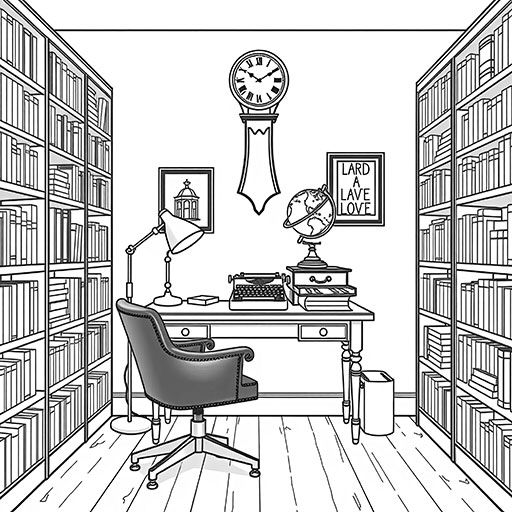
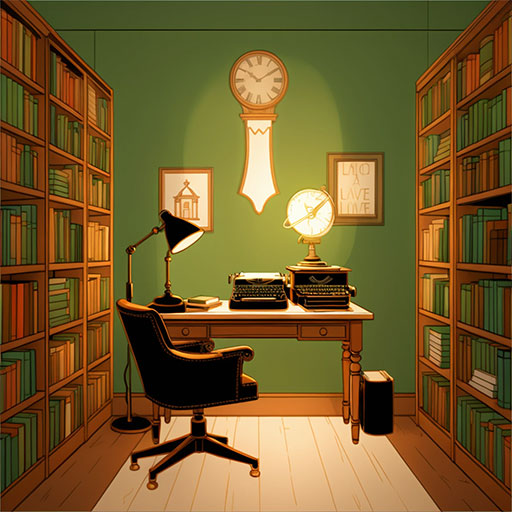
A vintage study exudes timeless charm with its rich wooden furniture, classic decor, and a quiet, scholarly atmosphere. Key features include a sturdy wooden desk, an old-fashioned typewriter, leather-bound books, and warm, ambient lighting. Decorative touches like antique globes, maps, old clocks, and patterned rugs help complete the nostalgic feeling, creating a space that feels like a step back in time to a more contemplative era.
Historical Context:
The traditional study or library was an essential part of upper-class homes from the 18th century onward, designed as a private retreat for work, reading, and reflection. As literacy rates rose in the 19th century, middle-class homes often included a study or small library space. Today, the vintage study style honors those historical roots, blending Victorian, Edwardian, or early 20th-century aesthetics with modern functionality.
Key Elements:
-
Rich Wood Furniture – Mahogany, walnut, or oak desks and shelves.
-
Vintage Typewriter – As both a decorative and symbolic centerpiece.
-
Leather Armchairs – Often tufted, adding a sense of formality.
-
Bookshelves Overflowing with Books – Preferably in aged or vintage condition.
-
Antique Accessories – Globes, brass lamps, quill pens, and framed historical prints.
-
Warm Lighting – Desk lamps, sconces, or fireplaces for a cozy, intimate glow.
Influential Designers:
-
Alexa Hampton – Known for her classic, traditional interiors that feel grand yet livable.
-
Thomas O’Brien – A master of blending vintage finds with modern sensibility.
-
Miles Redd – Brings an eclectic yet timeless twist to traditional design elements.
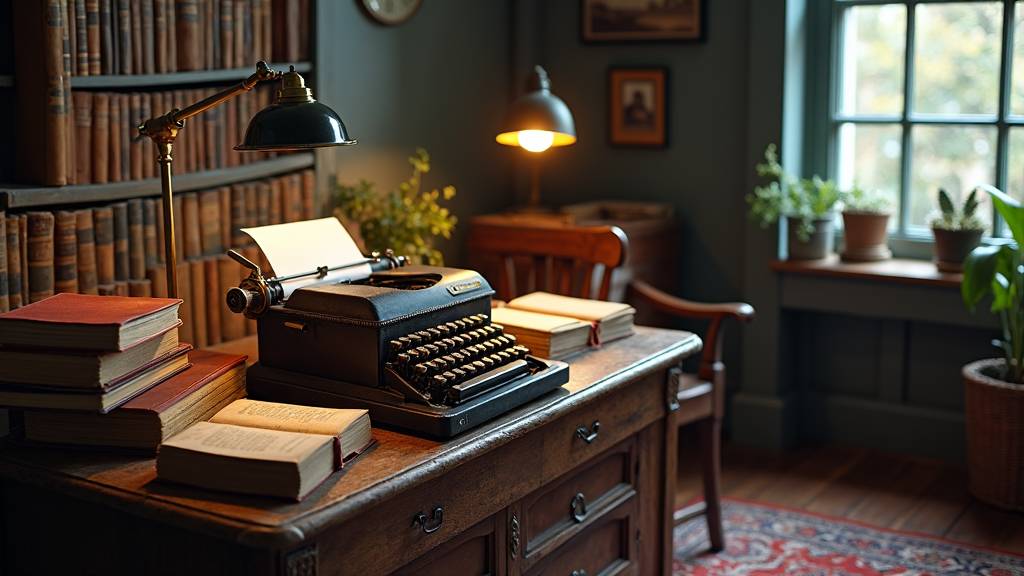
Nostalgic Writer’s Corner
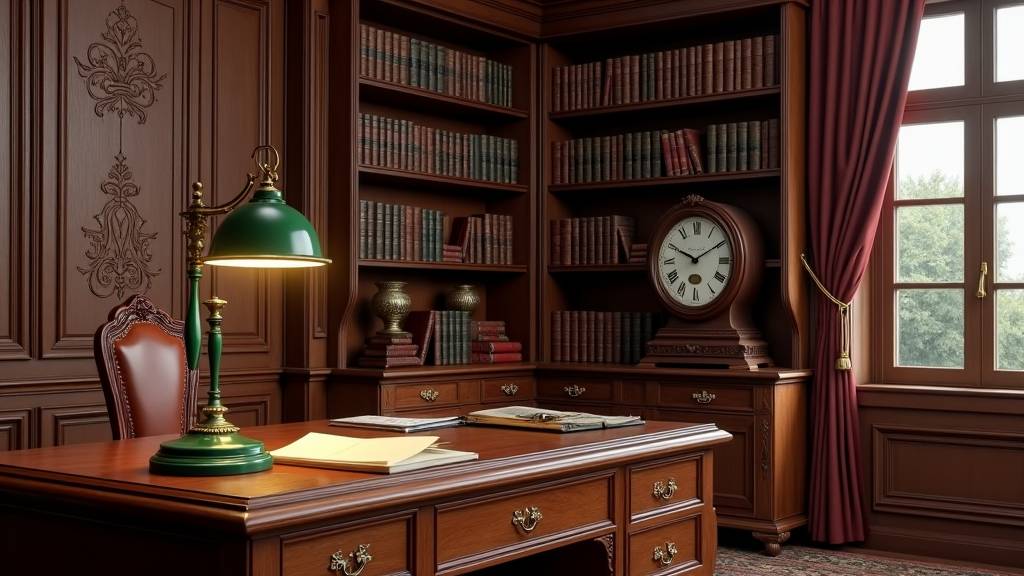
Timeless Gentleman’s Library
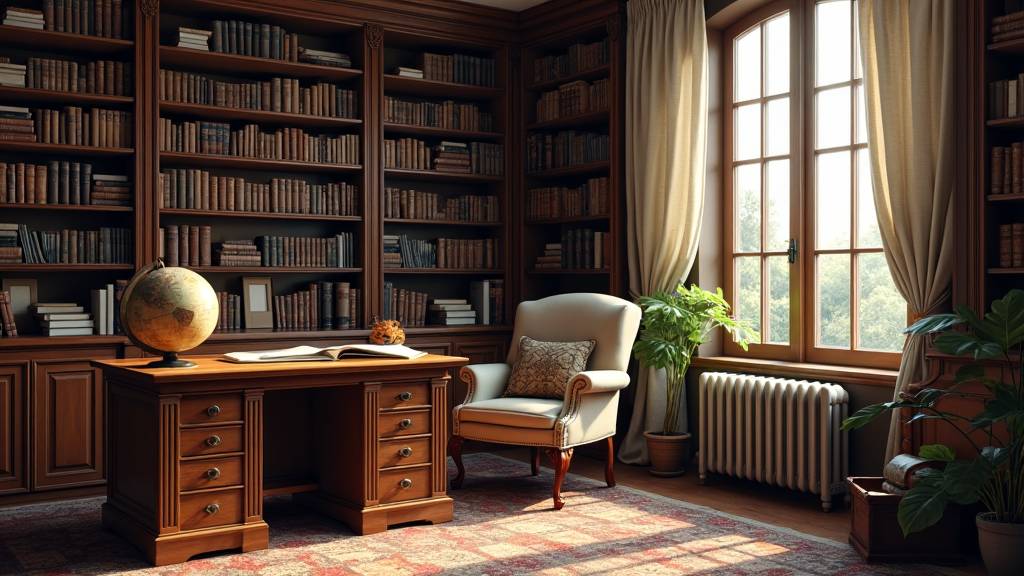
Scholar’s Retreat
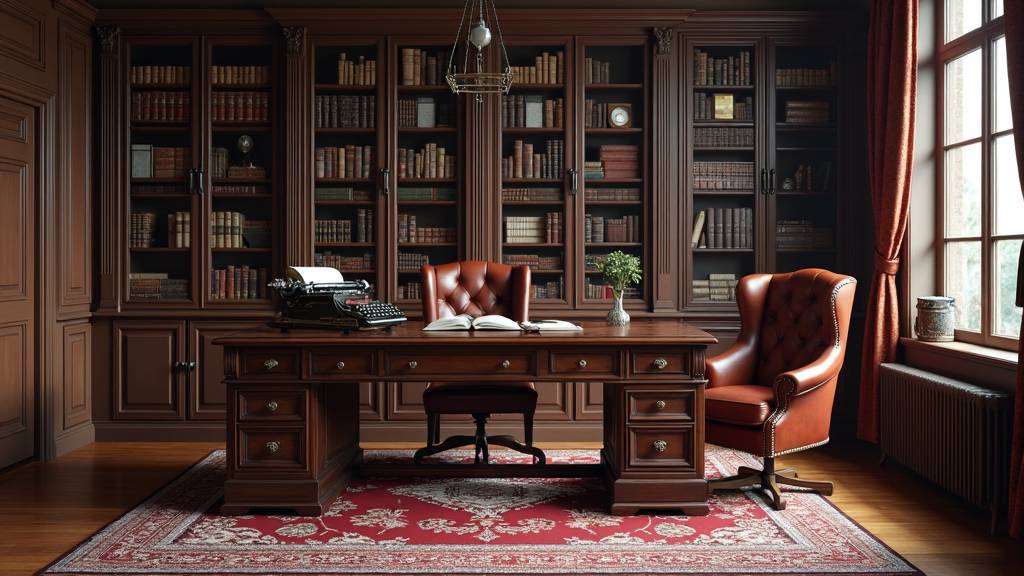
Classic Vintage Study


