
Style Overview:
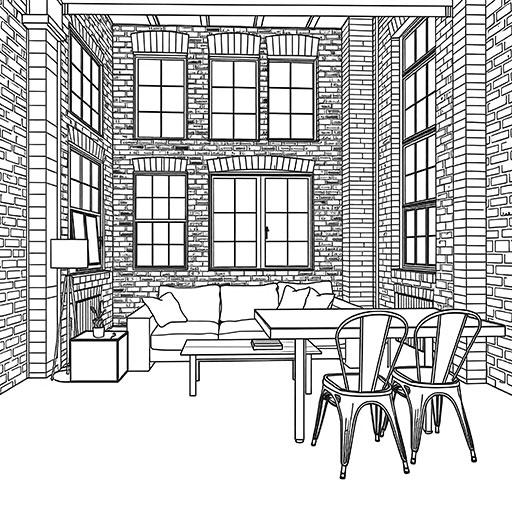
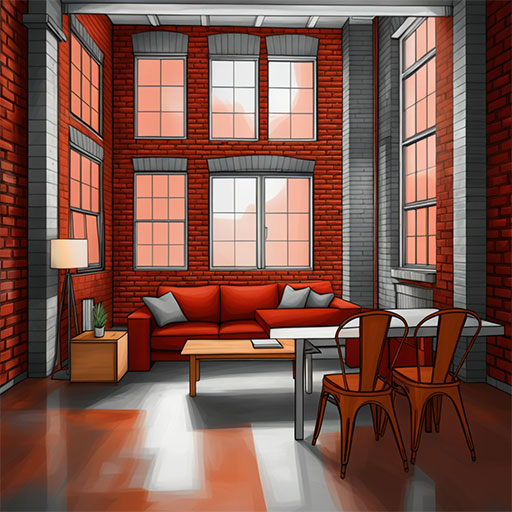
A spacious loft with exposed brick walls and industrial lighting blends raw architectural elements with urban sophistication. Open layouts, tall ceilings, visible ductwork, and metal-framed windows define the look. The furniture tends to be a mix of minimalist, mid-century modern, and reclaimed vintage pieces. Industrial lighting, like metal pendant lights or Edison bulb fixtures, completes the gritty, stylish atmosphere. It’s a style that celebrates openness, authenticity, and character.
Historical Context:
The industrial loft style emerged in 1940s and 50s New York City, when artists repurposed abandoned factories and warehouses into live-work spaces. These buildings, with their massive windows and utilitarian bones, became highly sought after. The 1970s and 80s brought a boom of loft living, particularly in neighborhoods like SoHo. Today, lofts are often newly constructed to mimic that authentic industrial feel, but original spaces remain prized for their true history and grit.
Key Elements:
-
Exposed Brick or Concrete Walls – Unfinished, weathered textures for authenticity.
-
Industrial Lighting Fixtures – Black metal, iron, or copper pendants and exposed bulbs.
-
Open Concept Layout – Few walls, large open spaces.
-
Raw Wood and Metal Materials – Furniture featuring reclaimed wood and steel.
-
Oversized Windows – Often with black frames and minimal treatments.
-
Neutral, Earthy Color Palette – Grays, browns, blacks, and metallics dominate.
Influential Designers:
-
Roman and Williams – Experts in industrial chic blending old and new materials seamlessly.
-
Loft Design by D’Giovanni – Specializes in urban industrial interiors that maximize open spaces.
-
Andrew Franz Architect – Known for his elegant modern loft restorations.
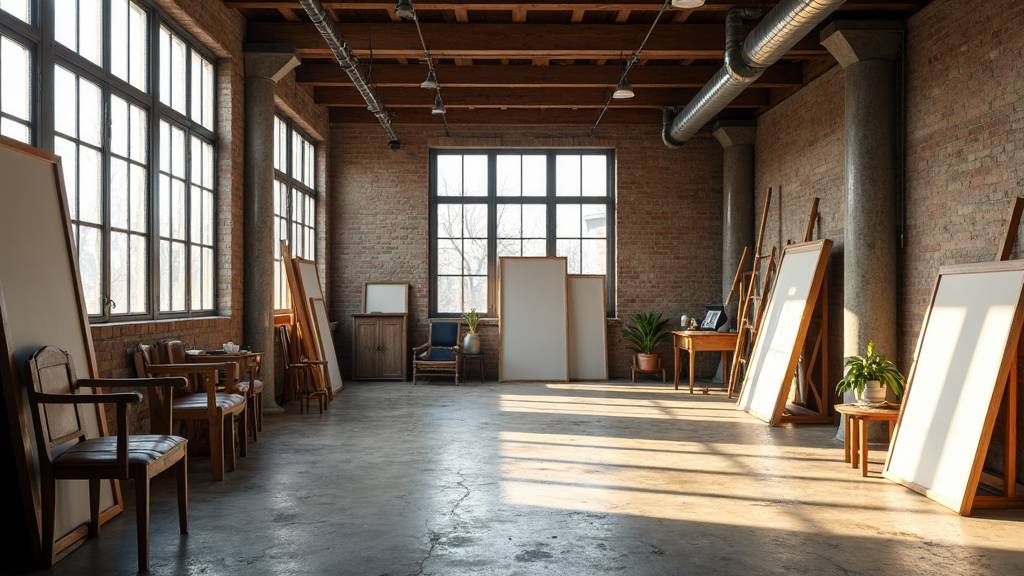
Artistic Loft Studio
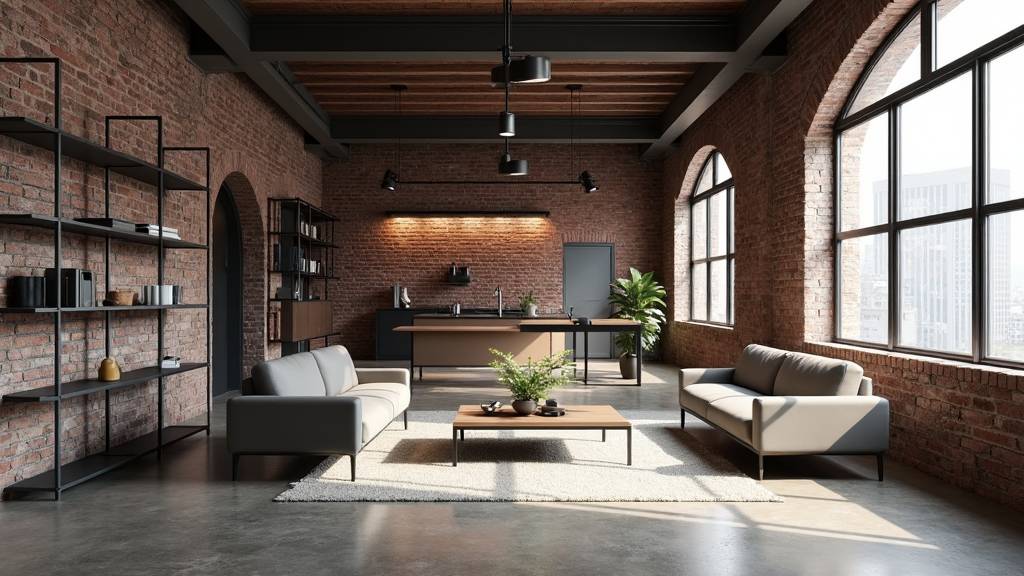
Minimalist Industrial Loft
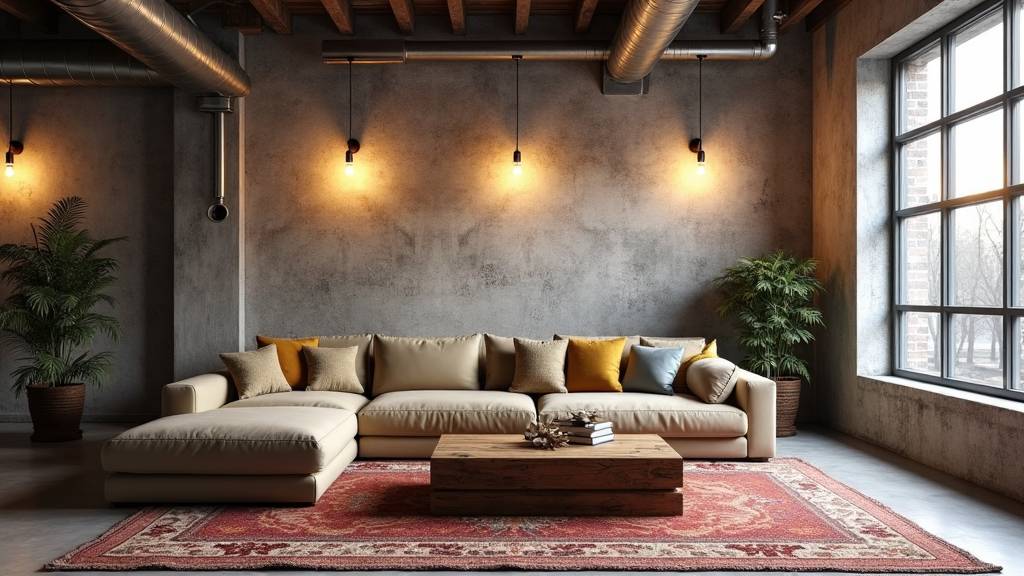
Cozy Industrial Living
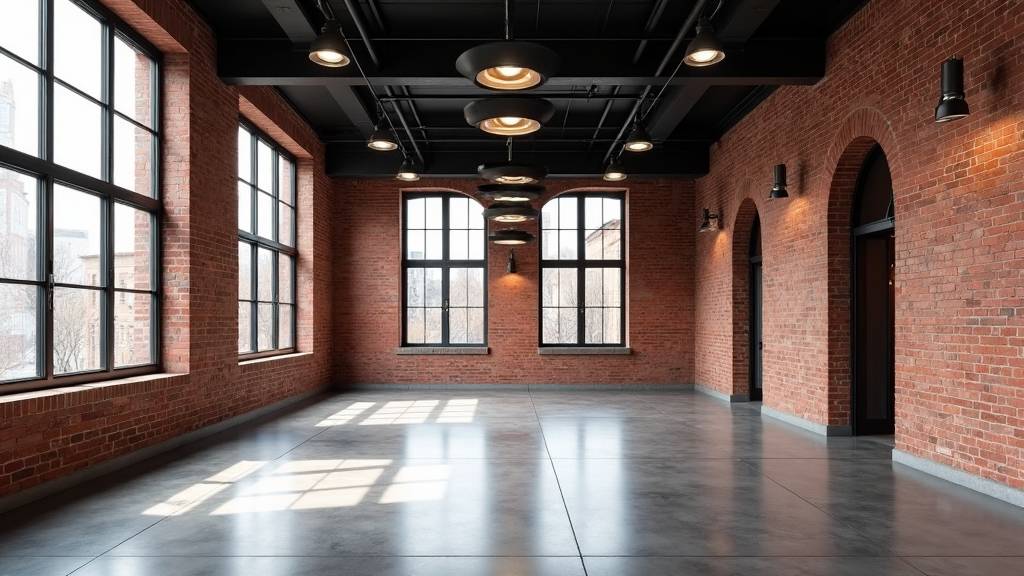
Raw Industrial Loft


