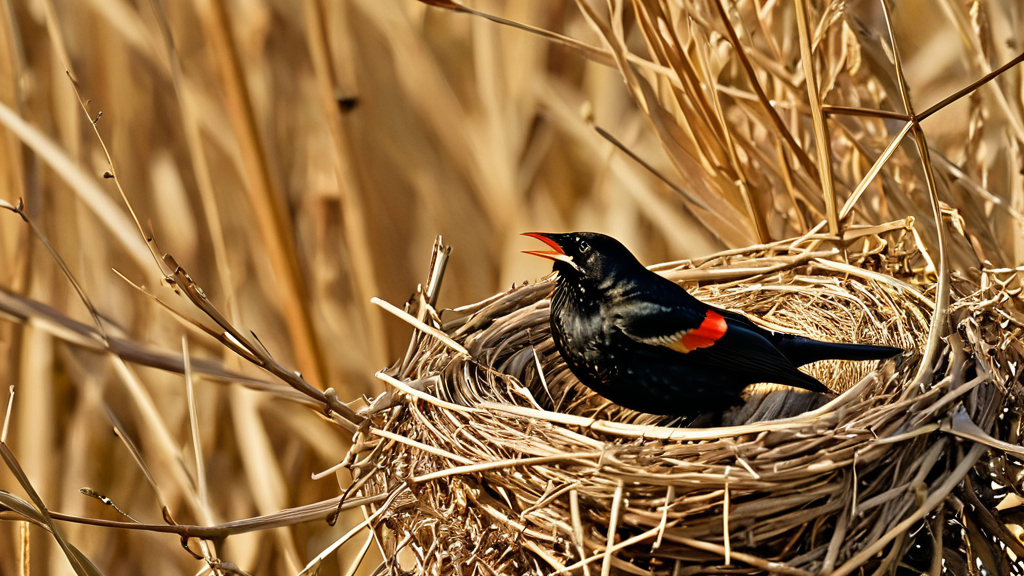
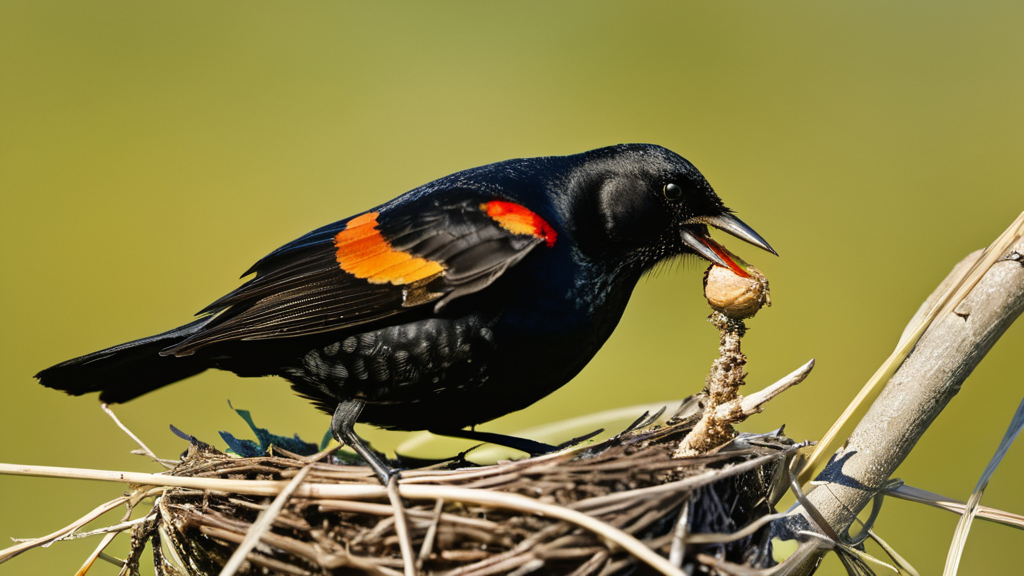
Red-winged blackbirds are among the most common bird species in North America, found in diverse habitats from open fields to urban areas. Their calls can be heard throughout much of the year but are particularly audible along roadsides, in gardens, and during early morning hours when they forage for insects.

The sounds made by red-winged blackbirds vary depending on the age and sex of the bird. Males produce a range of calls, varying in pitch, volume, and duration to communicate their status within the flock and attract mates. Females and young birds tend to sing softer, more muffled calls that are often used for playfulness or as softer signals.
Birds by the Score: Communication Through Calls

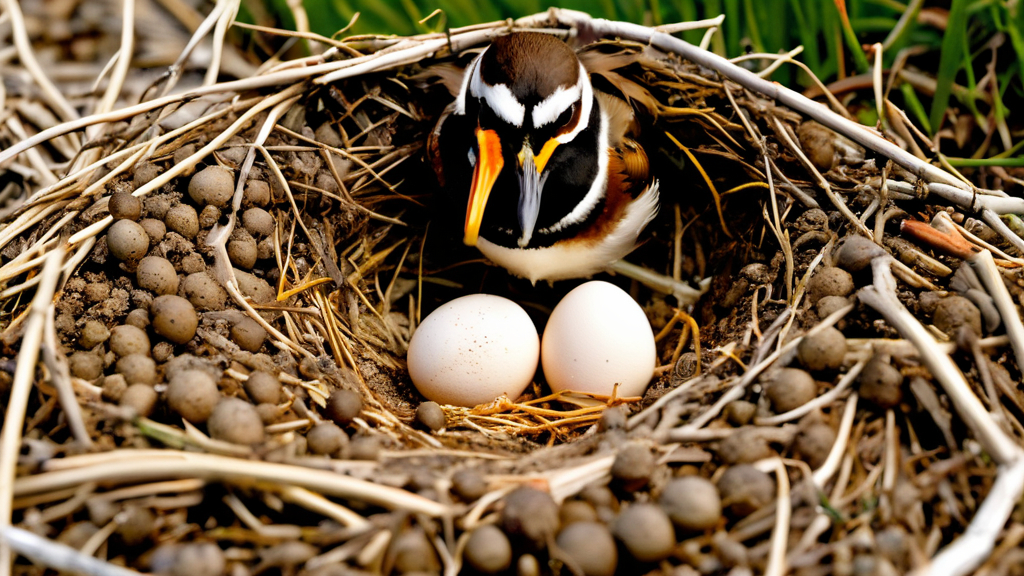
Killdeer are known for their loud calls. If you hear a sharp “kill-deer” sound, you’ve got a Killdeer nearby. These birds are not shy about making their presence known. Their distinctive call is often heard in open fields, along shores, and even in urban areas.

For birds, songs are a fundamental form of communication. Red-winged blackbirds use these melodic calls not only to court potential mates but also to maintain their territory and social bonds with neighboring birds. The fixed patterns of their songs serve as reliable signals, ensuring that each bird in the flock hears the same message.

Males compete for mates by broadcasting their calls across a wide area to increase their chances of attracting females. These calls are often accompanied by wing beats or “flapping” sounds, adding to the richness of their vocal repertoire. When young birds join the flock, they learn these calls from adults and peers, ensuring continuity in their social training.

Listening for Patterns: Listening to a Bird’s World

The songs of red-winged blackbirds are unique in that they follow fixed patterns rather than improvising. This structure allows each bird to recognize its neighbors and distinguish itself within the flock. The complexity increases with age as birds refine their calls, making them more distinct and polished.

Birds often use song to mark territory or assert dominance. Red-winged blackbirds sing while foraging or perched on branches, using these songs to communicate their presence to others in the area. It’s a simple yet effective method of ensuring personal space and territorial integrity.

Where Are These Sounds Typically Heard?

The calls of red-winged blackbirds can be heard across much of North America during spring and summer months when they are most active foraging. They are particularly audible along roadsides, where they often roost or feed in open areas exposed to the elements. Early morning is a common time for hearing these birds as they emerge from dense foliage to begin their day.
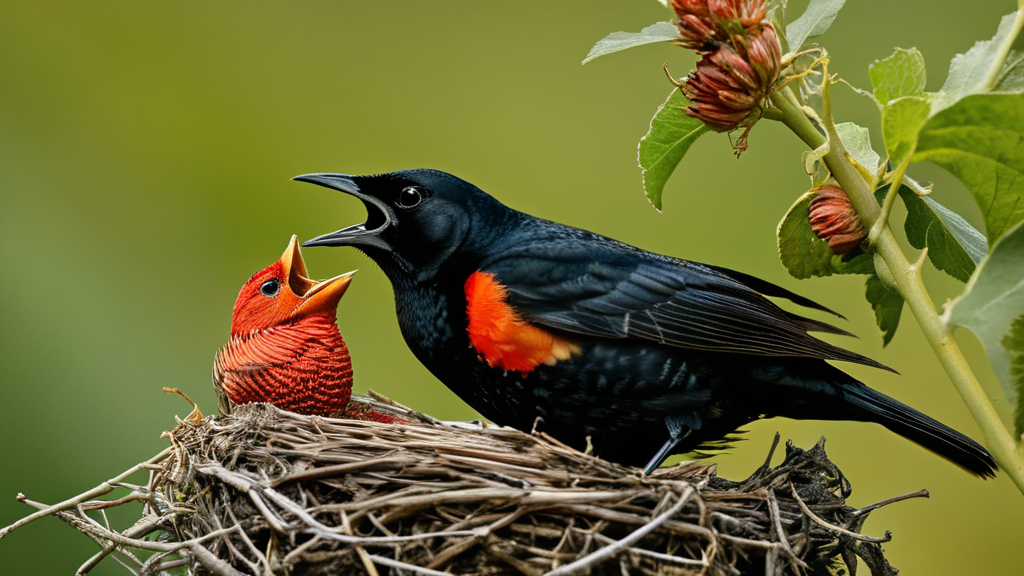
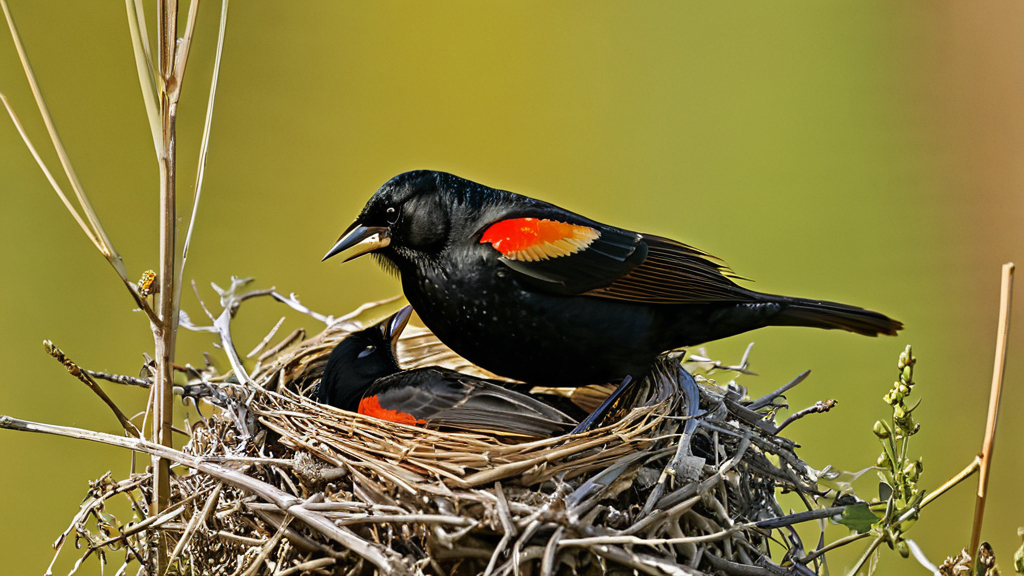
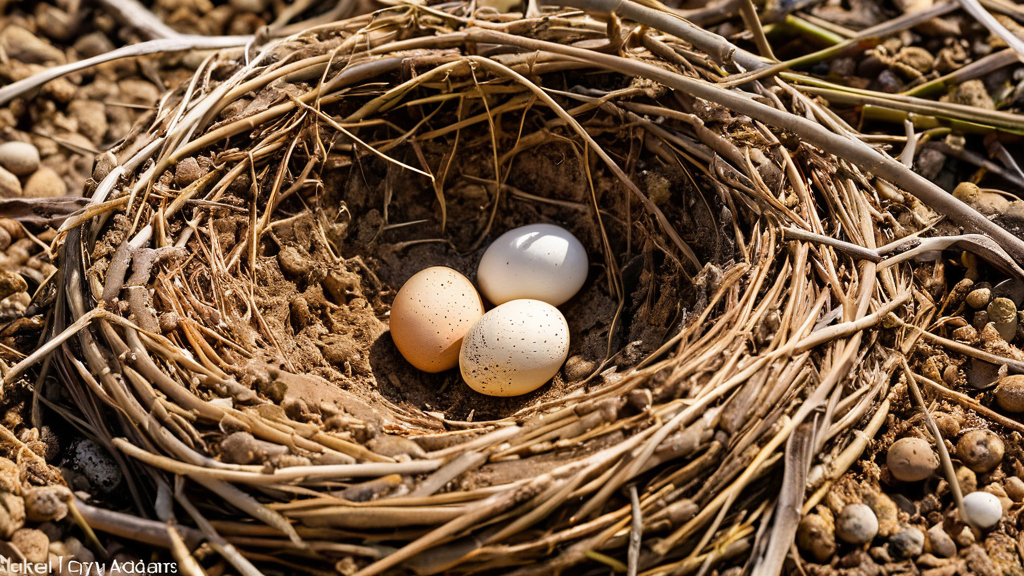
The Red-Winged Blackbird, a common bird in North America, exhibits several nesting habits that reflect its ecological and behavioral needs:

  1. Nesting Locations:

    • Red-winged blackbirds primarily construct nests within the hollows of tree branches. These structures provide protection from environmental factors such as wind, rain, and predators.
  2. Multiple Nests:

    • They may build multiple nests within a single tree to facilitate the raising of several young birds, enhancing their chances of survival by spreading the workload among adult team members.
  3. Nesting Timing:

    • Nest-building typically begins before egg-laying in the spring, as food becomes available and parents start preparing for the breeding season.
  4. Protection Strategies:

    • Nests are constructed using materials like twigs to deter predators. Adults may guard nests during daylight hours or migrate away at night for added safety.
  5. Social Nesting:

    • Red-winged blackbirds often engage in social nesting, with multiple adult birds contributing to nest construction. This teamwork increases the likelihood of successfully raising offspring.
  6. Weather Considerations:

    • Nest-building may adapt to weather conditions; for example, during heavy rainfall, parents might adjust their strategies to protect eggs and young birds.
  7. ** exclusive Nesting**:

    • Red-winged blackbirds do not typically share nests with other bird species, maintaining a degree of exclusivity in their nesting behavior.

These habits are shaped by the bird’s ecological requirements, social structure, and need for protection during the breeding season. Further research could provide additional insights into specific behaviors or preferences among red-winged blackbirds.

Adaptable Eaters

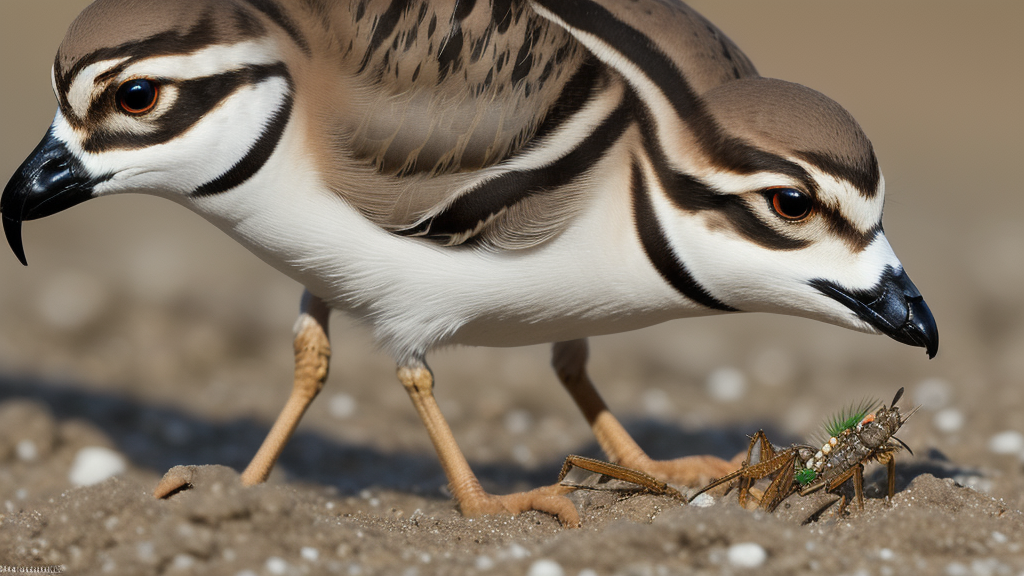
When it comes to food, Killdeer aren’t too picky. They enjoy a diet of insects, crustaceans, and other invertebrates. You’ll often see them darting around fields and shores, quickly pecking at the ground to catch their next meal. Their long legs make them fast and agile hunters.

Conclusion: Birds Are Listeners Too

While red-winged blackbirds may seem solitary, they are part of a complex web of communication that ensures their survival and success within their social groups. Their melodic calls are not just sounds to be enjoyed but meaningful interactions that reflect the intricate lives of these birds.

By taking the time to listen, observe, and appreciate the world of red-winged blackbirds, we add depth to our understanding of this fascinating species—and others like them. Just as their songs help them connect with one another, they play a vital role in maintaining balance within their ecosystems.

In closing, it’s clear that red-winged blackbirds are far from just “passenger birds.” Their rich repertoire of calls reflects the complexity and social dynamics of their lives. Whether you’re bird-watching or simply enjoying the natural sounds around you, these calls remind us of the intricate web of life that sustains all creatures on Earth.

By incorporating this knowledge into our appreciation of nature, we honor the mystery and wonder of avian communication—and perhaps even learn a thing or two about the birds that call us home.

Pinterest
Instagram