
Desert Tarantula: The Furry Desert Dweller
Hey there, desert explorers! Today, we’re diving into the world of the desert tarantula. Yup, you heard that right, those big, furry spiders that might send shivers down your spine but are actually super fascinating. Ready to learn more about these cool critters and why they deserve a spot in our {Desert Animals of the USA} series? Let’s get started!
Habitat: Where the Wild Spiders Roam
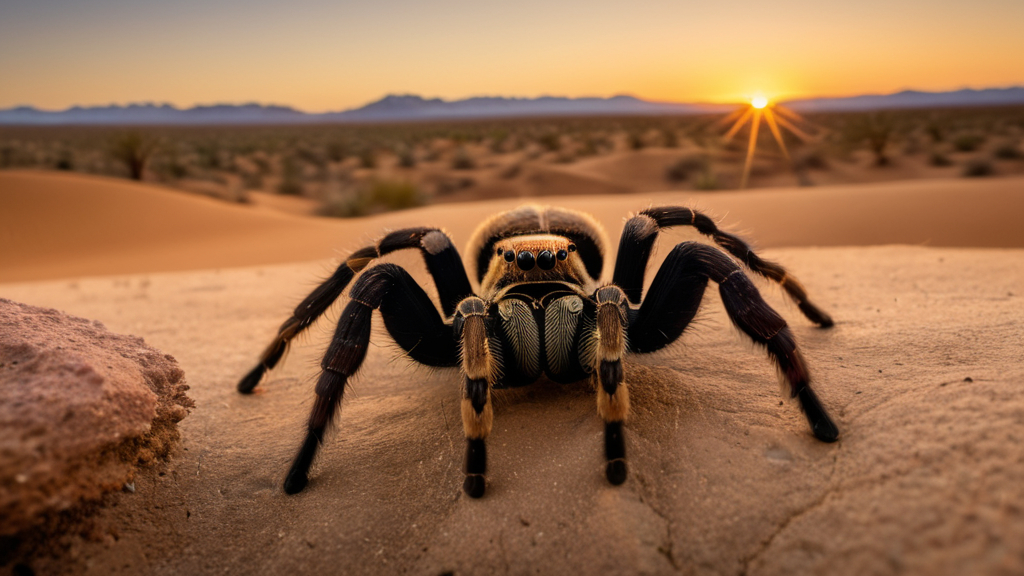
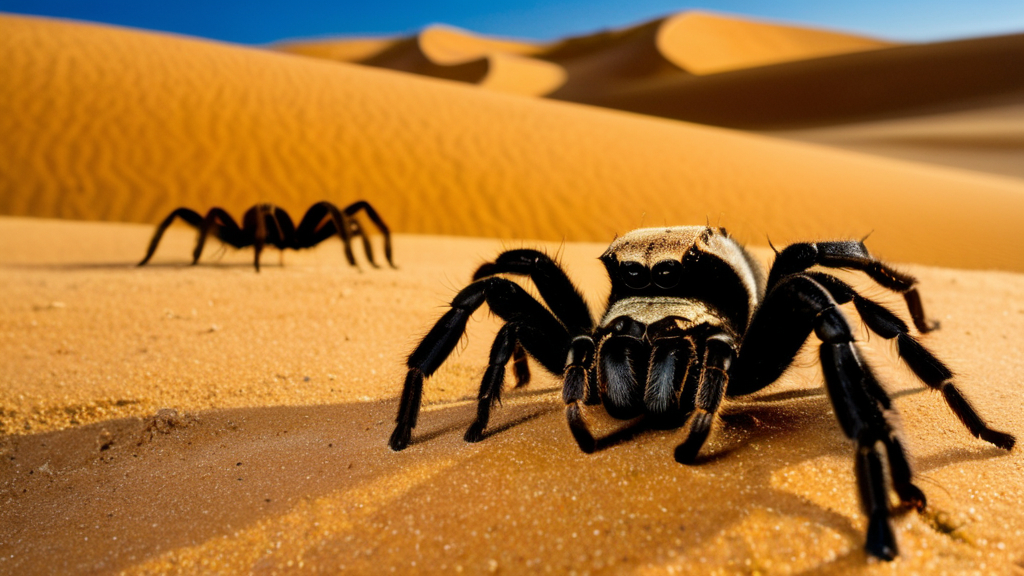
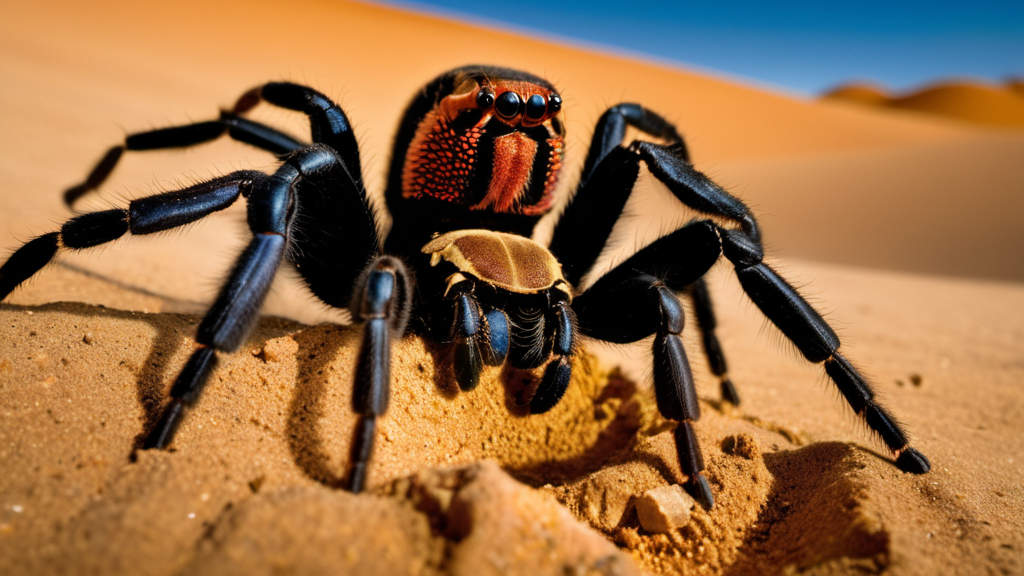
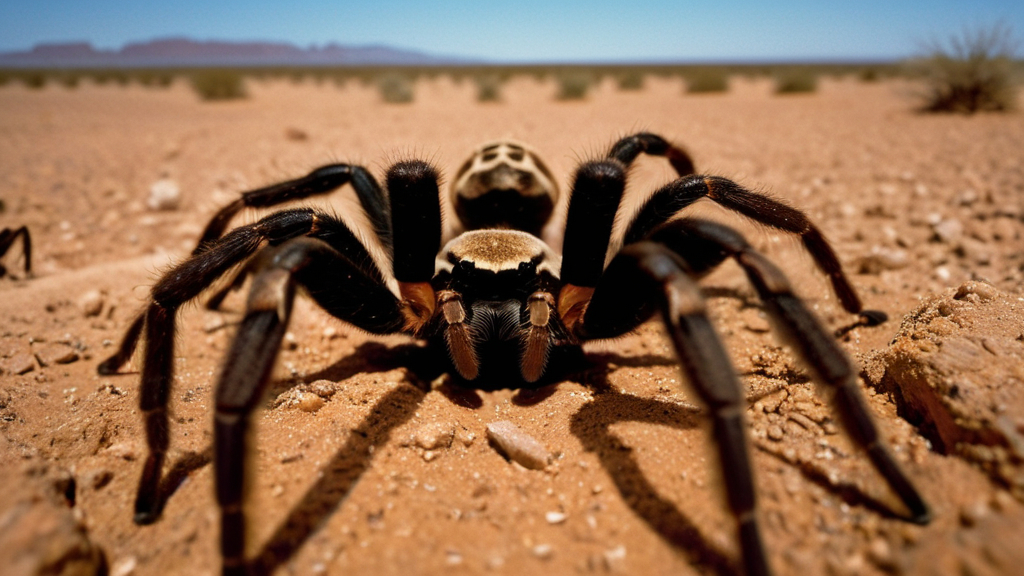
Desert tarantulas are the rockstars of the arid regions. You’ll find these eight-legged wonders hanging out in the deserts of the southwestern USA. Think places like Arizona, California, and Nevada. They dig burrows in the sandy soil to stay cool during the blazing hot days and come out to hunt when the temperature drops. These burrows are their safe havens, and they even line them with silk to make them extra cozy.
Diet: What’s for Dinner?
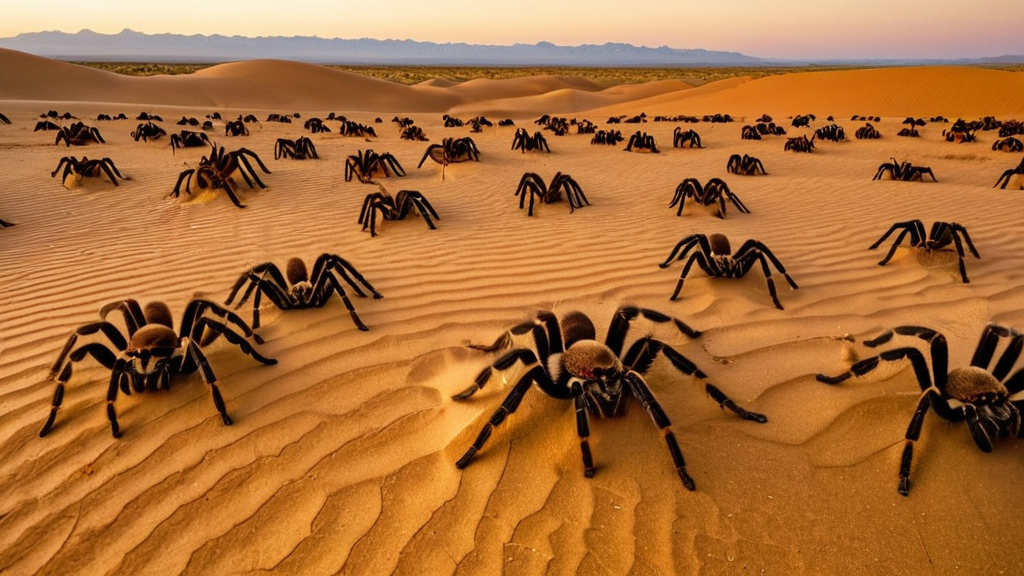
So, what does a desert tarantula snack on? These guys aren’t too picky. They’re opportunistic hunters, feasting on insects, small lizards, and even other spiders. Imagine a buffet of crickets, beetles, and the occasional scorpion. They use their powerful fangs to inject venom into their prey, liquefying it from the inside. Sounds gross, but hey, that’s nature for you!
Characteristics: What Makes Them Unique?
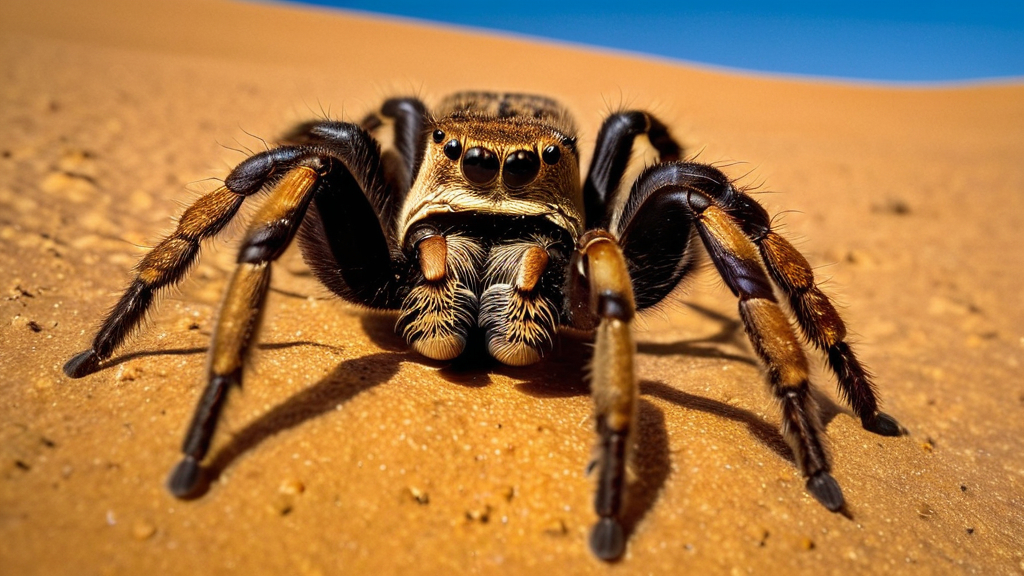
Now, let’s talk looks. Desert tarantulas are pretty big, with leg spans reaching up to 5 inches. Their bodies are covered in hairs that help them sense vibrations in their environment. And those fangs? Yep, they’re intimidating but essential for survival. Despite their fearsome appearance, tarantulas are relatively docile and rarely bite humans unless provoked.
Fun Facts:
- Silk Spinners: They use silk not just for burrow lining but also for egg sacs and molting mats.
- Long Lifespan: Female tarantulas can live up to 25 years, while males usually make it to around 10.
- Nocturnal: These spiders are night owls, preferring to hunt under the cover of darkness.
Why They’re Important
Desert tarantulas play a crucial role in their ecosystem. By controlling insect populations, they help maintain balance in their habitat. Plus, they’re a food source for larger predators like birds and mammals. So next time you see one, remember they’re doing their part to keep the desert ecosystem in check.
Conclusion
Whether you’re a spider enthusiast or just curious about desert wildlife, the desert tarantula is a fascinating creature worth learning about. Grab your {Desert Animals of the USA} coloring book and bring these incredible spiders to life with your creativity. And who knows? You might just find a new appreciation for these misunderstood desert dwellers.


