
Desert Grassland Whiptail Lizard: A Colorful Sprinter
Hey there, desert animal enthusiasts! Today, we’re diving into the world of the Desert Grassland Whiptail Lizard. This little guy’s got speed, style, and a knack for surviving in some of the toughest places around. So, grab your {Desert Animals of the USA} coloring book and let’s get to know this fascinating reptile a bit better!
Who is the Desert Grassland Whiptail Lizard?
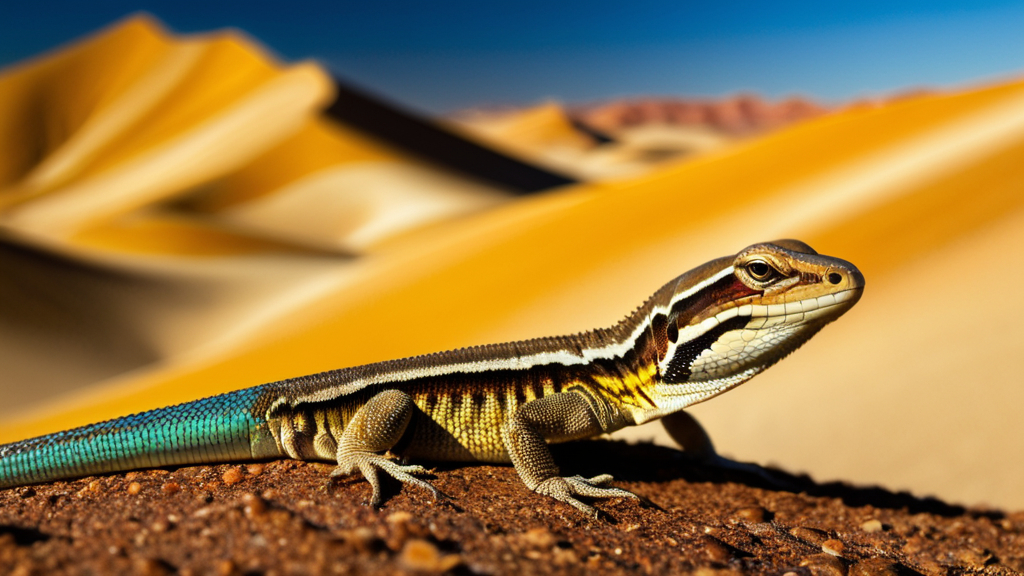
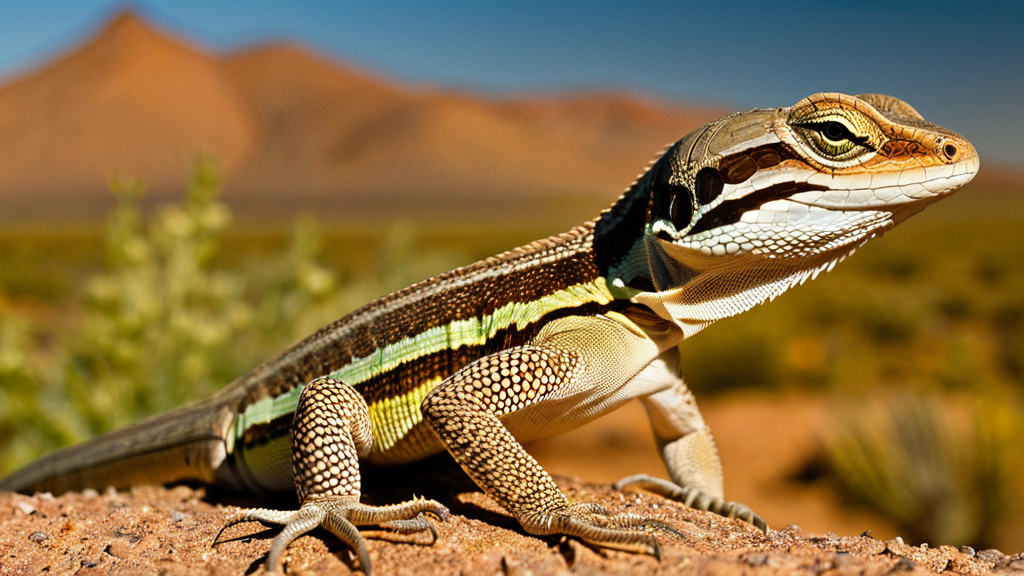
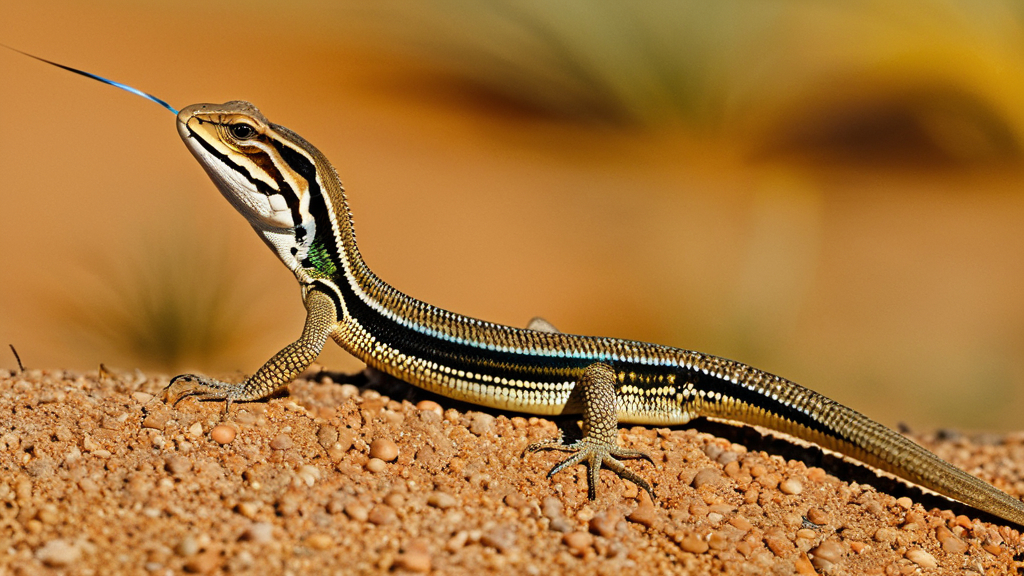
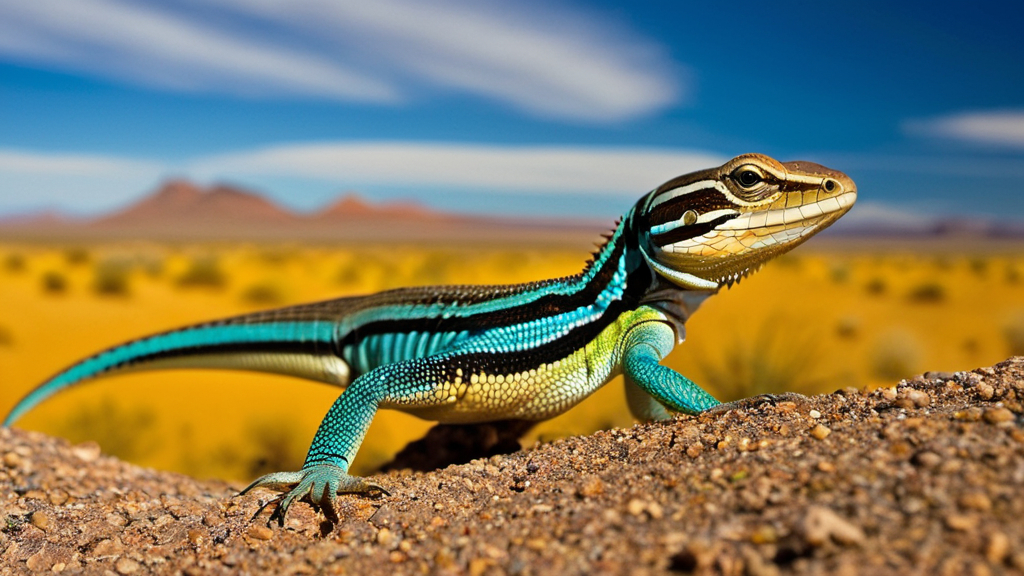
Alright, picture this. You’re in the sunbaked desert, and a sleek, speedy lizard darts across your path. That’s our buddy, the Desert Grassland Whiptail Lizard. These lizards are small, slender, and built for speed. They’ve got long tails and vibrant patterns that make them stand out. Perfect for coloring, right?
Habitat: Where They Call Home
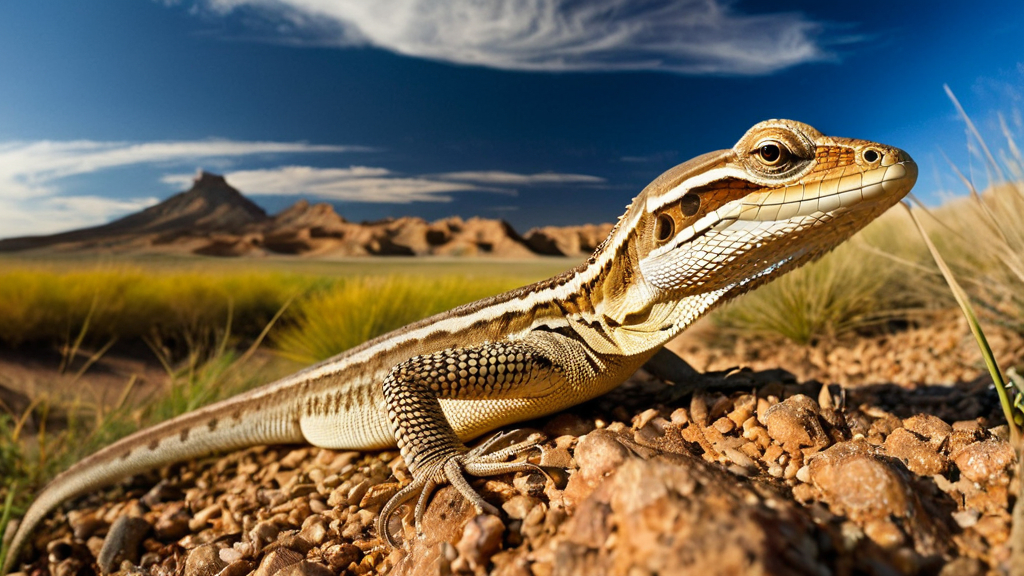
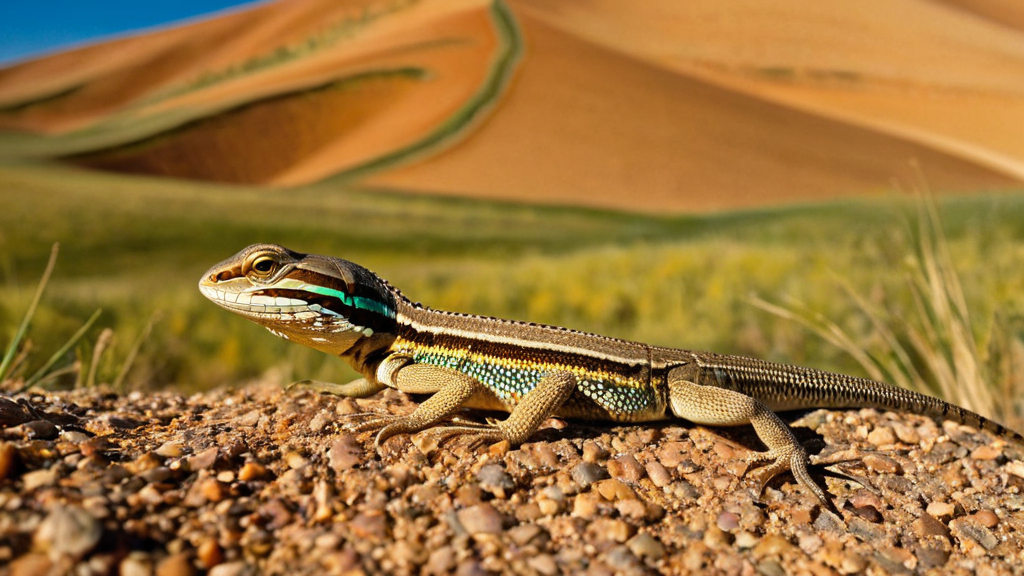
The desert grassland whiptail lizard hangs out in, you guessed it, desert grasslands. These lizards love areas with loose, sandy soil and sparse vegetation. They’re common in places like the southwestern United States, where they can be found basking in the sun or darting between bushes.
What’s on the Menu?
These lizards are insectivores, which means their diet consists mostly of bugs. Think ants, spiders, and beetles. Yum! Their fast, agile movements help them catch their prey with ease. And believe me, they’re quick – blink, and you might miss ’em!
Characteristics: What Makes Them Unique?
Now, let’s talk looks. Desert tarantulas are pretty big, with leg spans reaching up to 5 inches. Their bodies are covered in hairs that help them sense vibrations in their environment. And those fangs? Yep, they’re intimidating but essential for survival. Despite their fearsome appearance, tarantulas are relatively docile and rarely bite humans unless provoked.
Fun Facts:
- Silk Spinners: They use silk not just for burrow lining but also for egg sacs and molting mats.
- Long Lifespan: Female tarantulas can live up to 25 years, while males usually make it to around 10.
- Nocturnal: These spiders are night owls, preferring to hunt under the cover of darkness.
Why They’re Important
Desert tarantulas play a crucial role in their ecosystem. By controlling insect populations, they help maintain balance in their habitat. Plus, they’re a food source for larger predators like birds and mammals. So next time you see one, remember they’re doing their part to keep the desert ecosystem in check.
Conclusion
Whether you’re a spider enthusiast or just curious about desert wildlife, the desert tarantula is a fascinating creature worth learning about. Grab your {Desert Animals of the USA} coloring book and bring these incredible spiders to life with your creativity. And who knows? You might just find a new appreciation for these misunderstood desert dwellers.


