The Vibrant World of the Yellow Warbler
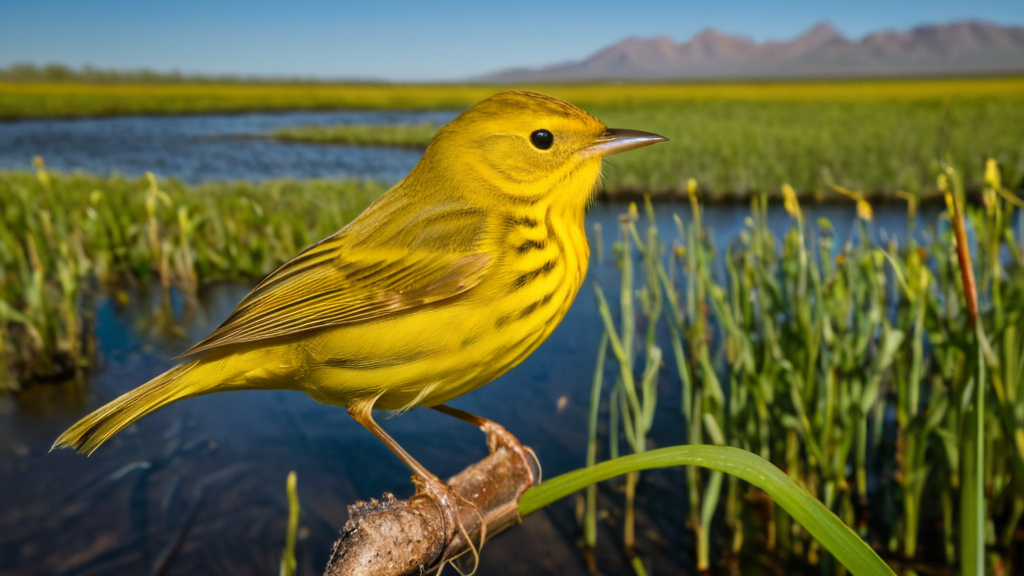
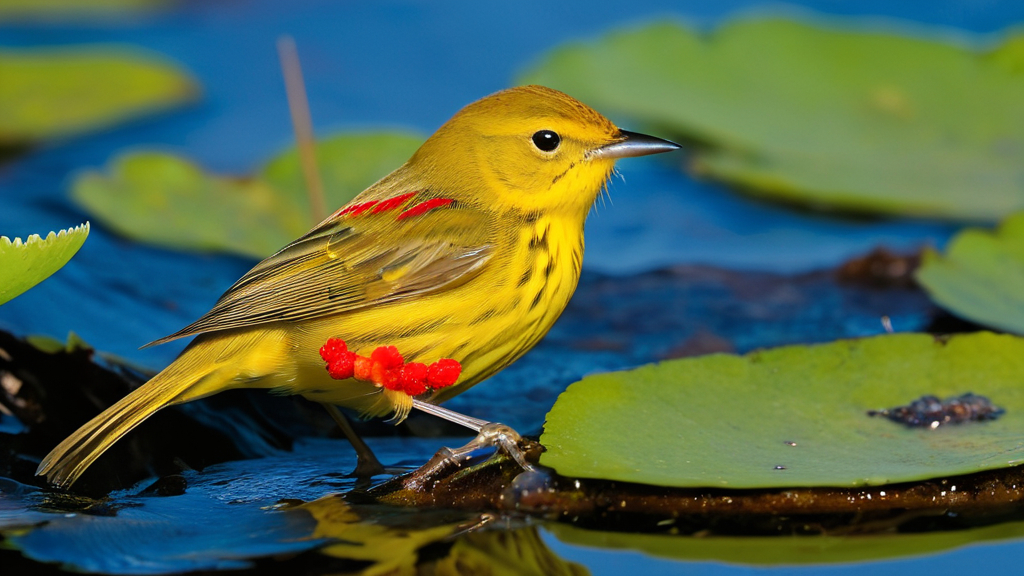
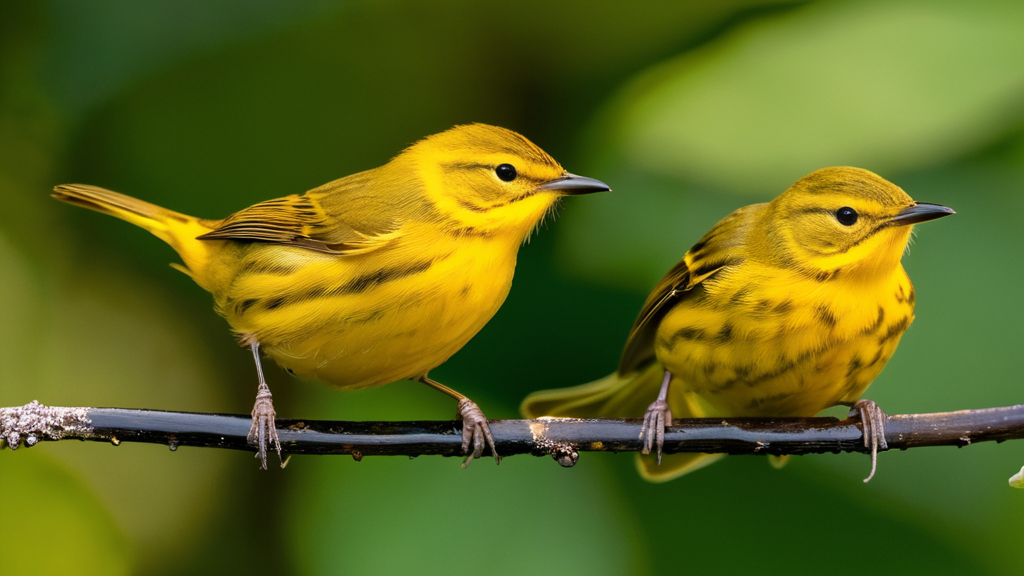
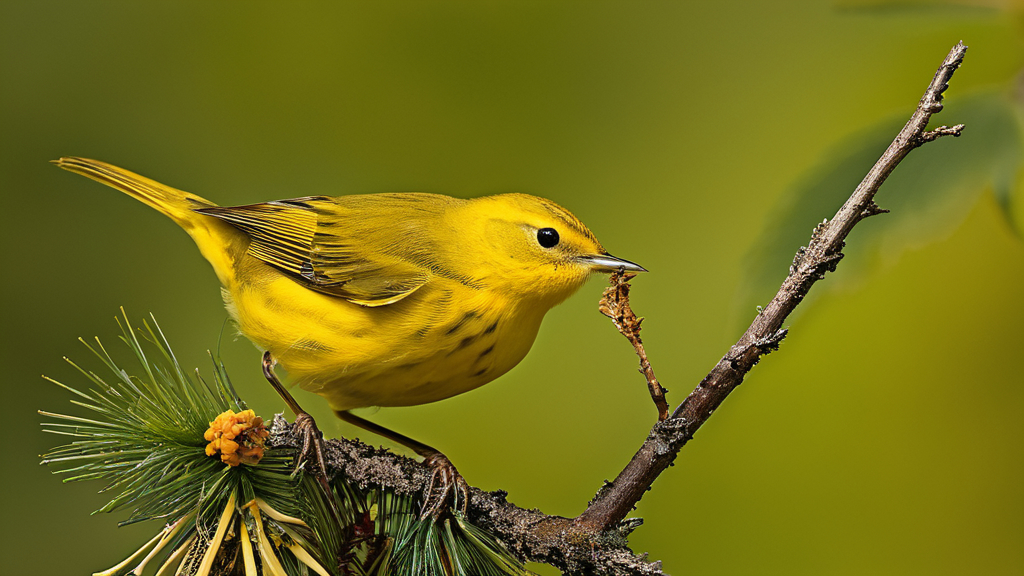
The Yellow Warbler is a bright and cheerful bird, known for its vibrant yellow feathers often streaked with reddish tones. Found in wetlands and forest edges, this bird flits through foliage in search of insects and caterpillars. Its sweet, melodious song adds a splash of color and sound to its environment, bringing joy to observers.
A Splash of Sunshine
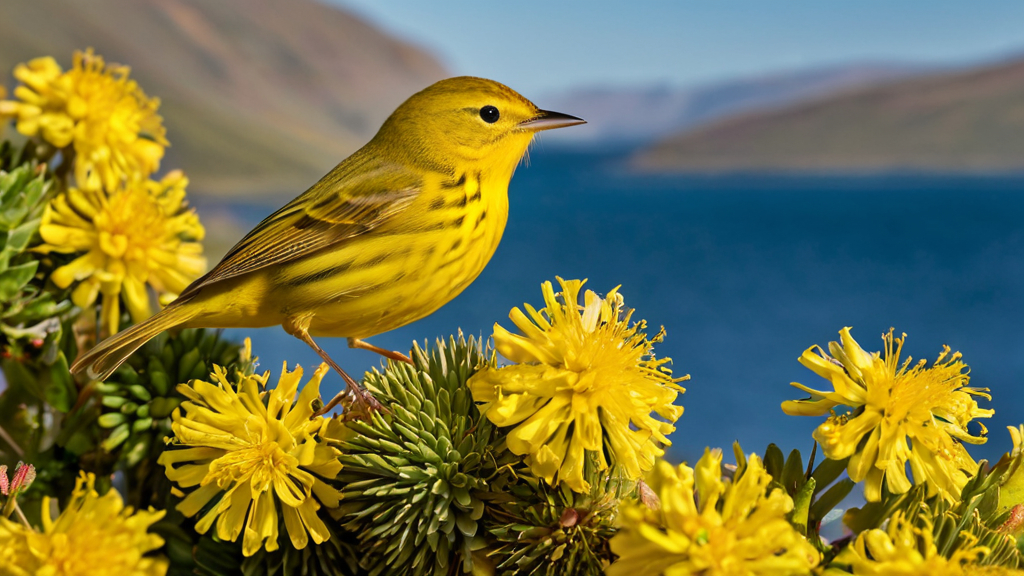
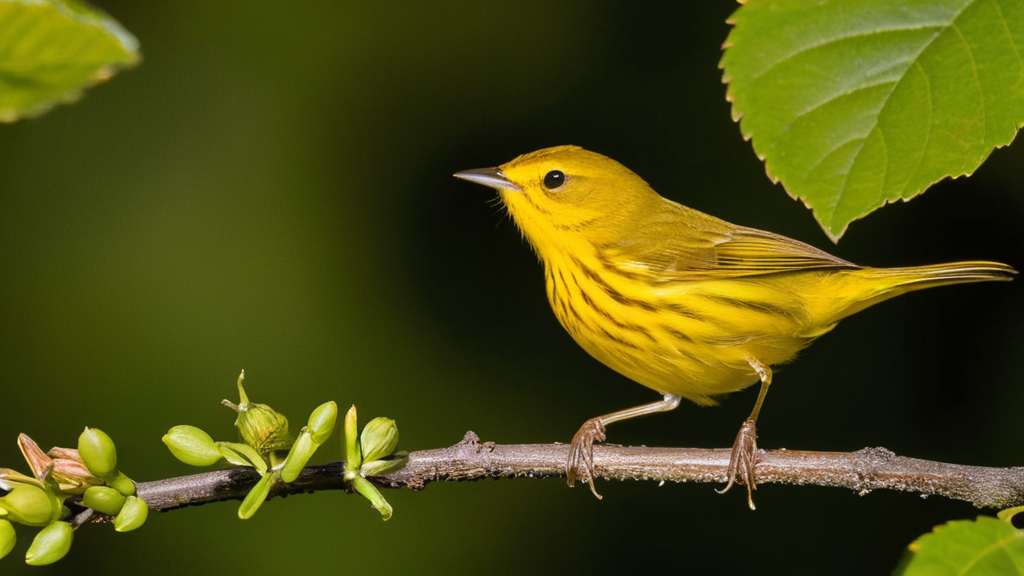
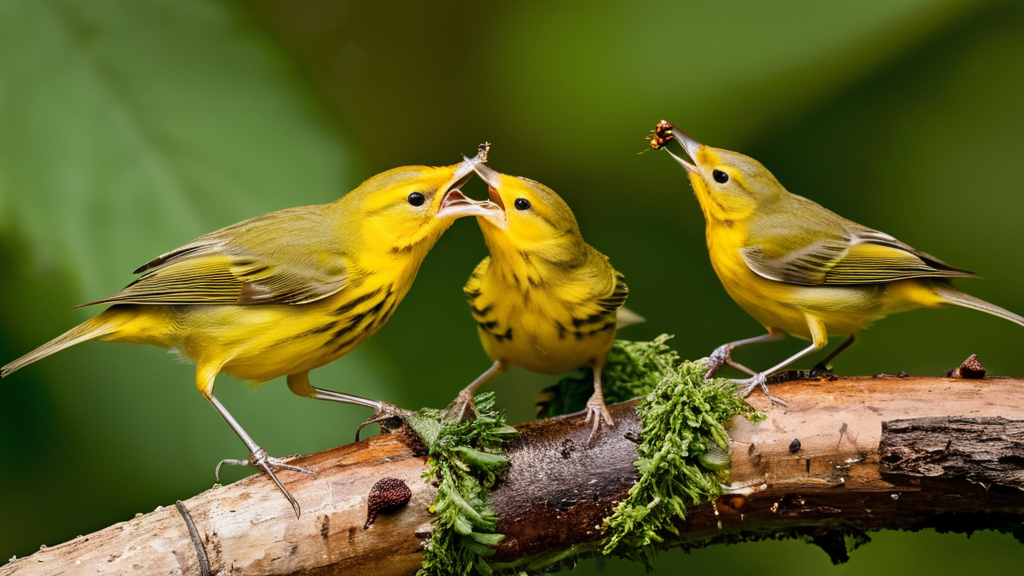
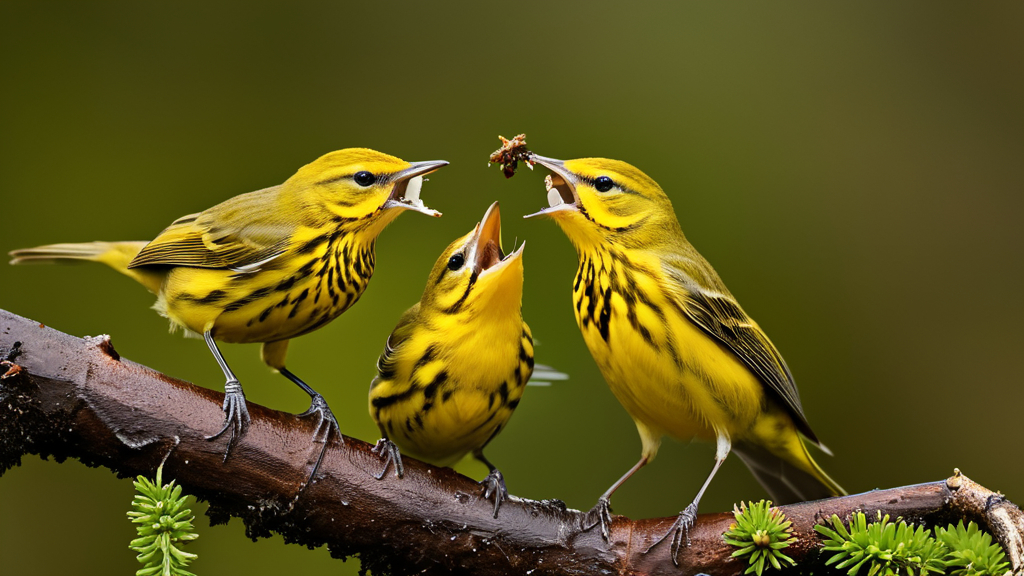
Yellow Warblers are like tiny rays of sunshine flitting through the trees. With their bright yellow plumage, they’re hard to miss. Males sport reddish streaks on their chests, adding a bit of flair to their sunny look. Females and young ones are a bit more subdued, but still lovely with their soft yellow feathers.
Sweet Singers
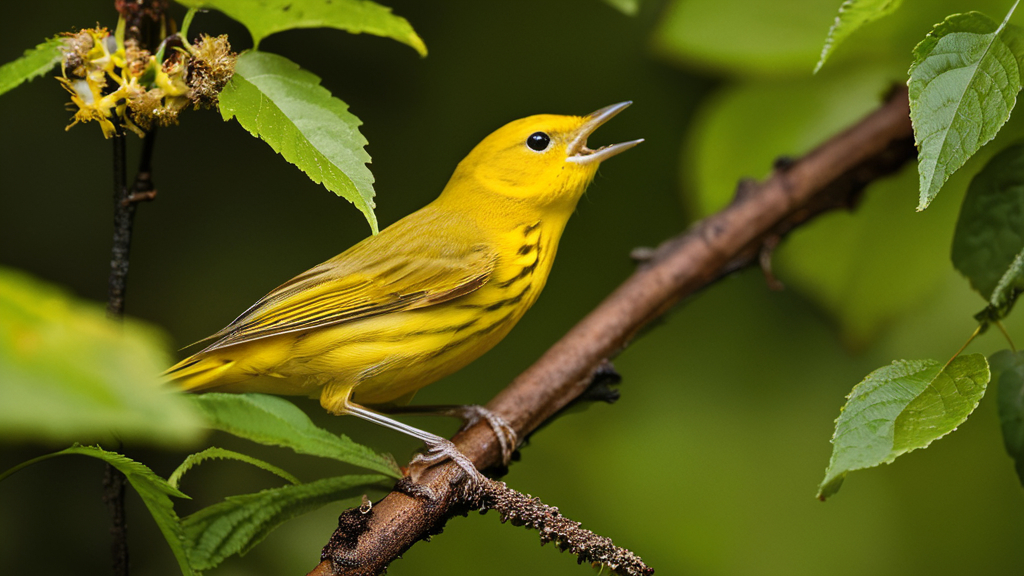
These birds are not just a treat for the eyes but also for the ears. Yellow Warblers have a sweet, melodious song that sounds like “sweet-sweet-sweet, I’m-so-sweet.” It’s a delightful tune that adds a lovely soundtrack to any summer day.
Yellow Warbler Song
Habitat Hoppers
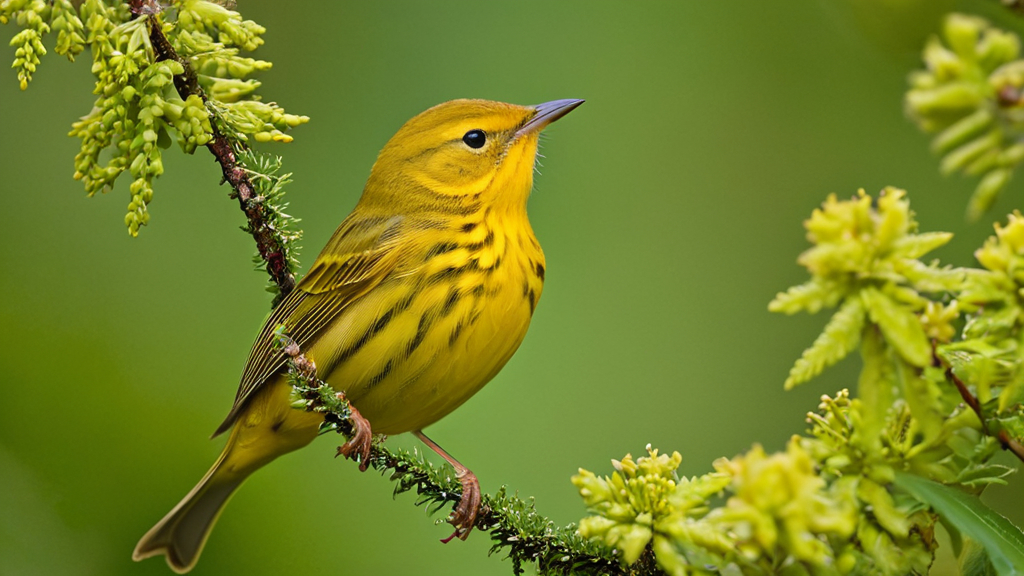
Yellow Warblers are pretty flexible when it comes to their habitat. You can find them in a variety of places like wetlands, forests, and even gardens. They love areas with dense shrubs and small trees, perfect for nesting and foraging.
Migratory Marvels
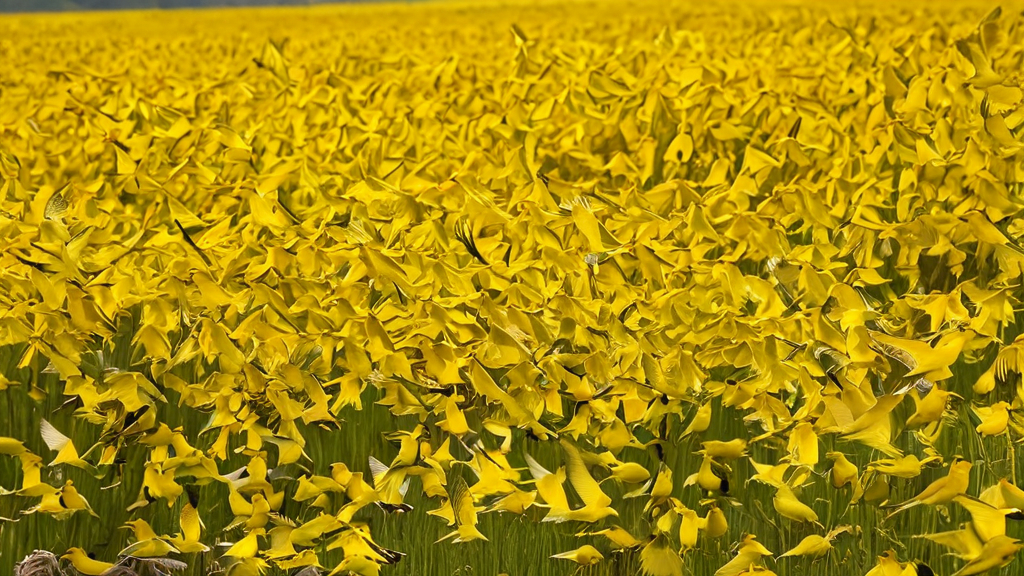
These little birds are impressive travelers. They migrate long distances between North and South America. During migration season, you might spot them passing through on their way to warmer climates or back home to breed.
Bug Hunters
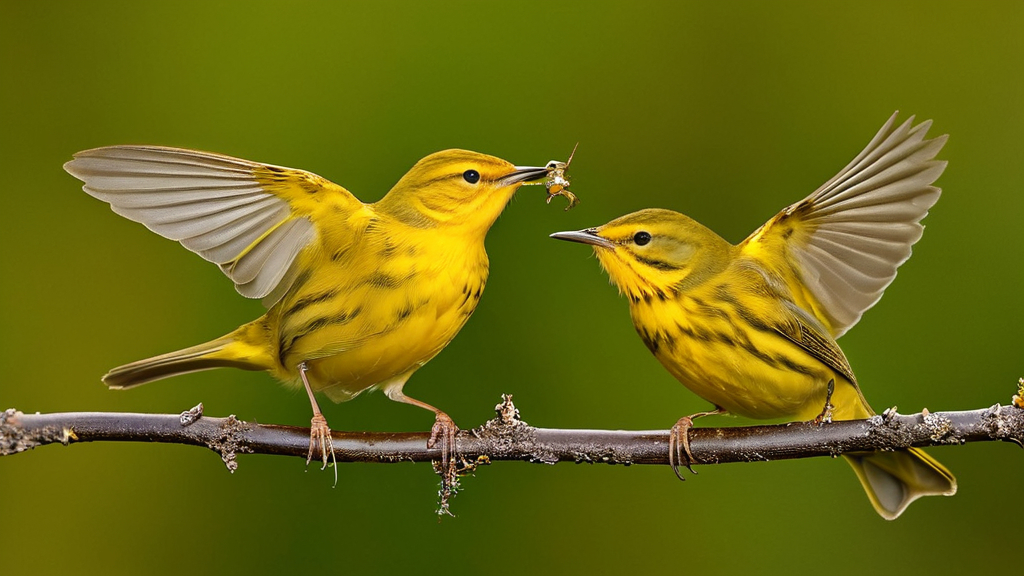
When it comes to food, Yellow Warblers are all about the bugs. They’re insectivores, meaning they eat mostly insects. They love to snack on caterpillars, beetles, and other small invertebrates. Watching them dart around catching insects is like seeing a tiny, efficient bug-zapping machine in action.
Family Life
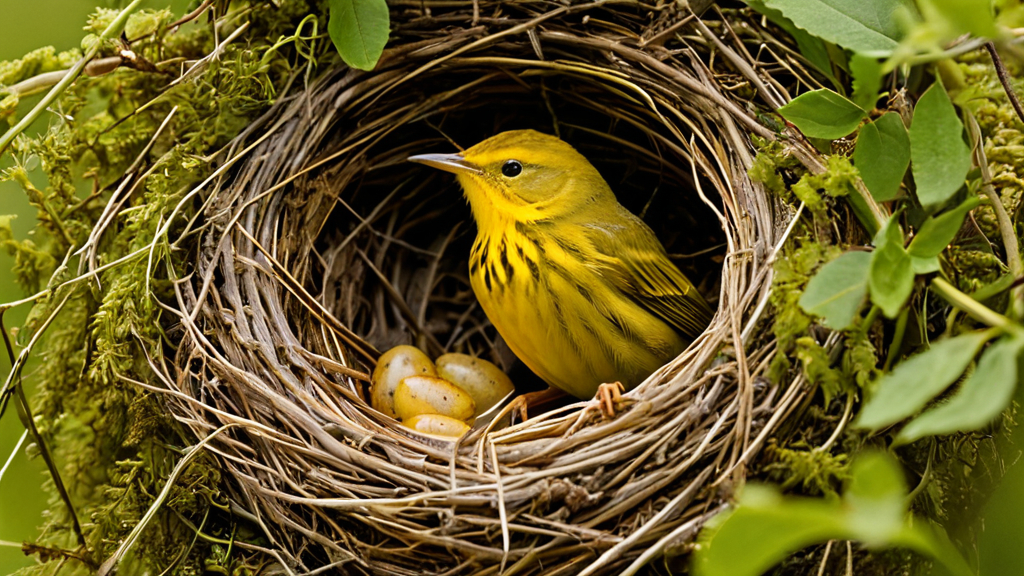
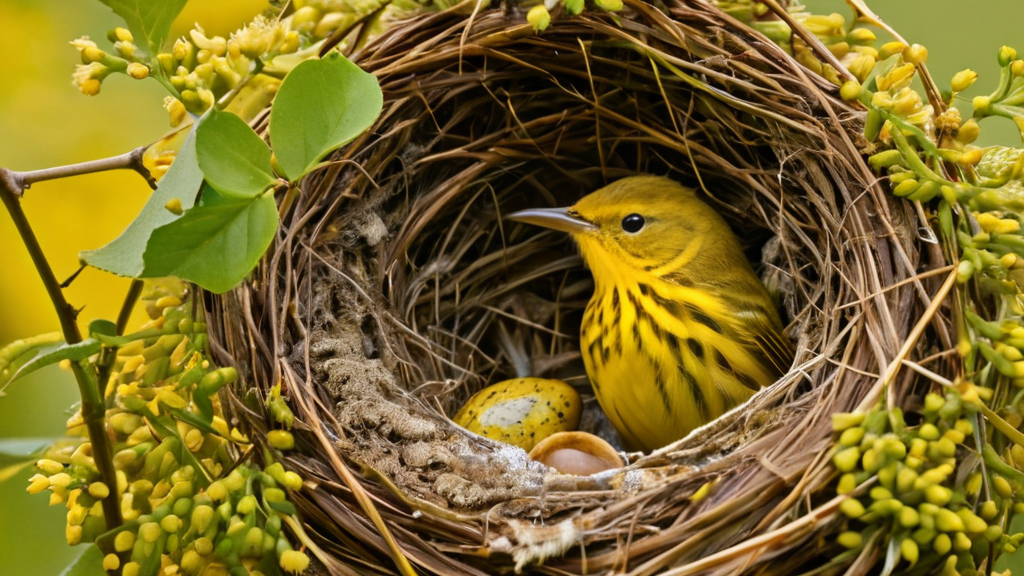
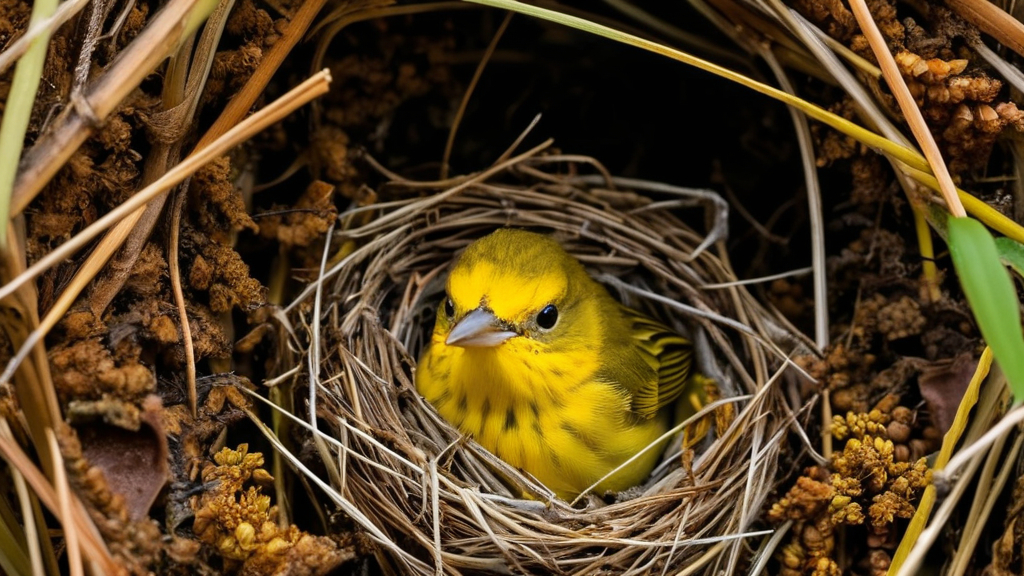
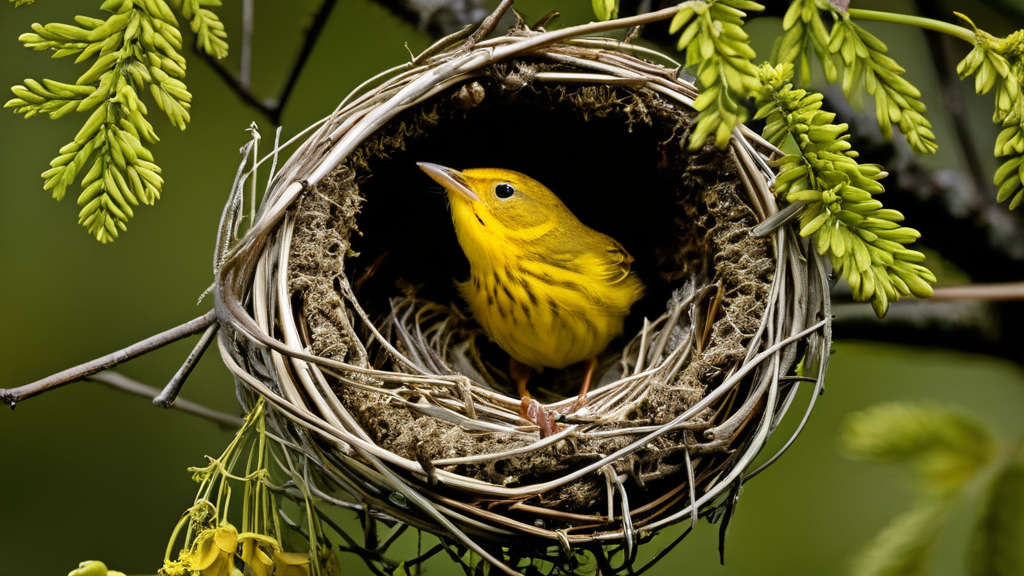
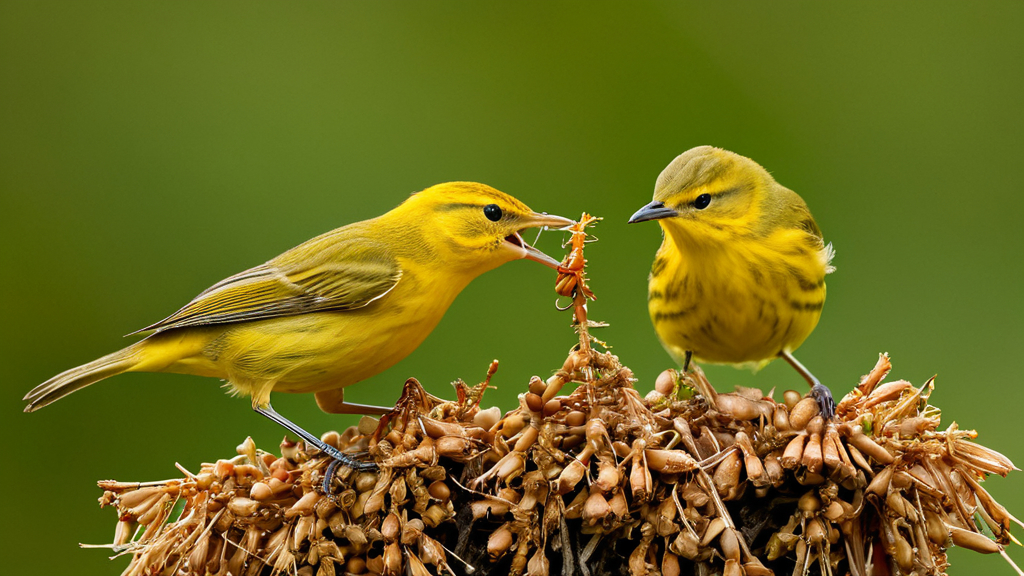
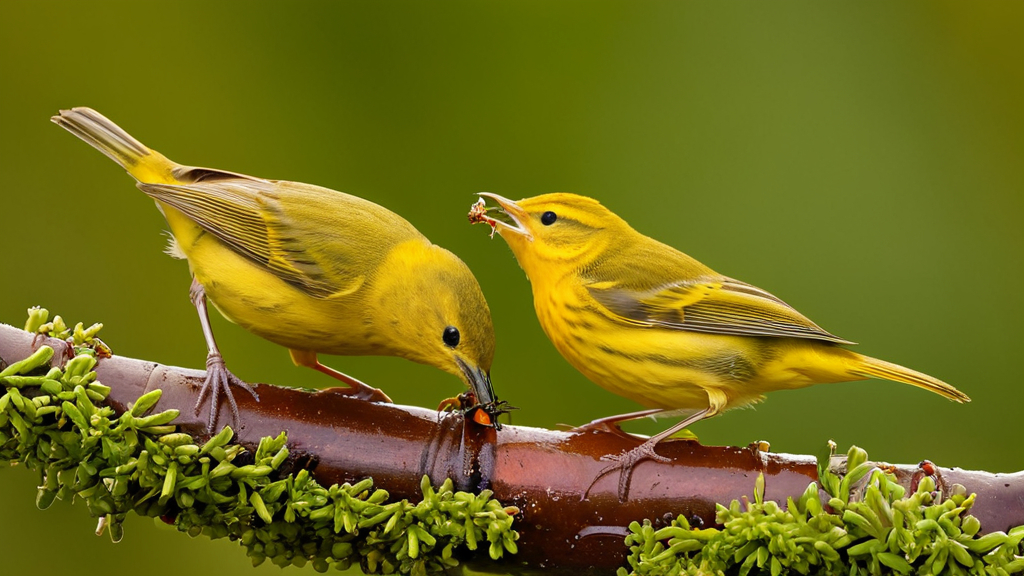
Yellow Warblers are dedicated parents. They build their nests in shrubs or small trees, usually close to water. Their nests are neat little cups made of grass, bark, and plant fibers. The female lays around four to six eggs, which she diligently incubates until they hatch. Both parents pitch in to feed and care for the chicks.