The Vibrant Wood Duck: A Jewel Among Birds of the USA
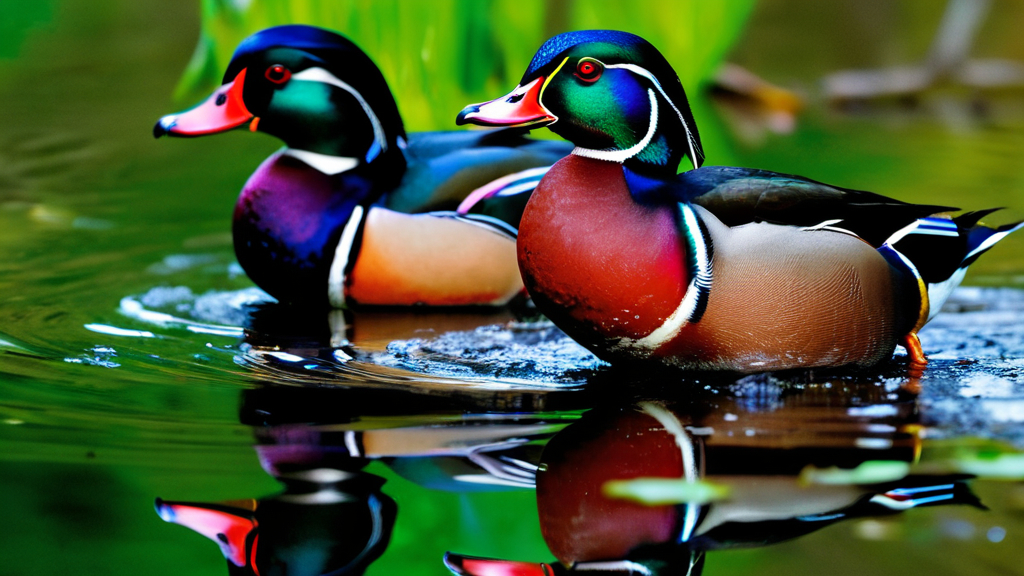
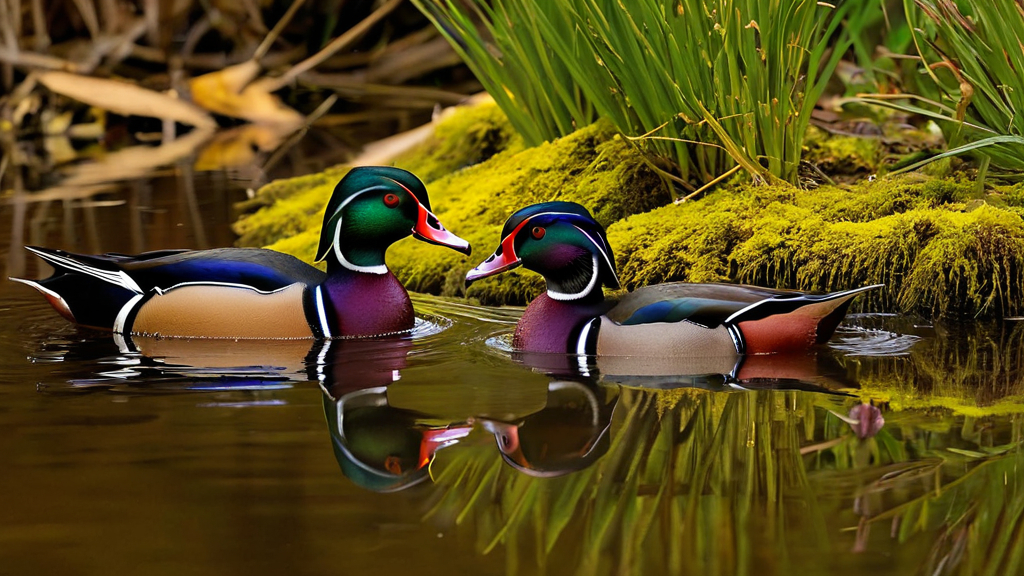
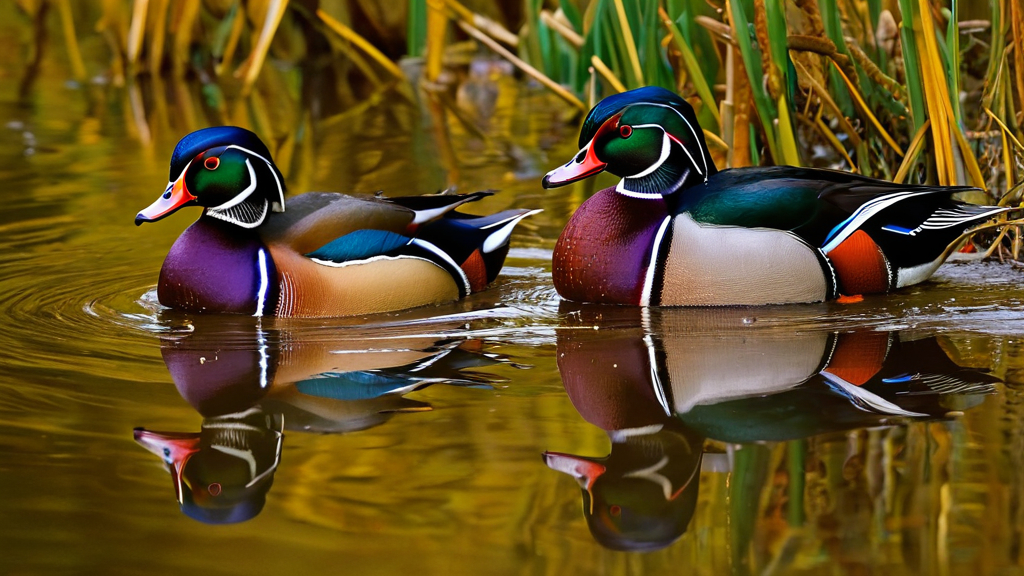
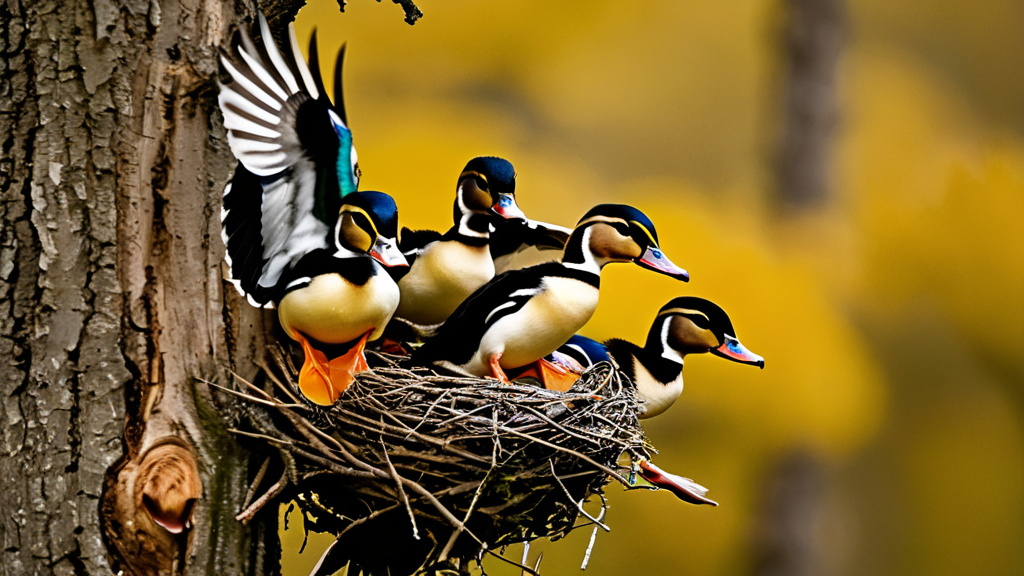
The Wood Duck is one of the most stunning waterfowl, with iridescent green, purple, and chestnut tones in its plumage. Found in wooded swamps and marshes, this bird is a cavity nester, often using tree hollows or nesting boxes for breeding. Its striking appearance and unique ability to perch on branches make it a delightful and elegant resident of wetland environments.
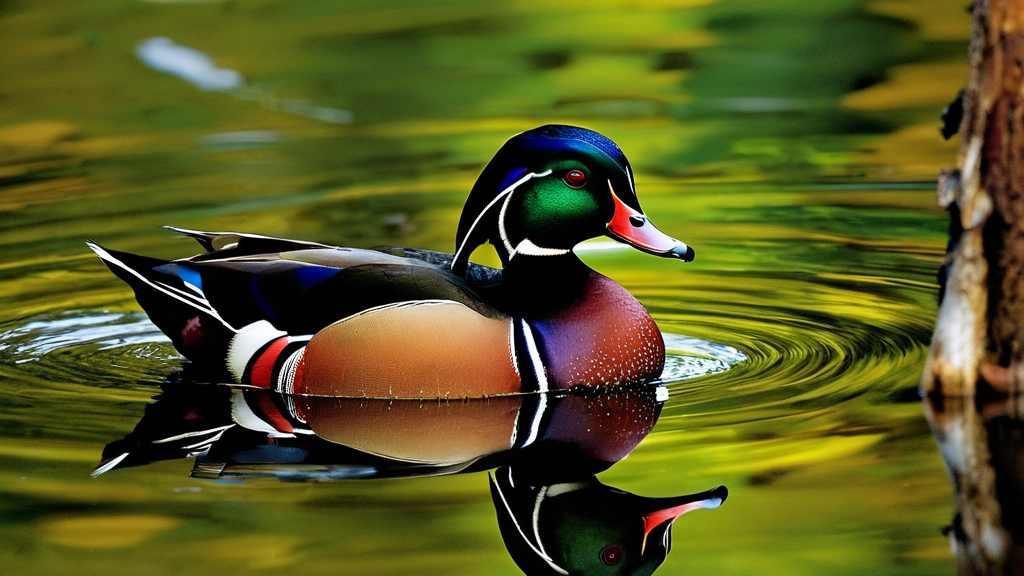
A Splash of Color
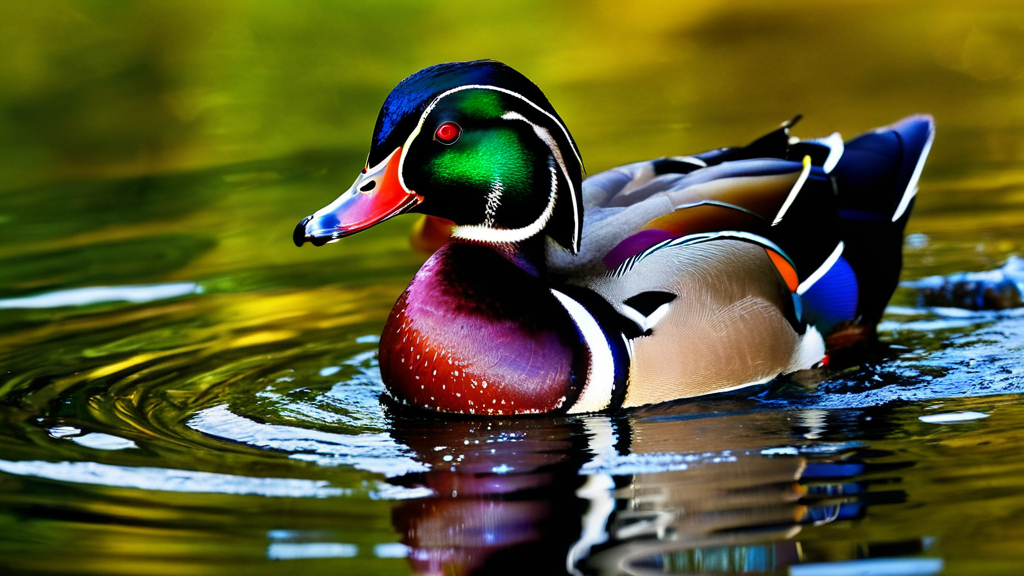
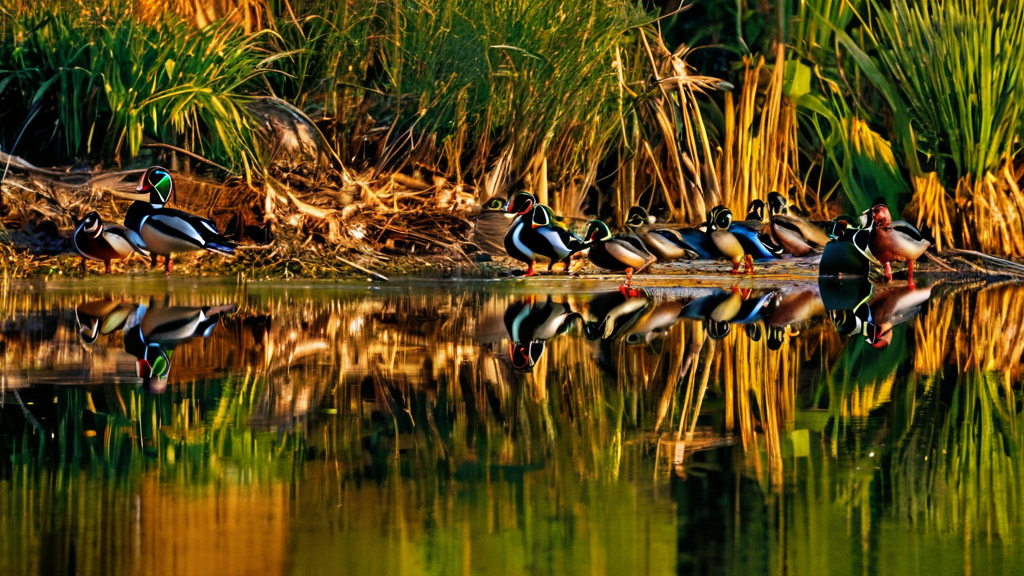
Wood Ducks are like the peacocks of the water. The males, especially, are decked out in an array of colors that can make any artist jealous. With their iridescent greens, blues, and purples, and that striking red eye, they’re basically nature’s way of showing off. The females, while more muted, still sport a delicate beauty with their subtle browns and that distinctive white eye-ring.
Waterfront Property Lovers
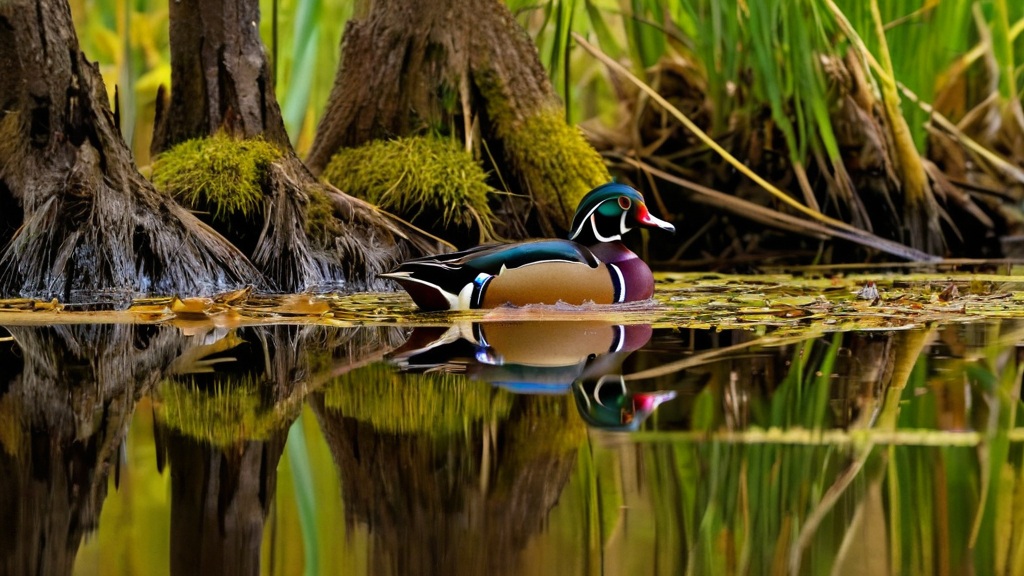
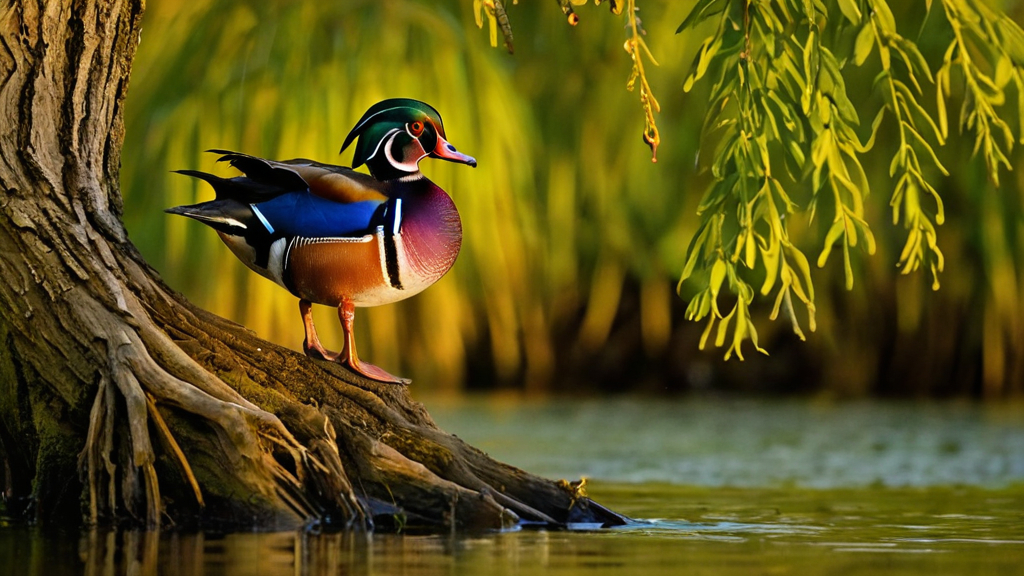
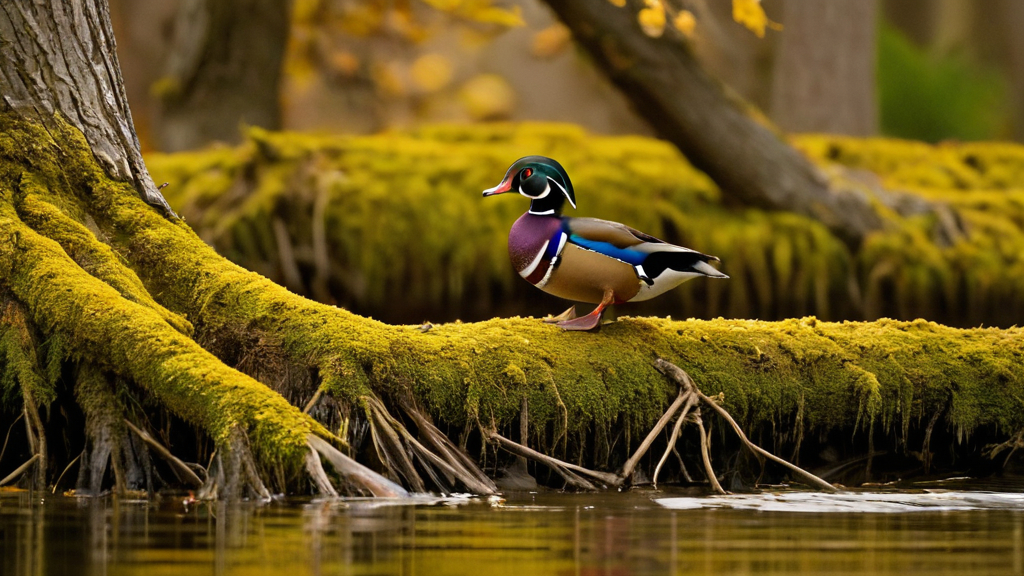
These ducks are all about that waterfront living. You’ll often find them in wooded swamps, marshes, and rivers. They’re one of the few duck species that perch in trees, thanks to their strong claws. They nest in tree cavities close to water, which keeps them safe from many ground predators.
Quack-tastic Families
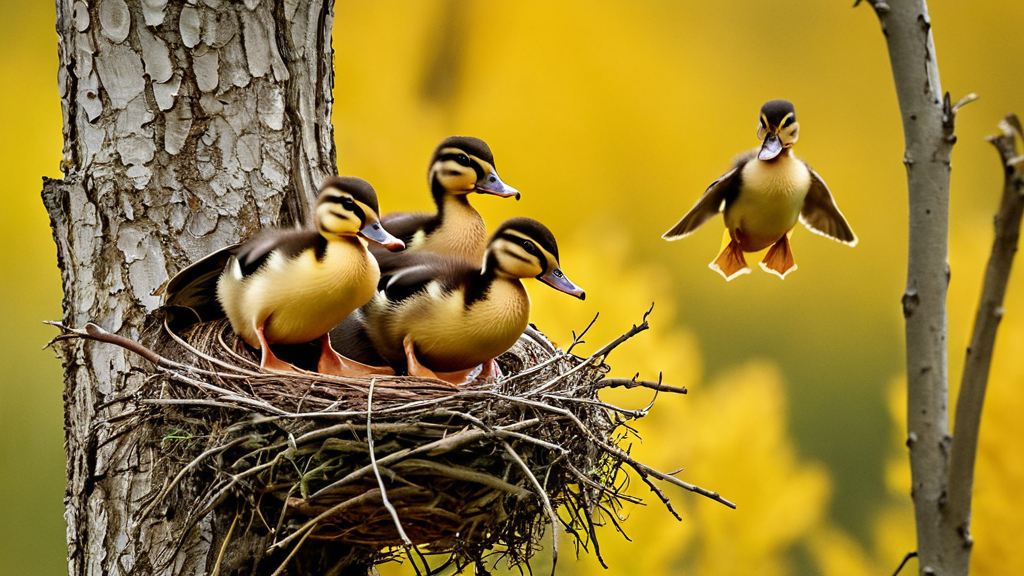
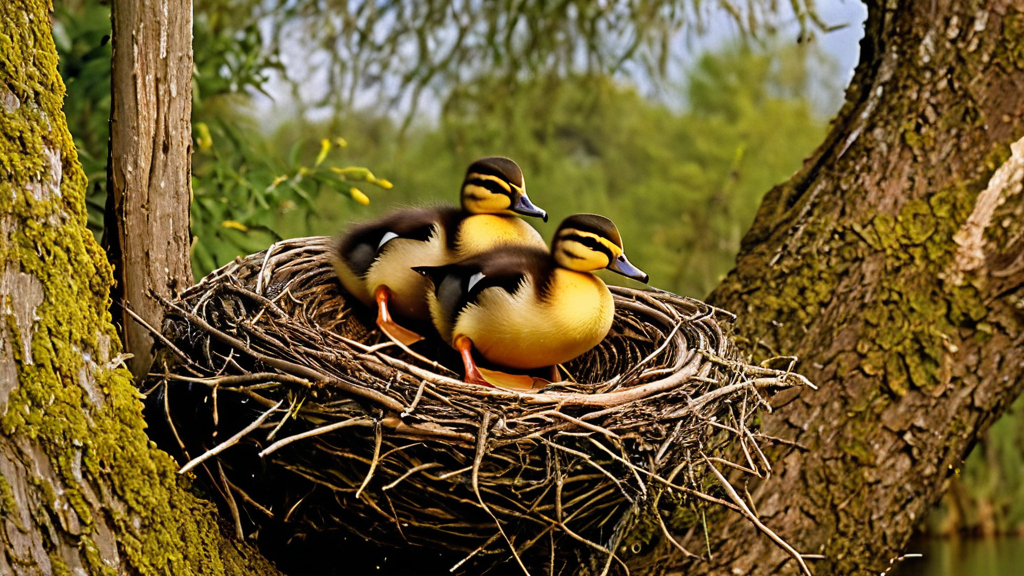
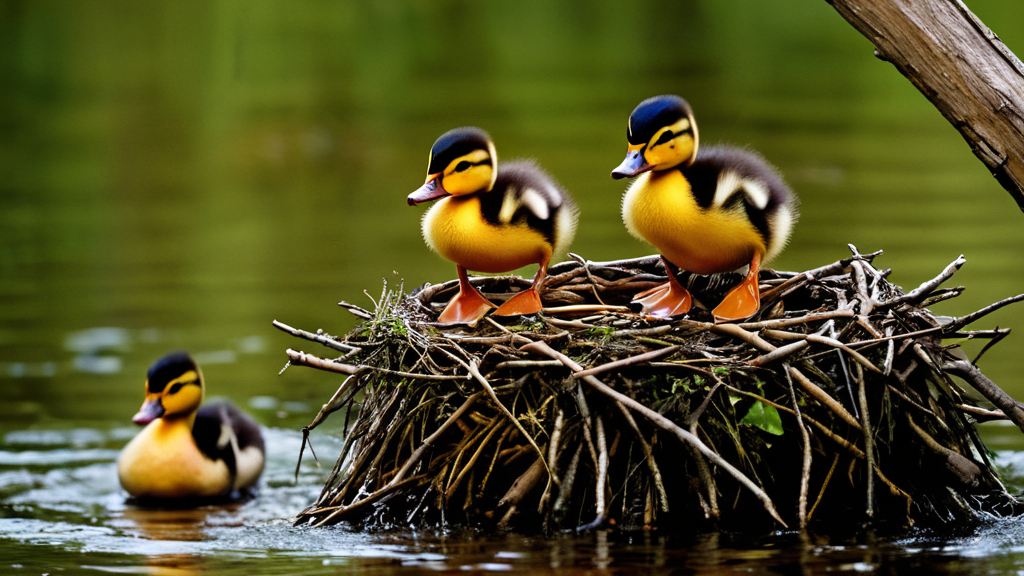
Wood Ducks are known for their strong family bonds. Once the female lays her eggs, she’s super protective. When the ducklings hatch, they take a leap of faith, literally jumping from the nest high up in a tree down to the ground or water below. Don’t worry, these little fluffballs are tough and usually make it just fine!
Fashion and Function
Their stunning looks aren’t just for show. The male’s bright colors are all about attracting a mate. During mating season, the males put on quite the display to catch the eye of a female. Once paired up, they work together to find the perfect nesting spot.
Quack Quack
Wood Duck Call
Diet and Dining
Wood Ducks aren’t picky eaters. Their diet includes a mix of plants, seeds, and insects. They forage in the water, dabbling and diving for their meals. This varied diet helps them stay healthy and vibrant.