
Red-headed Woodpecker: The Flashy Drummer of the Forest Hey
With its brilliant crimson head and striking black-and-white body, the Red-headed Woodpecker is a stunning sight in open woodlands and forests. Known for its habit of storing food in tree crevices, this bird is a versatile forager, feeding on insects, fruits, and nuts. Its acrobatic flight and bold personality make it a captivating addition to any birdwatching experience.
Bold and Beautiful
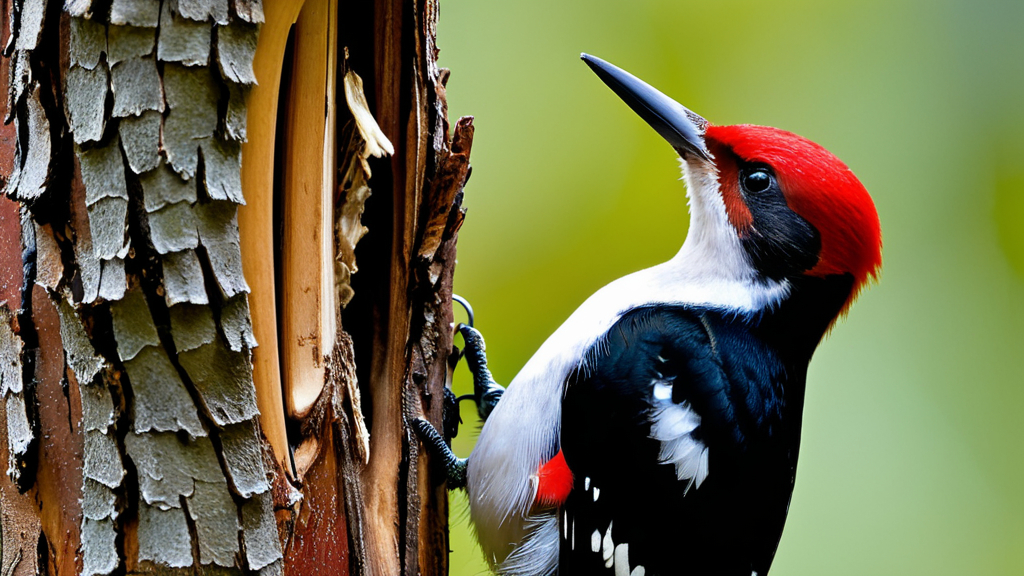
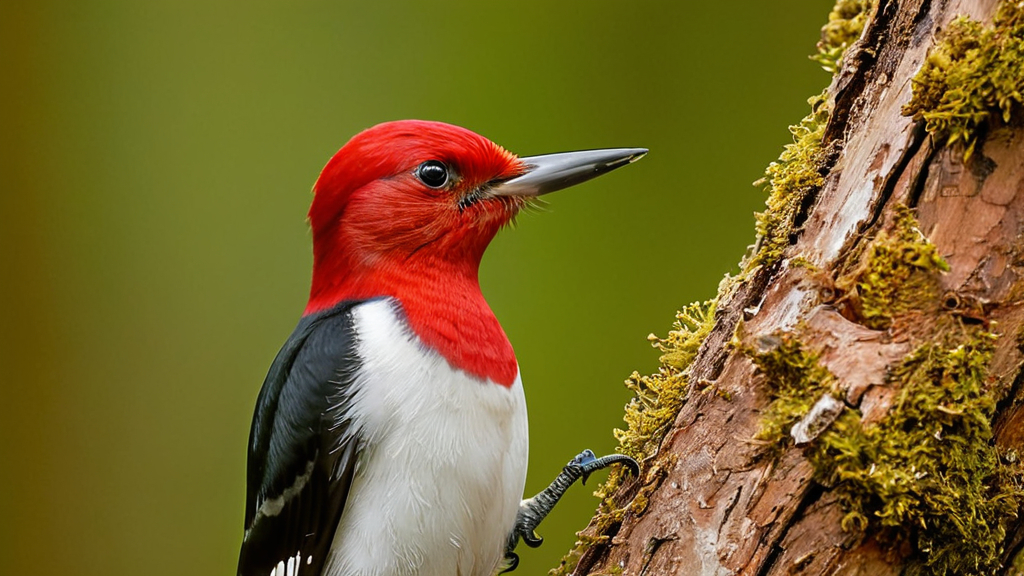
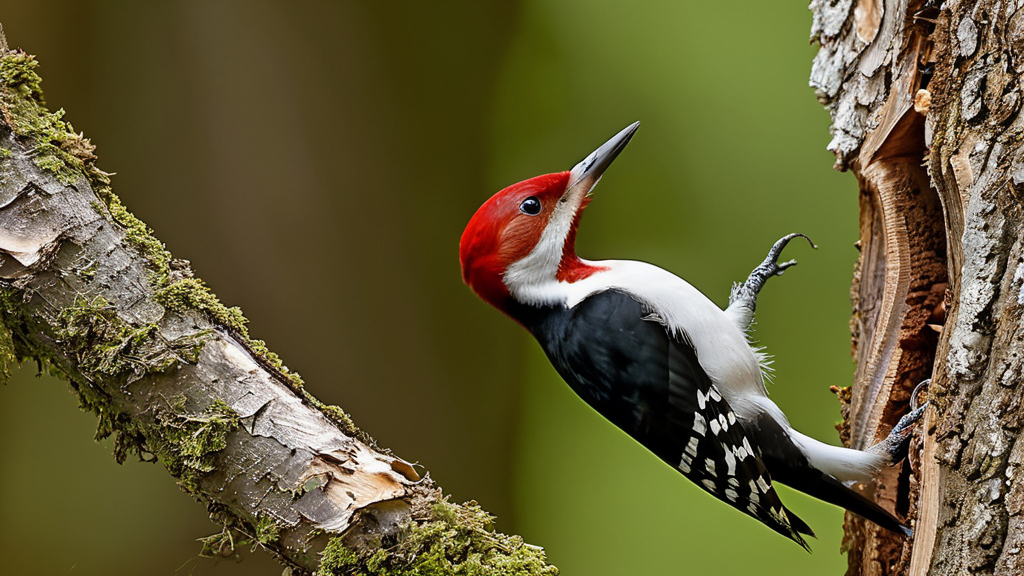
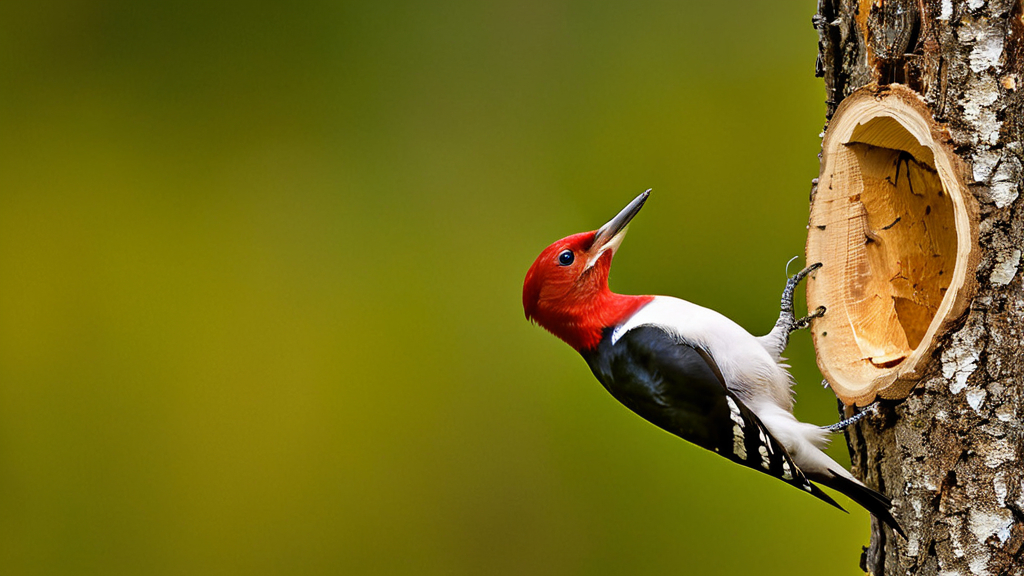
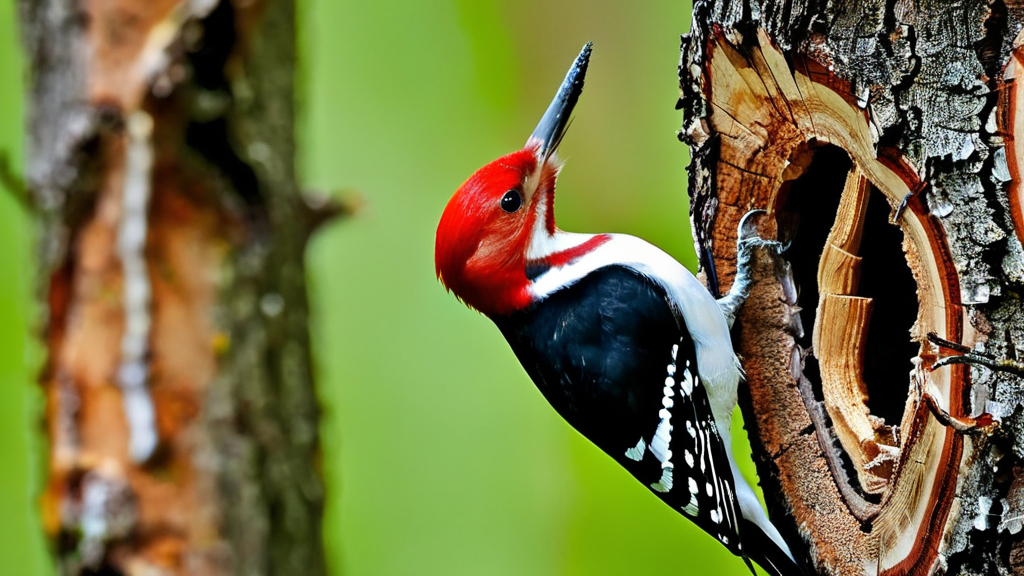
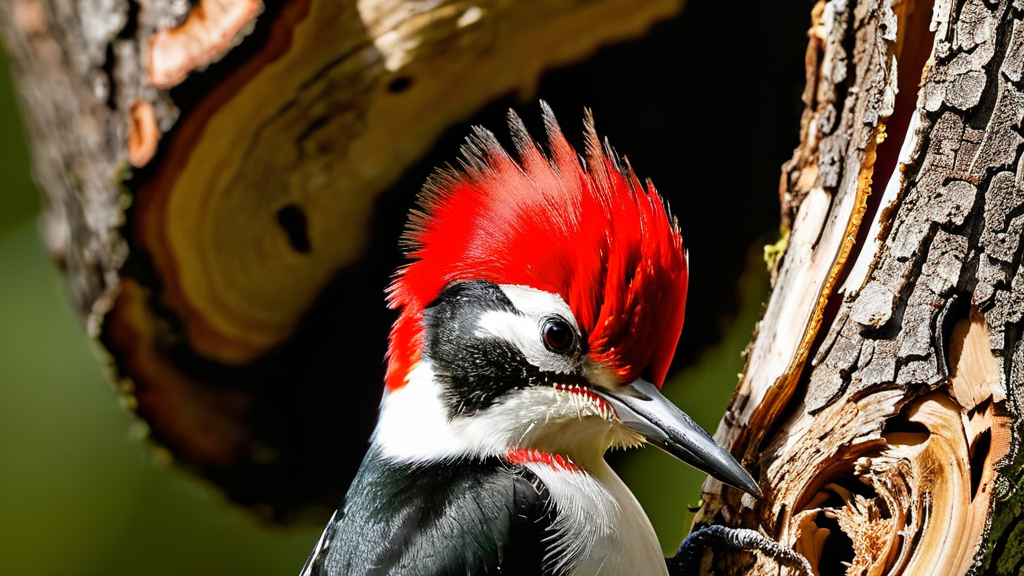
The Red-headed Woodpecker is like the rock star of the bird world. With its bright red head, contrasting white body, and inky black wings, it’s impossible to miss. When the sunlight hits just right, these colors pop even more, making them look like a living piece of art.
Knock, Knock, Who’s There?
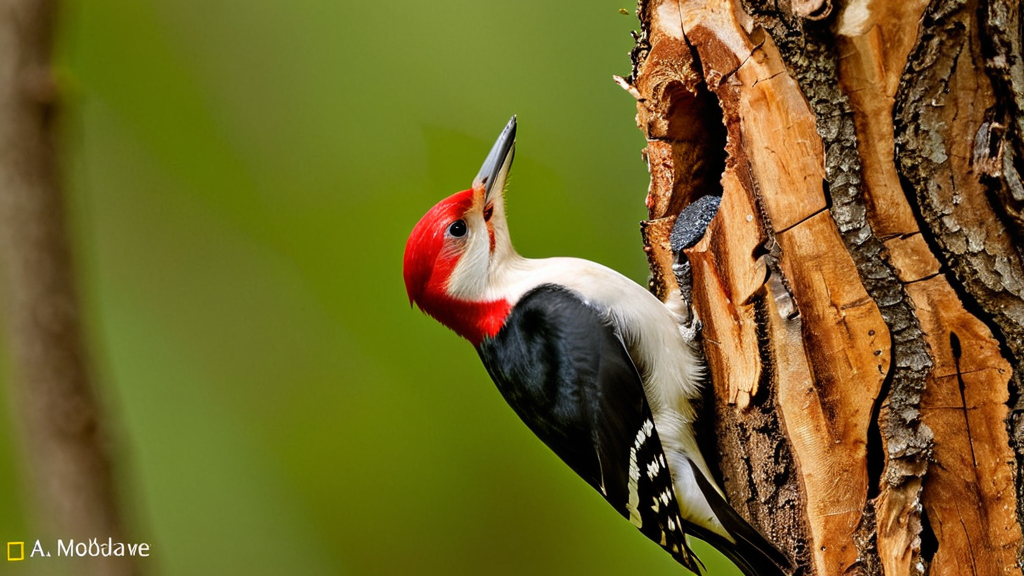
These woodpeckers are known for their drumming. They use their beaks to tap on trees, creating a sound that echoes through the forest. This isn’t just for show; it’s how they communicate and find food. The drumming helps them locate insects hiding under the bark, which they skillfully extract with their strong beaks.
Master Acrobats
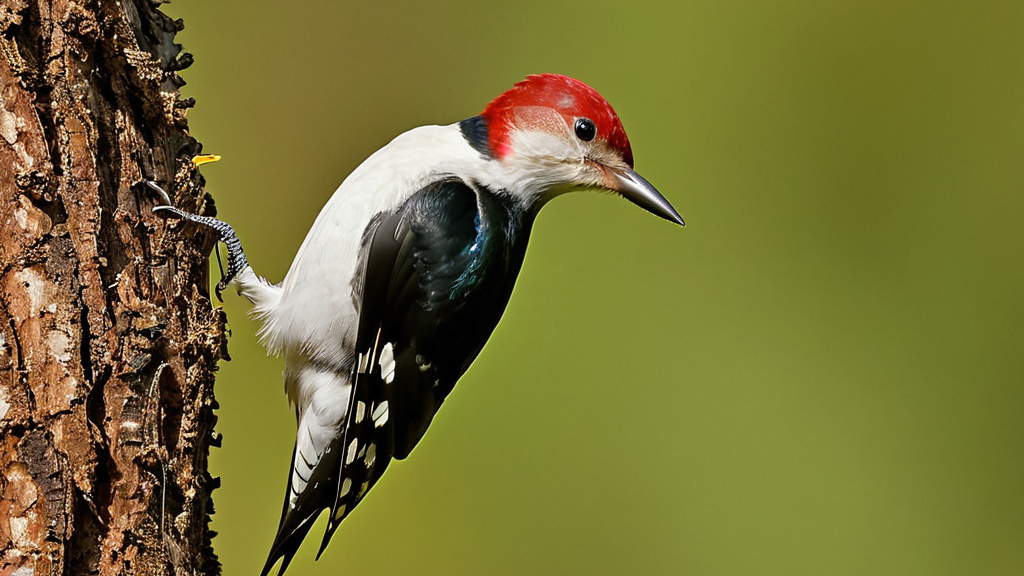
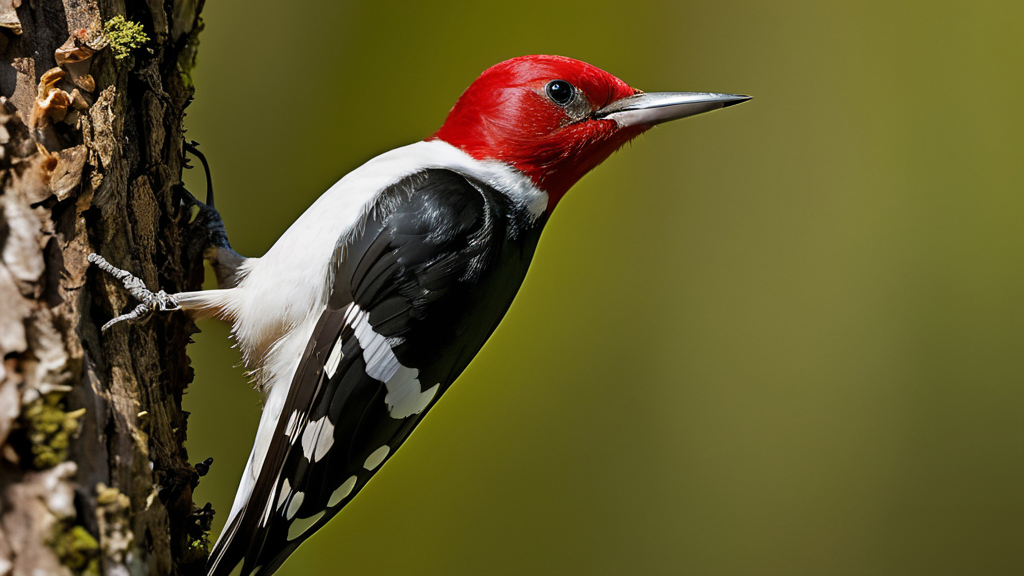
Red-headed Woodpeckers are like acrobats of the treetops. They’re incredibly agile, performing flips and flutters as they navigate through the branches. You’ll often see them catching insects in mid-air, showcasing their impressive flight skills.
Diet Diversifiers
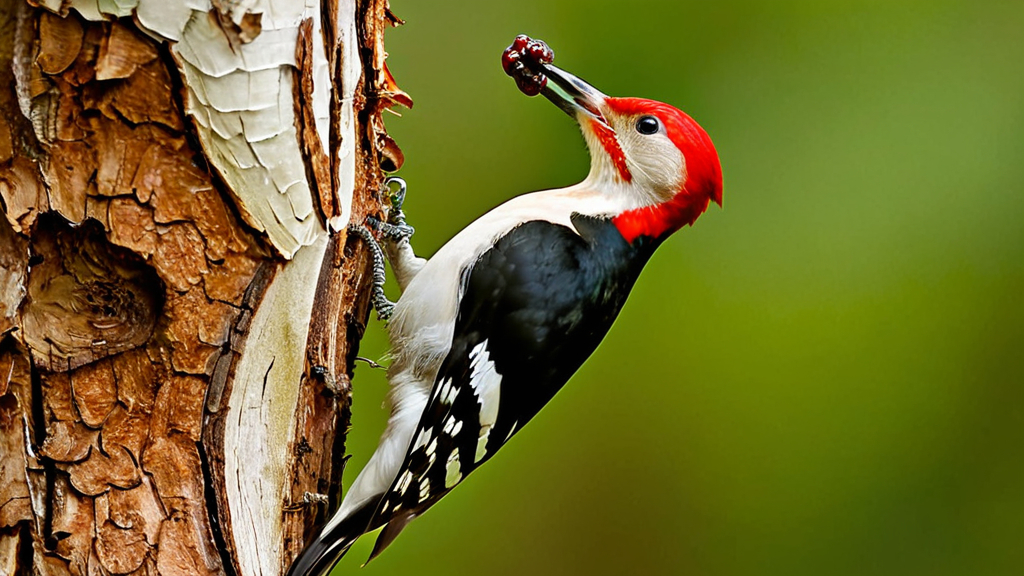
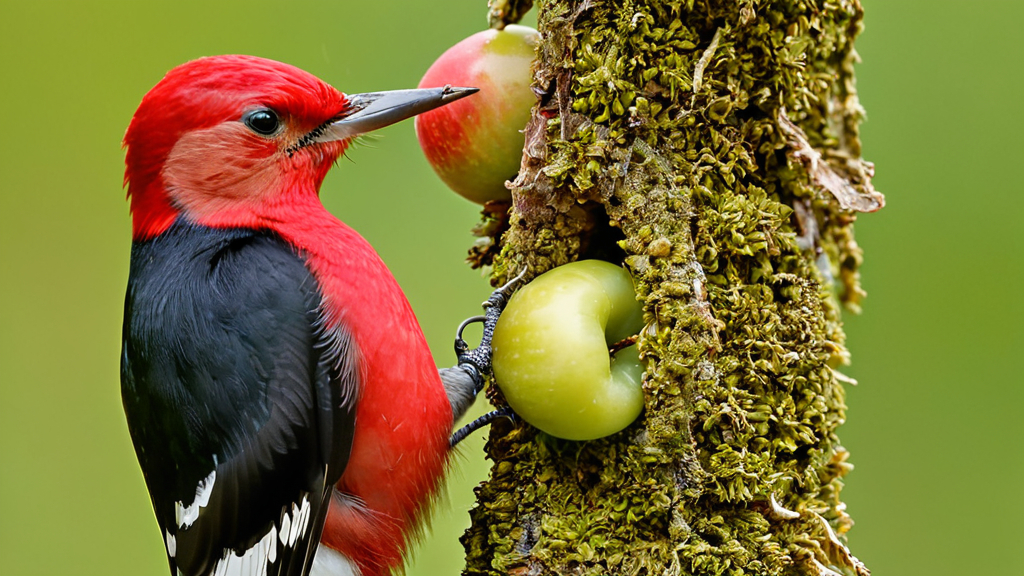
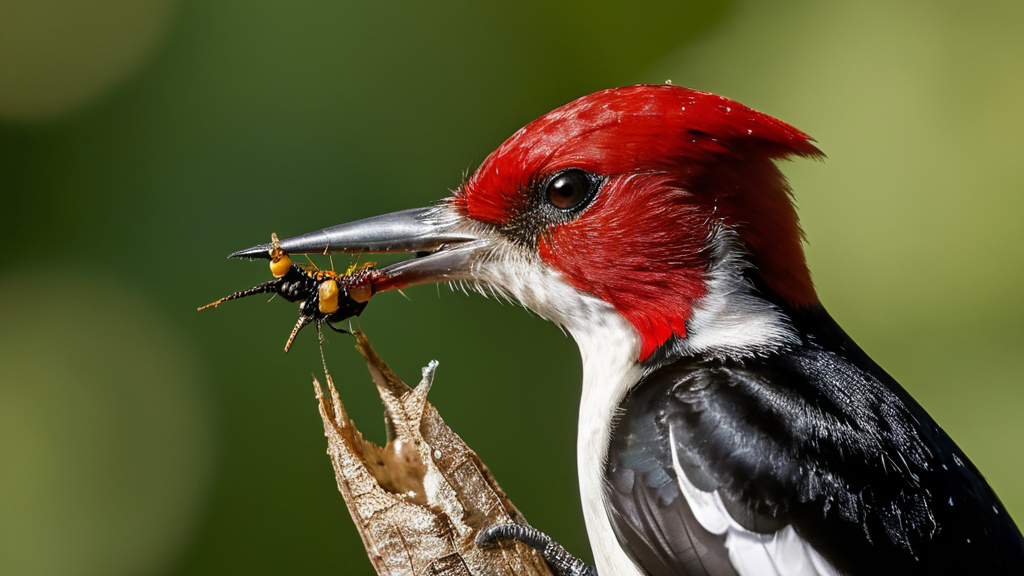
These birds aren’t picky eaters. They enjoy a varied diet that includes insects, fruits, nuts, and even small rodents. In the fall, they stock up on acorns and beech nuts, caching them away for the winter. You might catch them in the act, stashing their finds in tree crevices.
Cavity Nesters
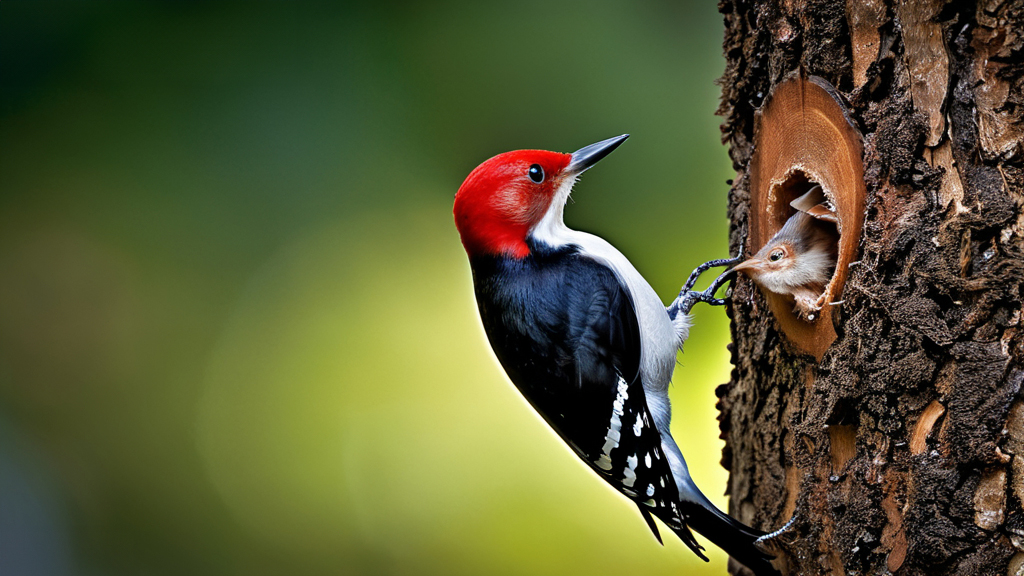
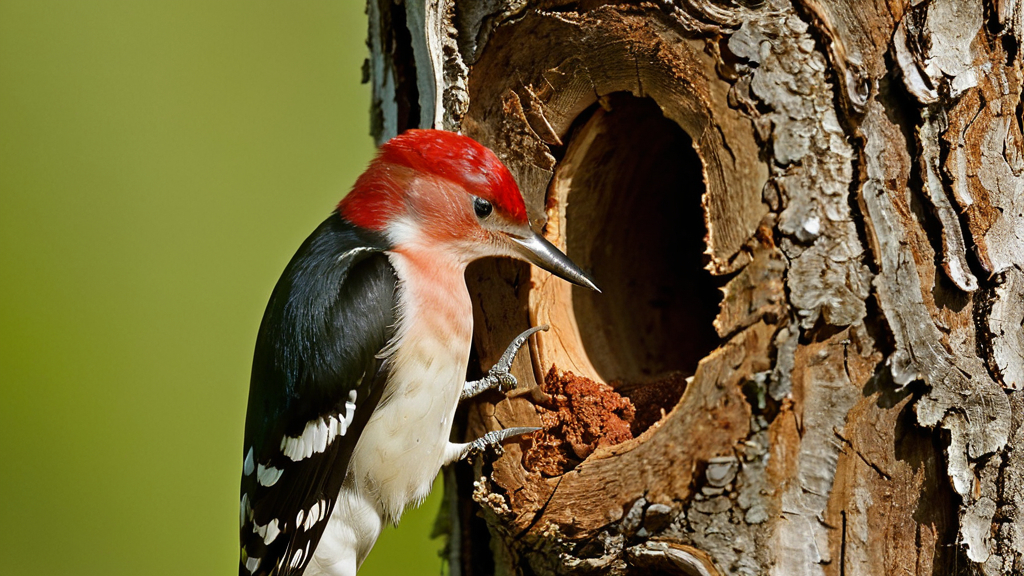
When it comes to raising a family, Red-headed Woodpeckers prefer to nest in tree cavities. They often take over old nests from other birds or make their own by chiseling out a hole in a dead tree. This provides a safe, secure spot for their eggs and chicks.
Voice of the Forest
Their calls are as distinctive as their looks. They make a variety of sounds, from harsh “churr” calls to softer “queer” sounds. These vocalizations help them communicate with each other, whether it’s warning of danger or simply keeping in touch with their mate.


