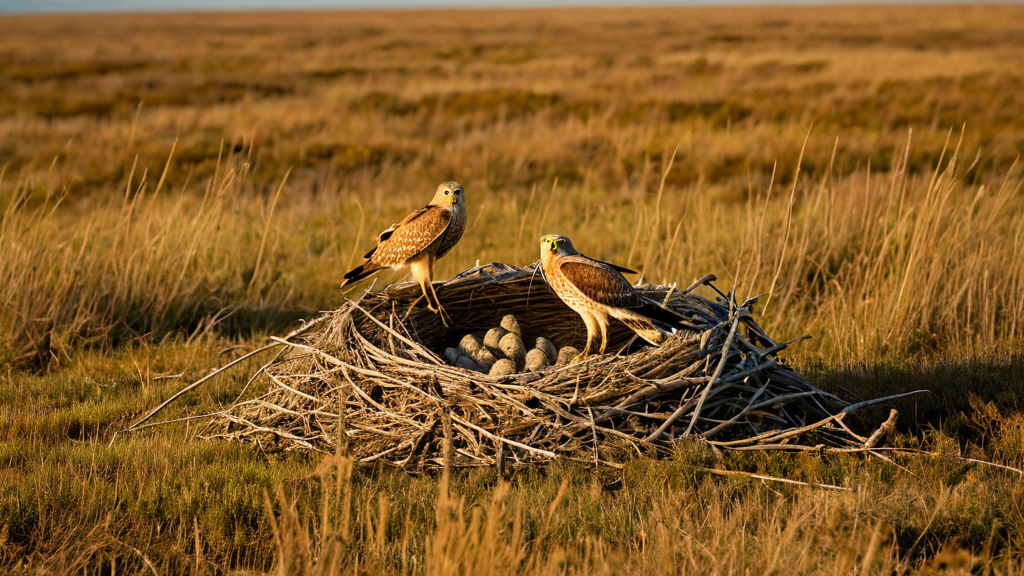
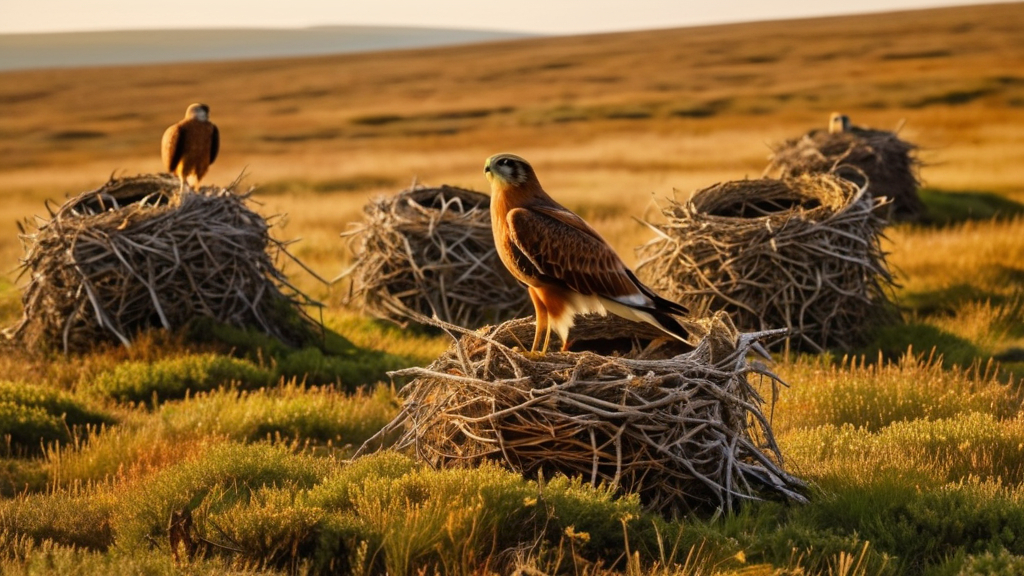
Northern Harrier: The Hawk with the Owl Face
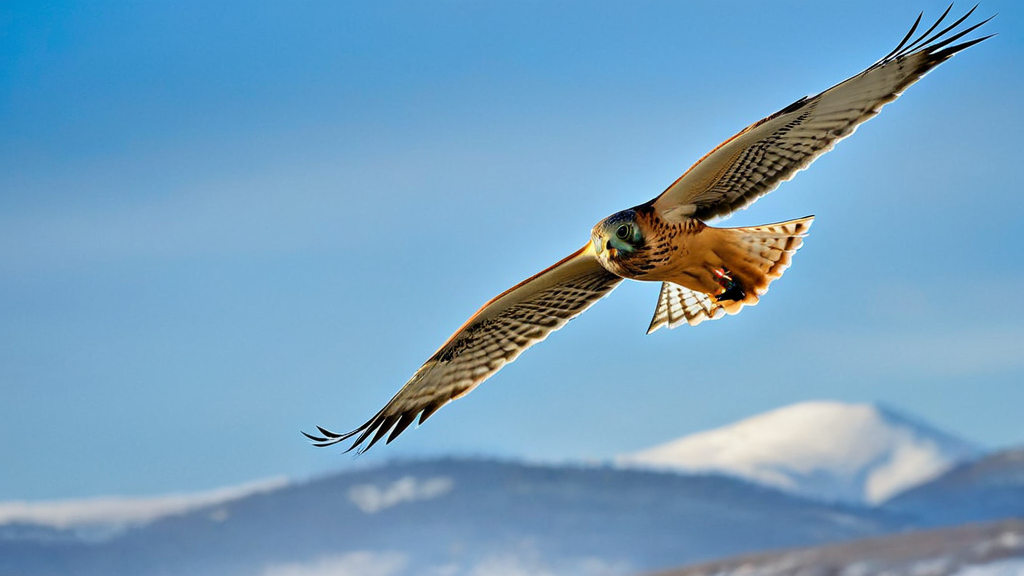
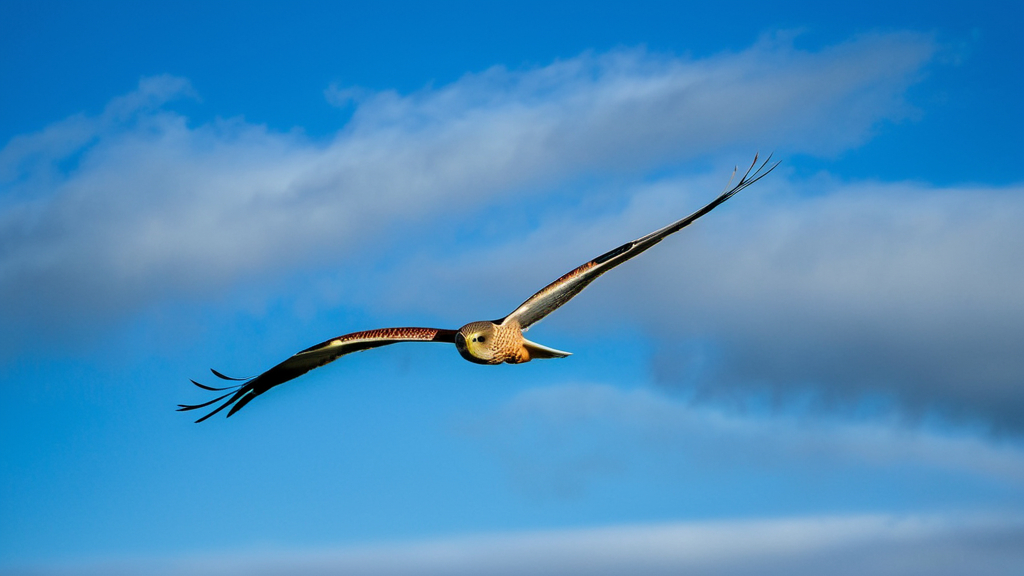
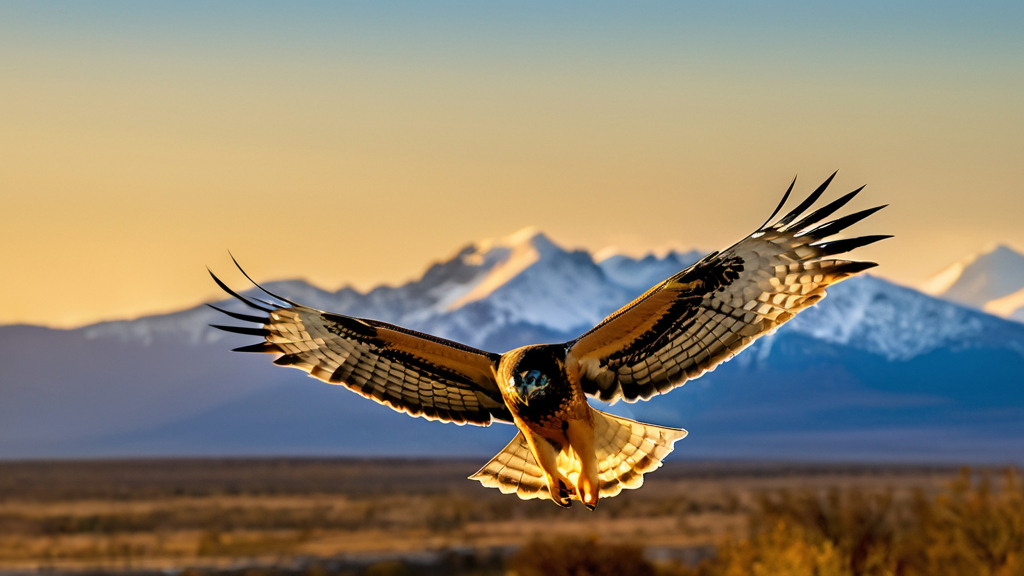
Gliding gracefully over open fields and marshes, the Northern Harrier is known for its low, slow flight as it scans the ground for small mammals and birds. Its owl-like facial disc helps it detect sounds, making it a skilled predator in wide, open habitats. With its striking appearance and hunting prowess, the Northern Harrier is a fascinating bird of prey to observe.
Silent Hunters
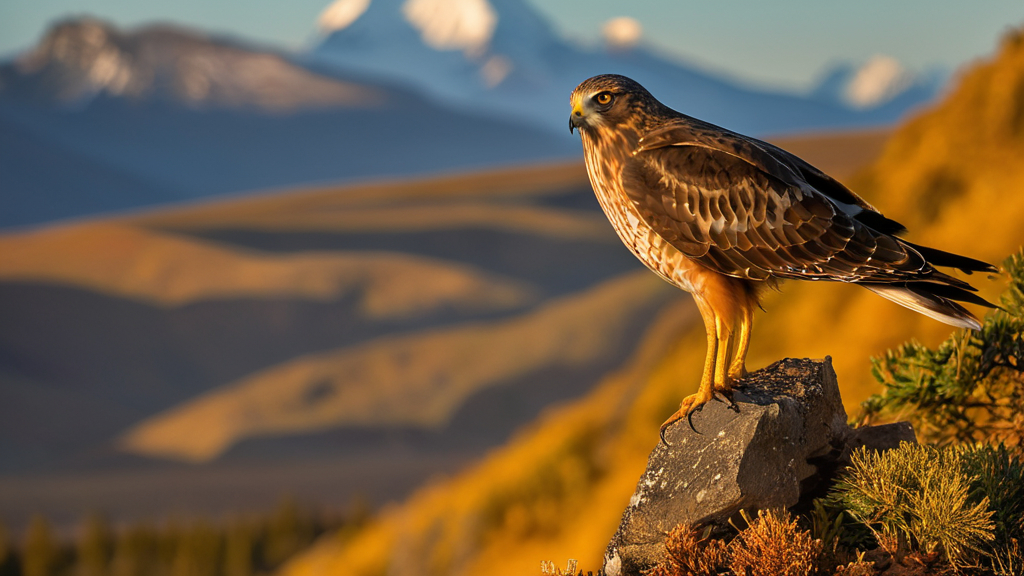
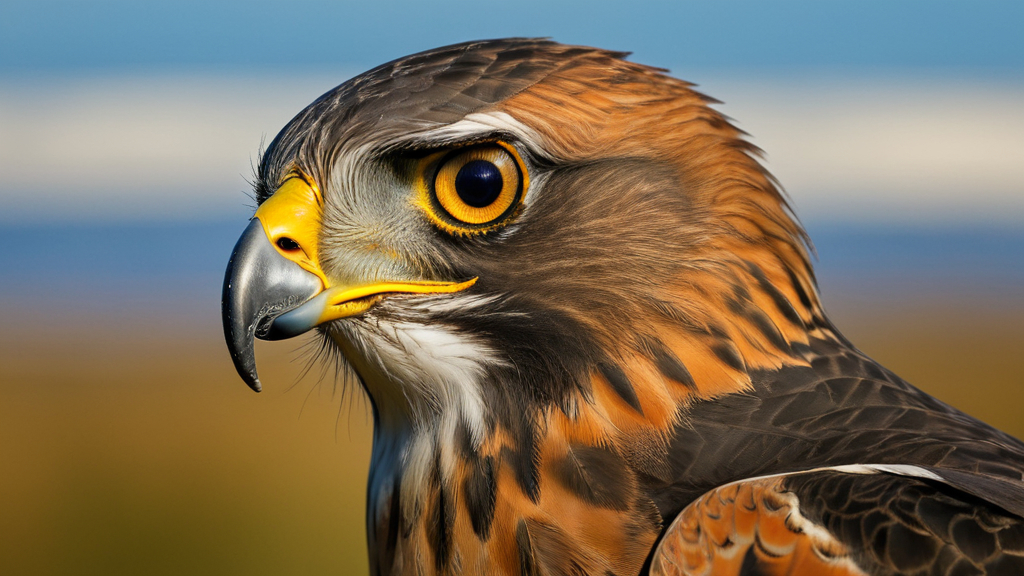
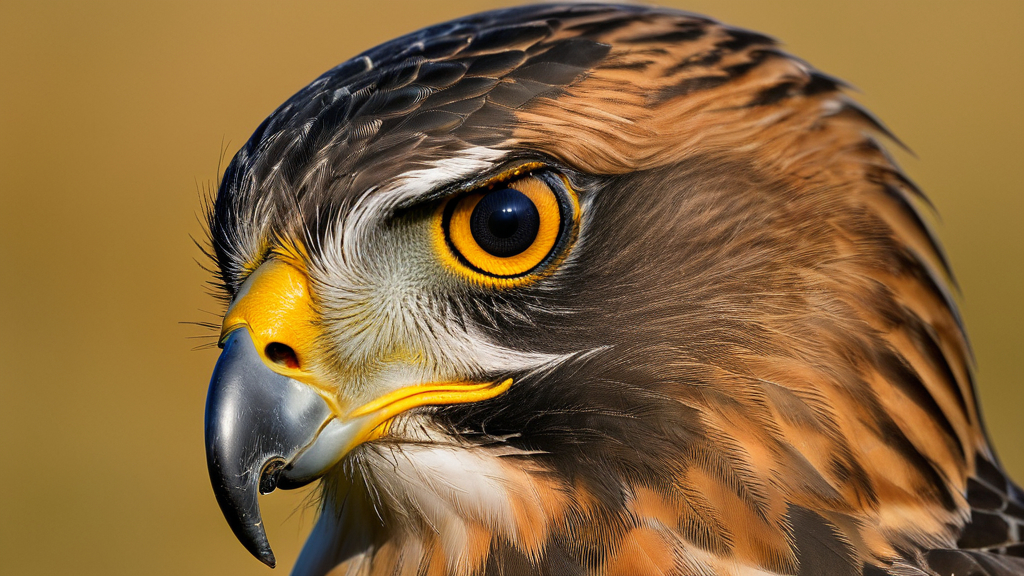
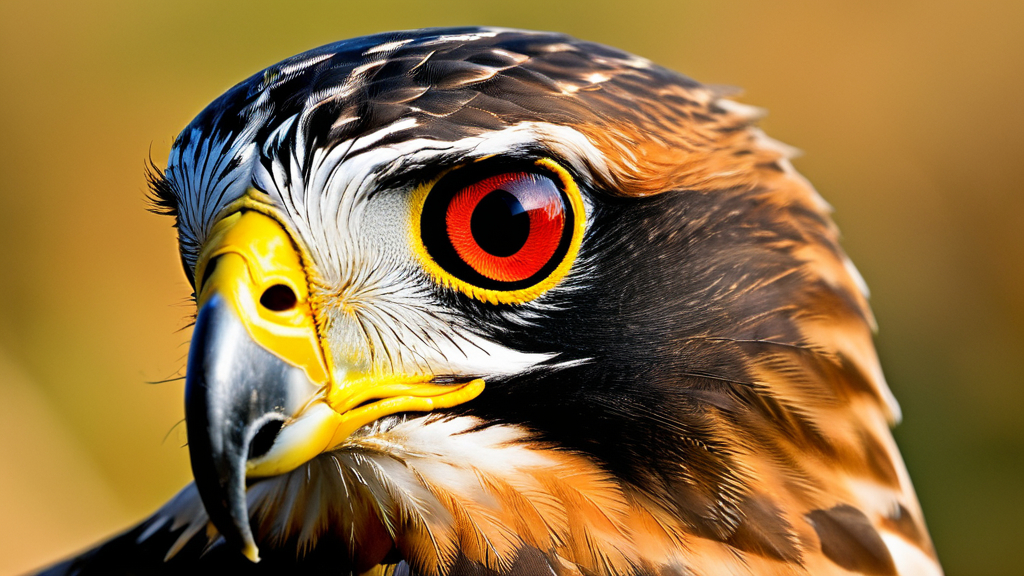
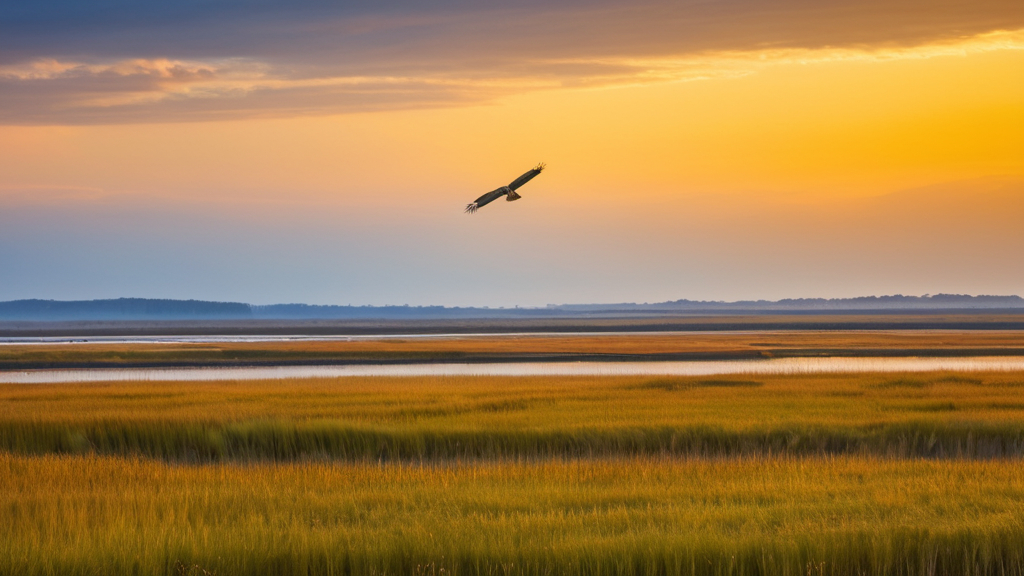
First things first. The Northern Harrier has a face that kind of looks like an owl’s. This isn’t just for show. That facial disk helps them hear better. Yeah, you heard right! They use sound to hunt. Gliding low over marshes and fields, they’re on the lookout for mice and voles. Sneaky and effective.
Low Flyers
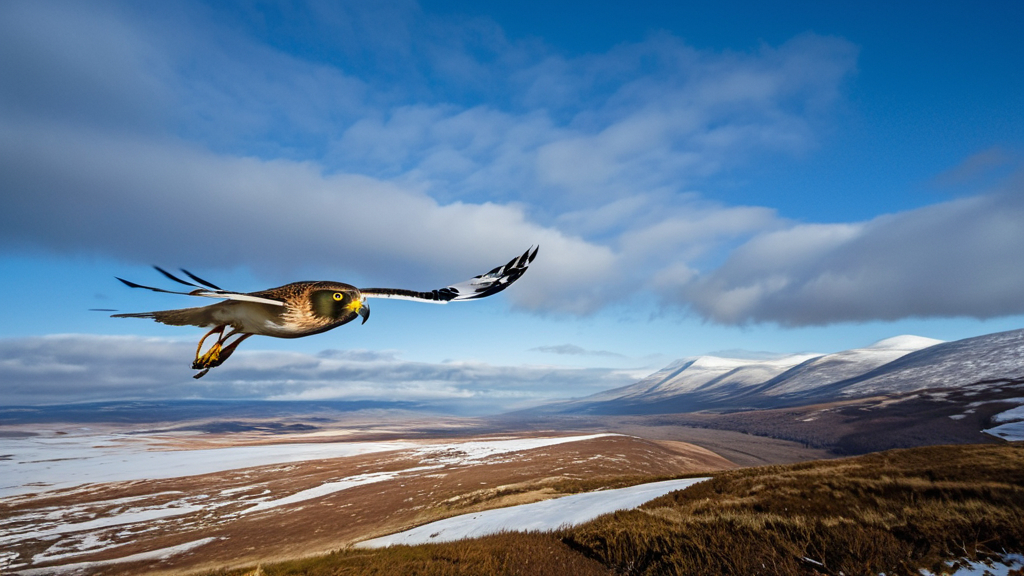
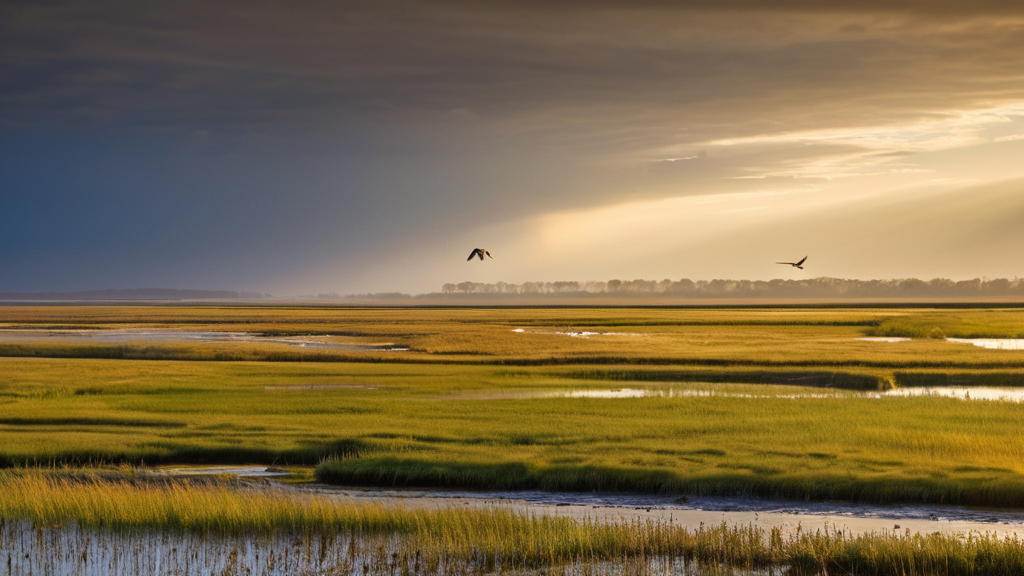
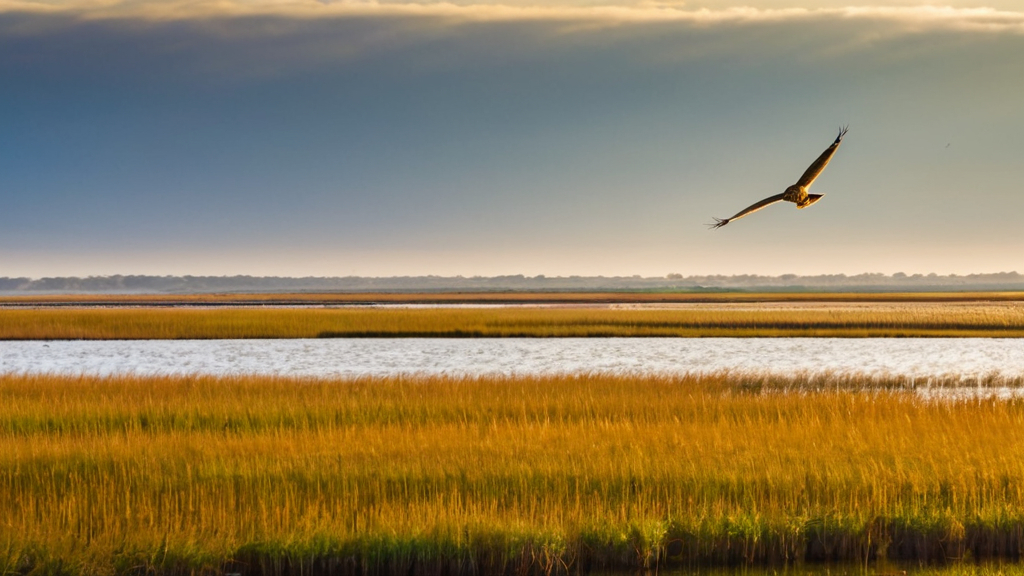
You won’t catch a Northern Harrier soaring high like an eagle. Nope. These birds stay close to the ground. Skimming just above the grasses, they have a perfect view of their prey. This low flight also helps them stay under the radar. Literally. Less visible to both prey and predators.


Fashion Forward
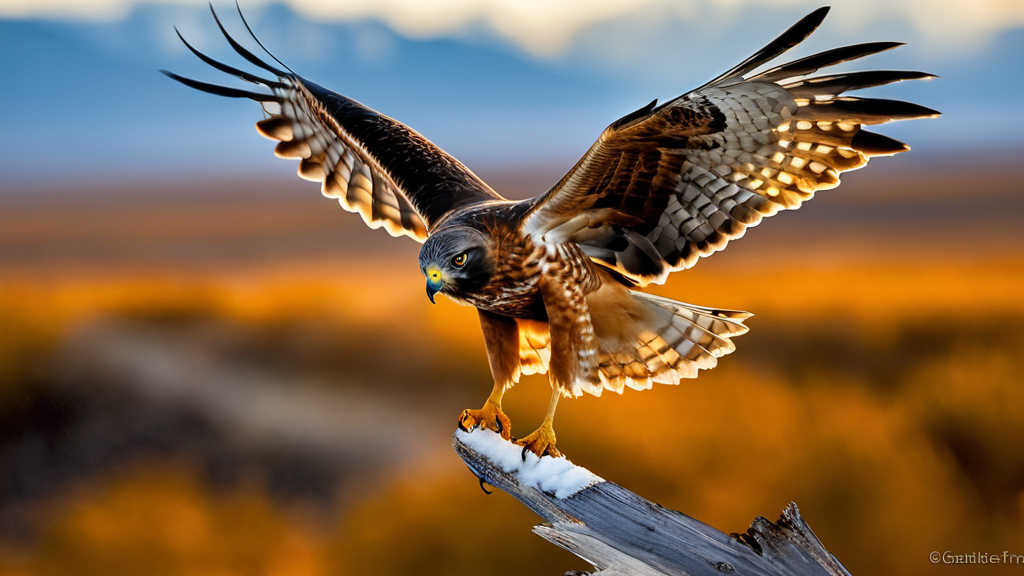
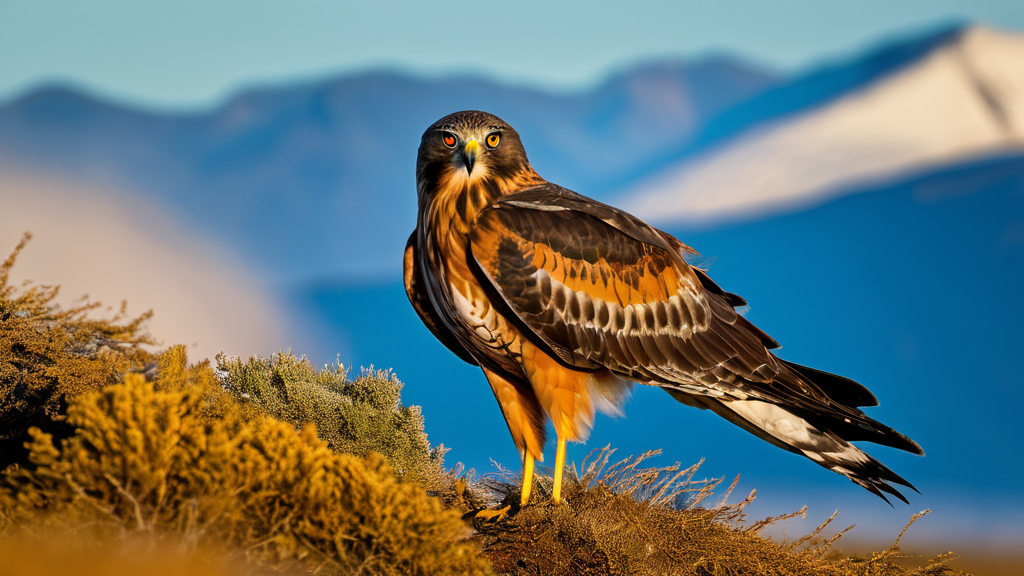
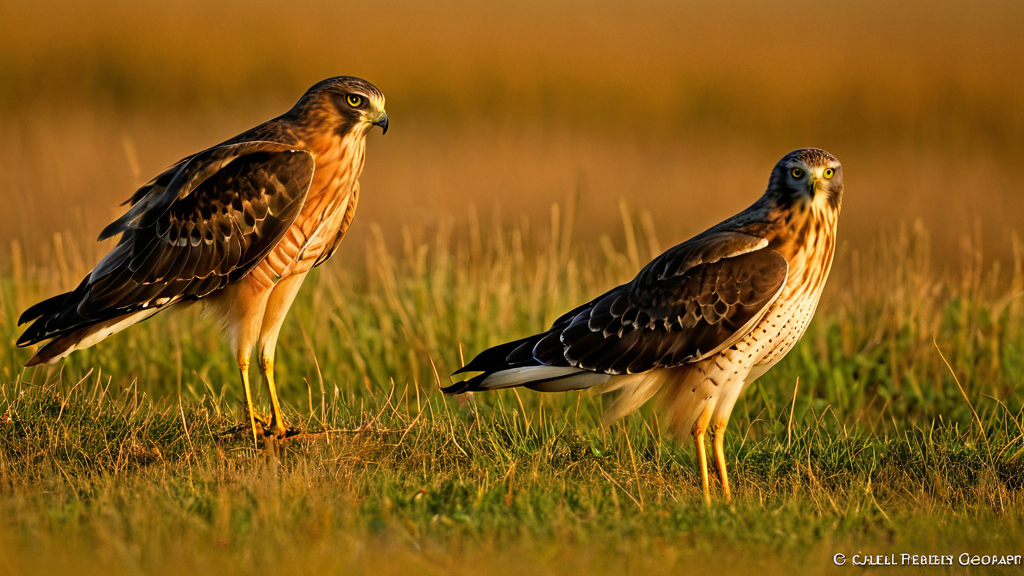
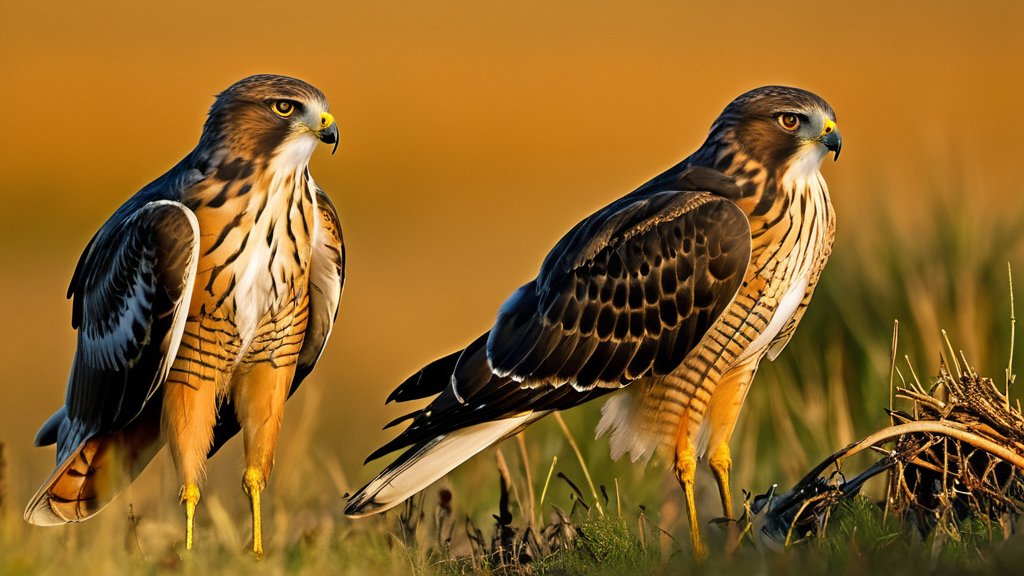
Northern Harriers have some serious style. Males are a sleek gray with black wingtips. Females and juveniles rock a brown look with streaks. And that white rump patch? It’s like their signature accessory. Makes them easy to identify even from a distance.
Wide Open Spaces
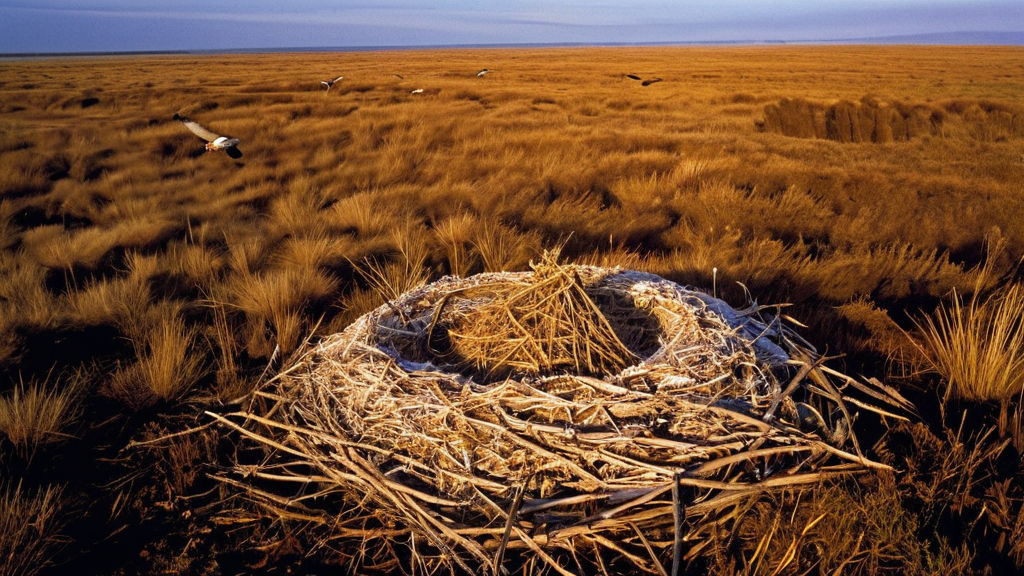
These birds love open habitats. Think marshes, grasslands, and fields. They need a lot of space to hunt. So, you’ll often find them in places where the horizon seems endless. Perfect for spotting those pesky rodents they love to snack on.