Meet the Yellow-rumped Warbler: The Colorful Nomad of the Bird World
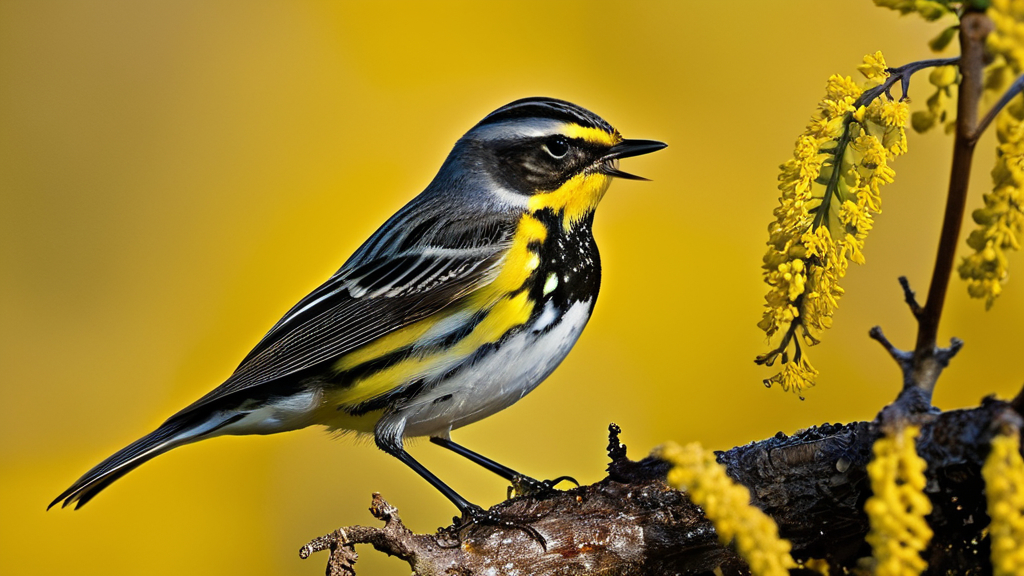
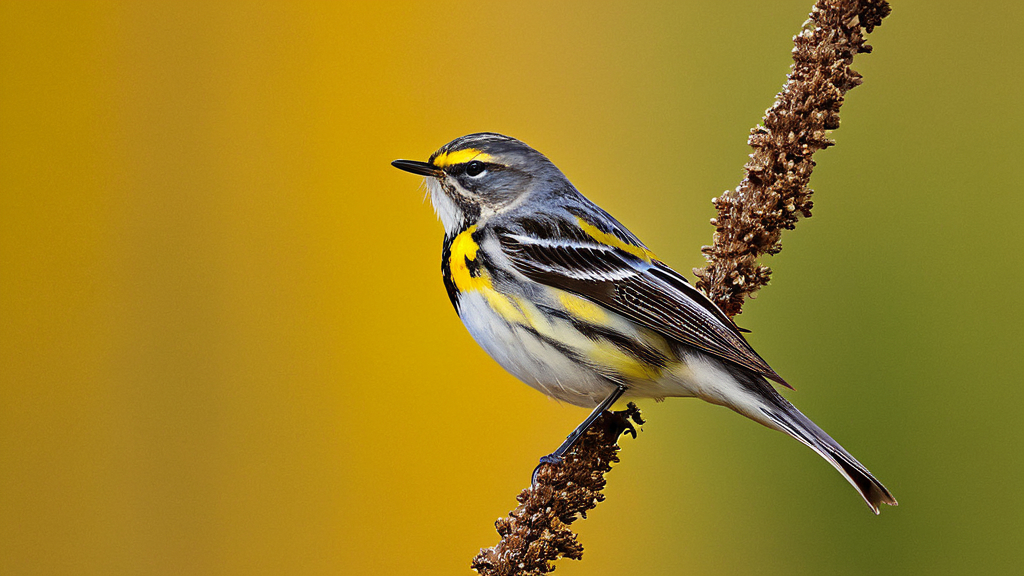
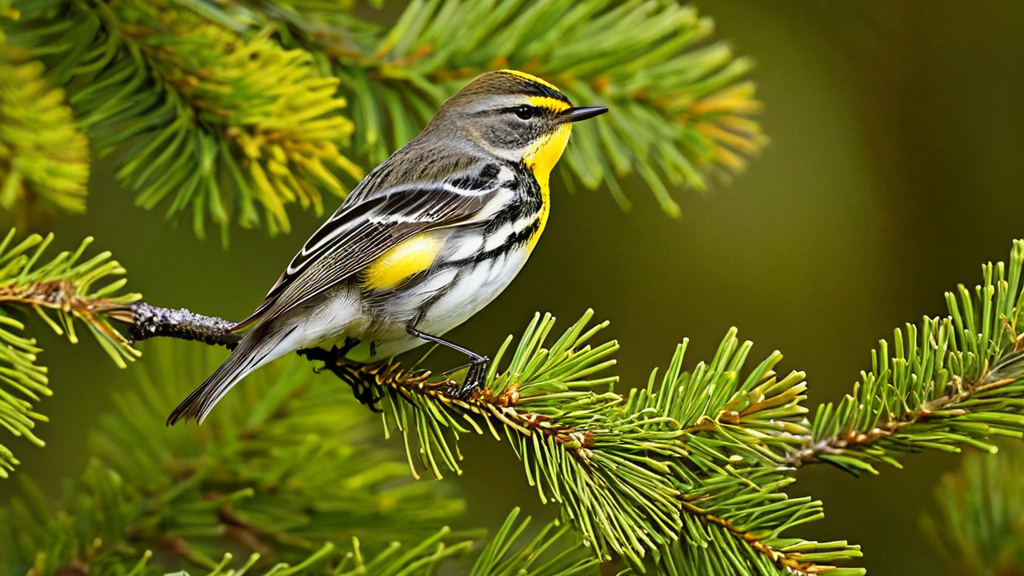
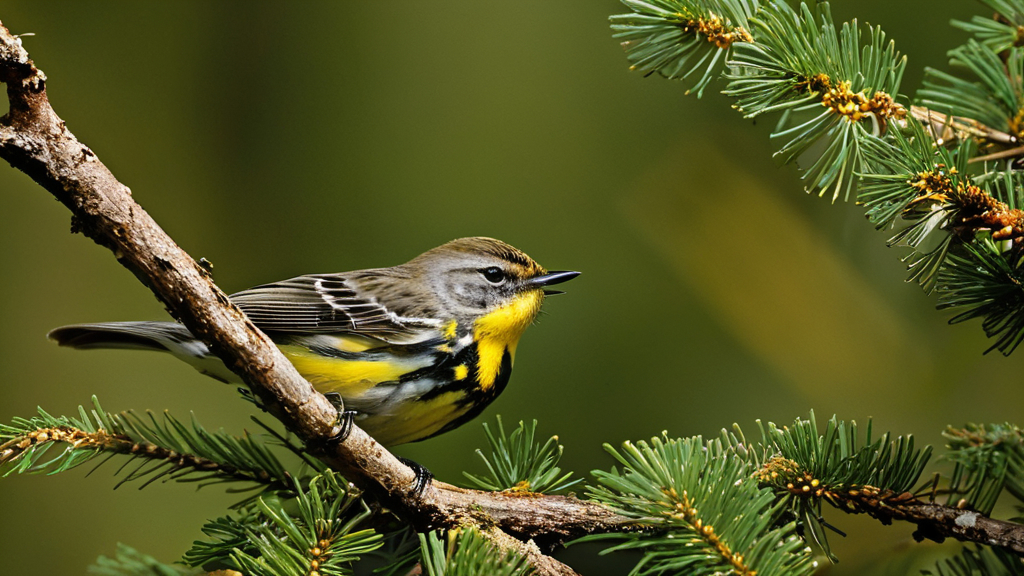
Distinguished by its yellow throat, yellow sides, and bright yellow rump, the Yellow-rumped Warbler is a colorful and adaptable songbird. Found in a variety of habitats, from forests to shrublands, this bird forages for insects and berries, adding a lively presence to its surroundings. Its distinctive “chip” calls and agile movements make it a delight to watch in action.
The Flashy Fashionistas
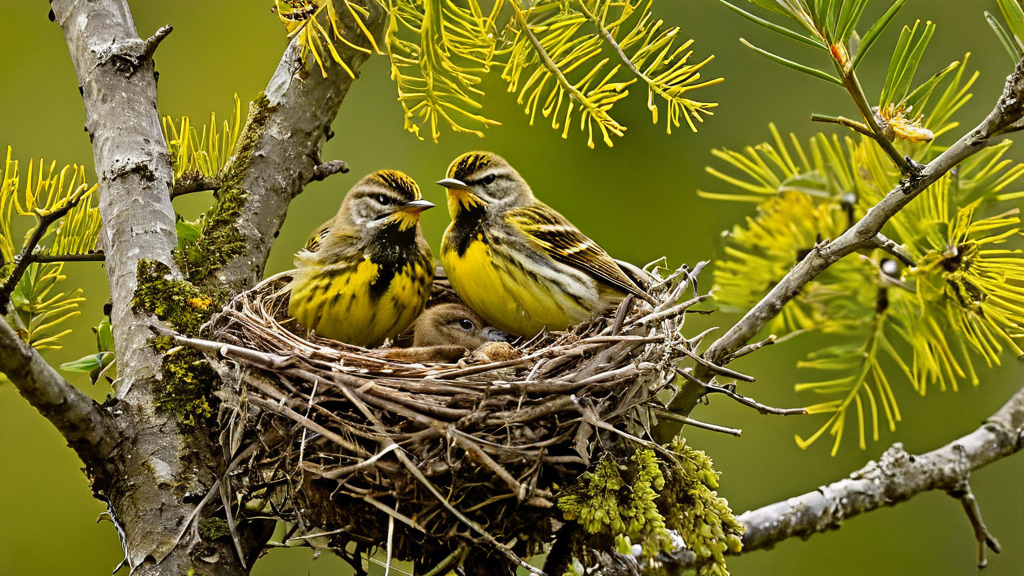
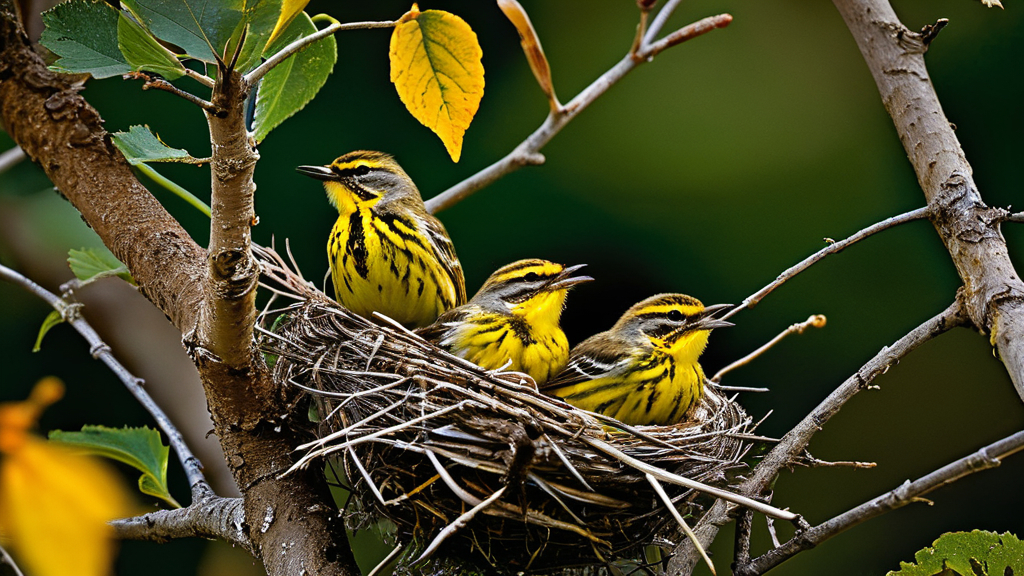
Yellow-rumped Warblers, often called “butter butts” (cute, right?), are known for their distinctive yellow patches on their rumps. They also sport yellow sides and a dash of yellow on their crowns. In their breeding plumage, males are particularly striking with their black and white feathers contrasting beautifully with their bright yellow markings.
Vocal Virtuosos
Not only are they visually striking, but they also have a beautiful song. Their song is a sweet, trilling melody that’s often heard during the breeding season. Their call, a sharp “check,” is common throughout the year, helping birders easily identify them even when they’re flitting about high in the trees.
Yellow-rumped Warbler Song
Foodie Travelers
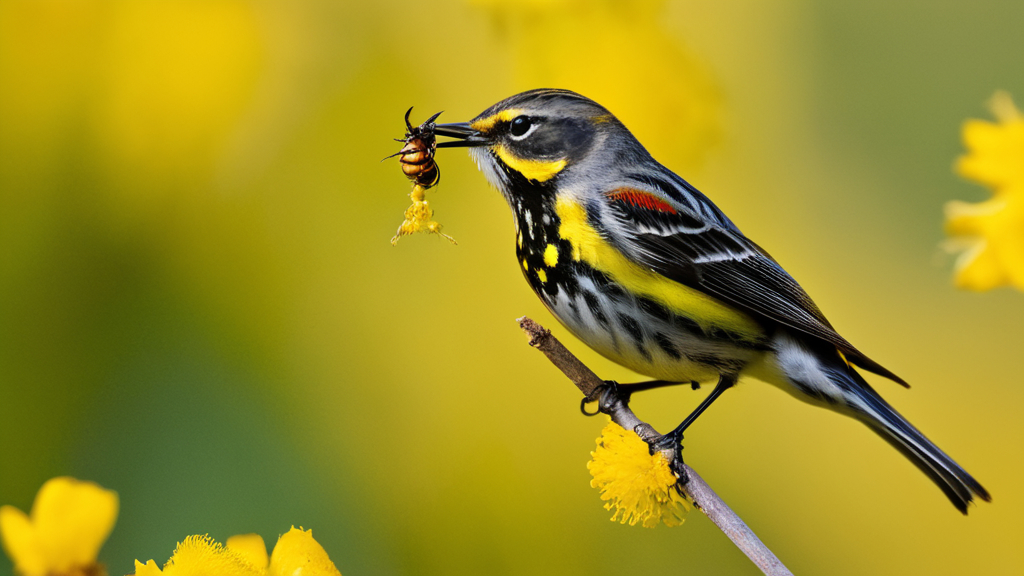
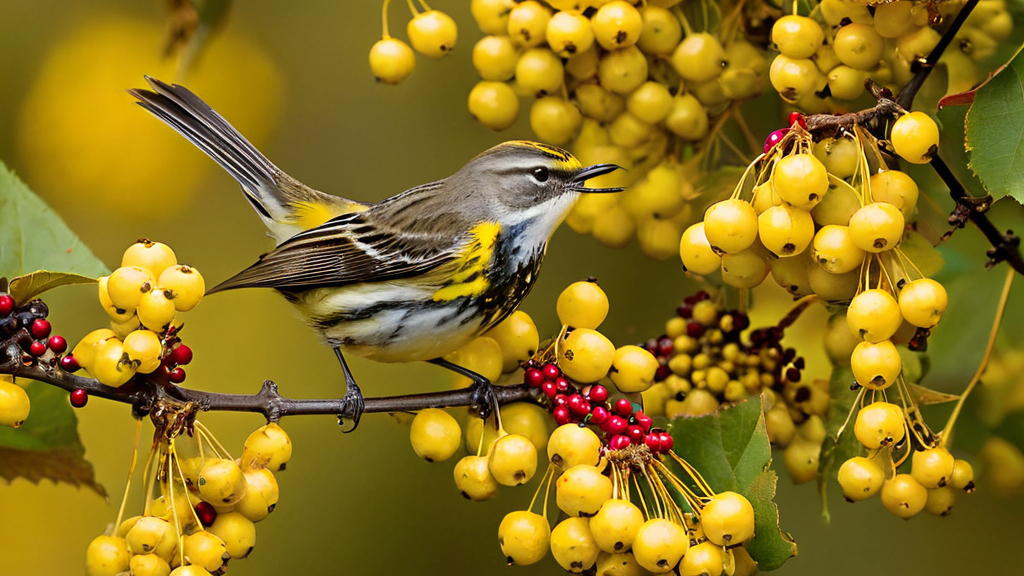
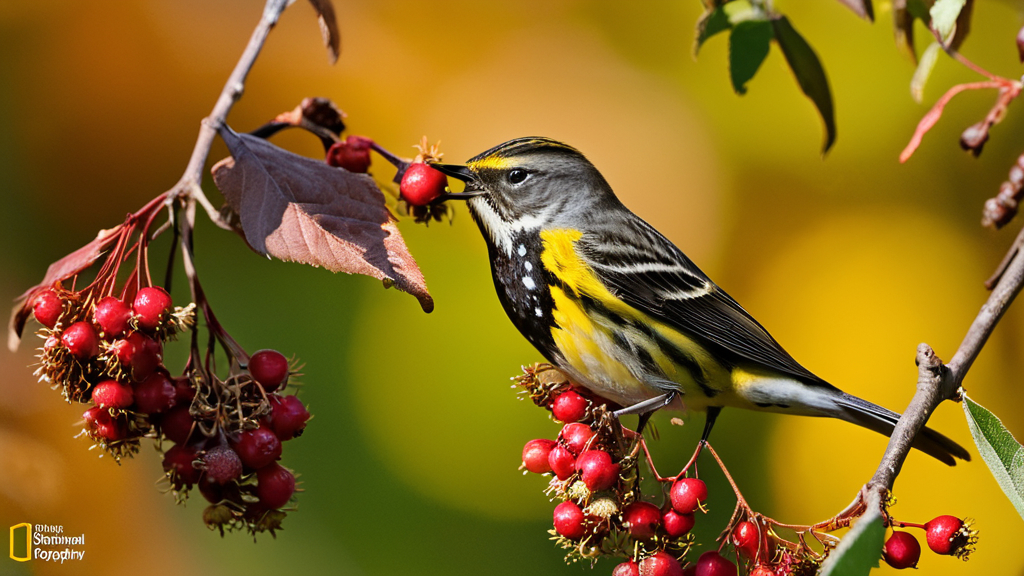
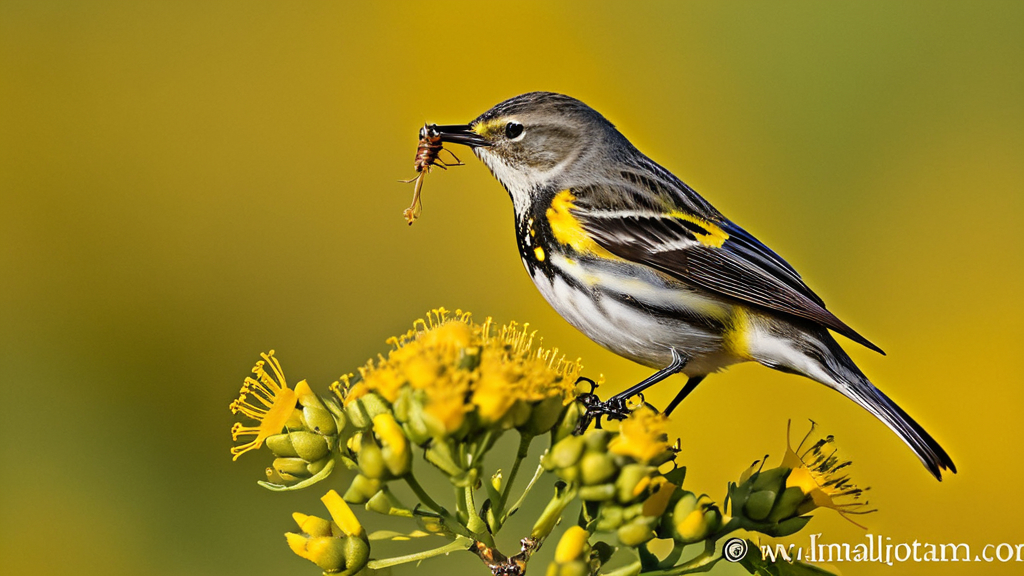
These warblers are quite the foodies. In the summer, they feast on insects, making them great natural pest controllers. As the seasons change, so does their diet. They switch to berries, especially favoring the waxy berries of bayberry and wax myrtle. This unique diet allows them to winter further north than most other warblers. Talk about adaptability!
Habitats Galore
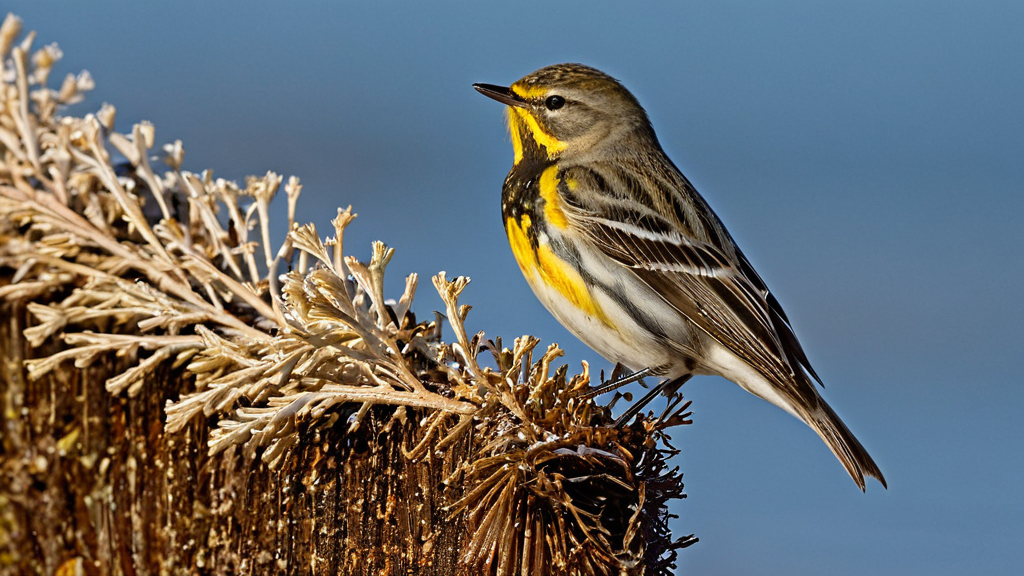
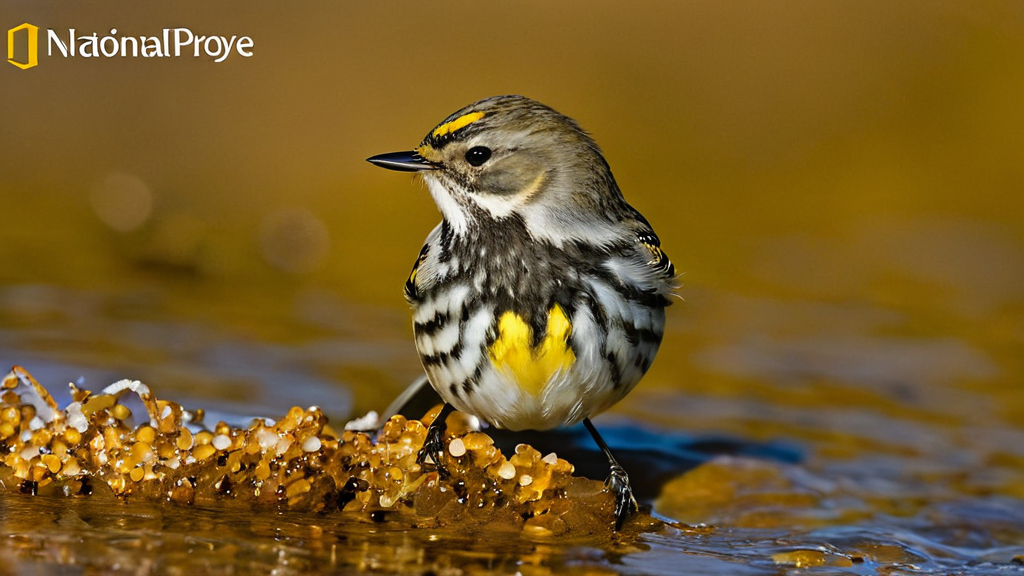
You’ll find Yellow-rumped Warblers in a variety of habitats. From coniferous forests in the summer to open woods, gardens, and even beaches in the winter, these birds are true nomads. Their ability to thrive in diverse environments makes them one of the most widespread warblers in North America.
Migration Marvels
When it comes to migration, Yellow-rumped Warblers are champs. They cover impressive distances during their journeys. In the fall, they head south to the southern United States, Mexico, and Central America. Come spring, they make their way back north to breed in Canada and the northern U.S. Watching these little guys on the move is a real treat for birdwatchers.
Nesting Ninjas
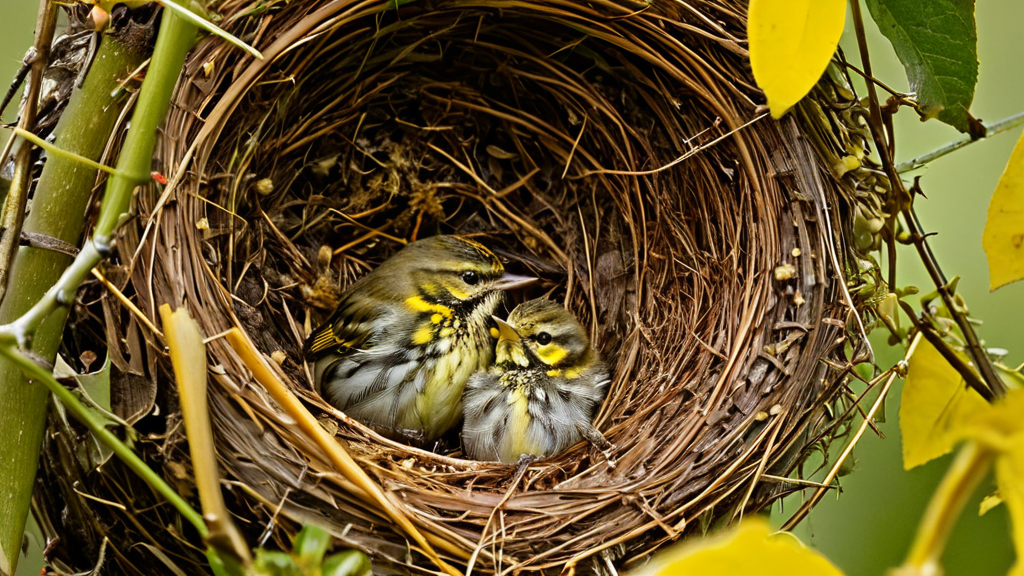
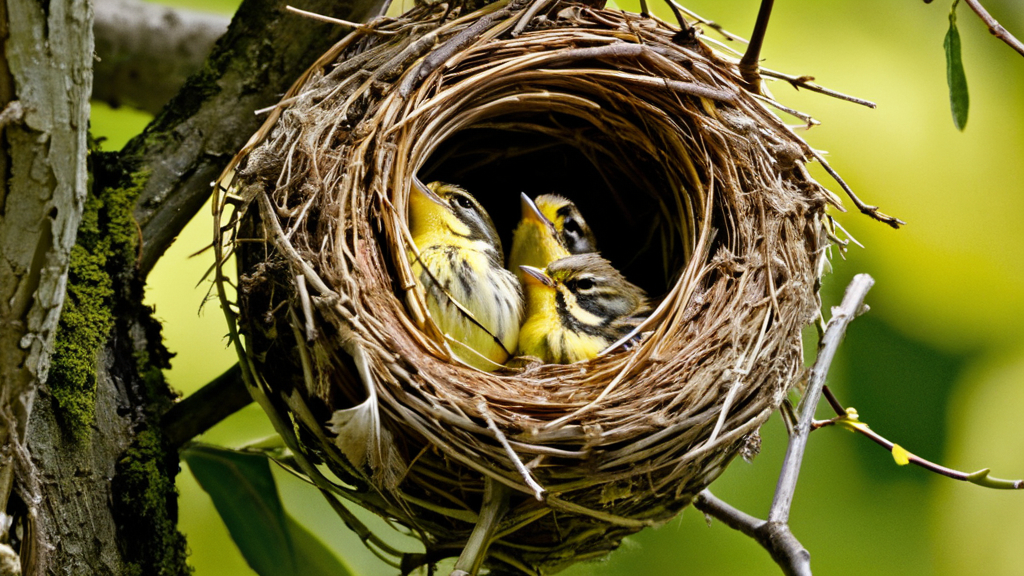
Yellow-rumped Warblers build their nests in conifer trees, usually at heights of 4 to 50 feet. The female takes the lead in nest building, creating a cup-shaped nest out of twigs, grasses, and feathers. These nests are well-hidden, offering protection for their eggs and chicks from predators.