American White Pelican: Majestic Glider of the Skies
Hey there, bird enthusiasts! Today we’re diving into the world of one of the most impressive birds of the USA: the American White Pelican. These massive, graceful creatures are a sight to behold, gliding through the air and skimming across water surfaces with ease.
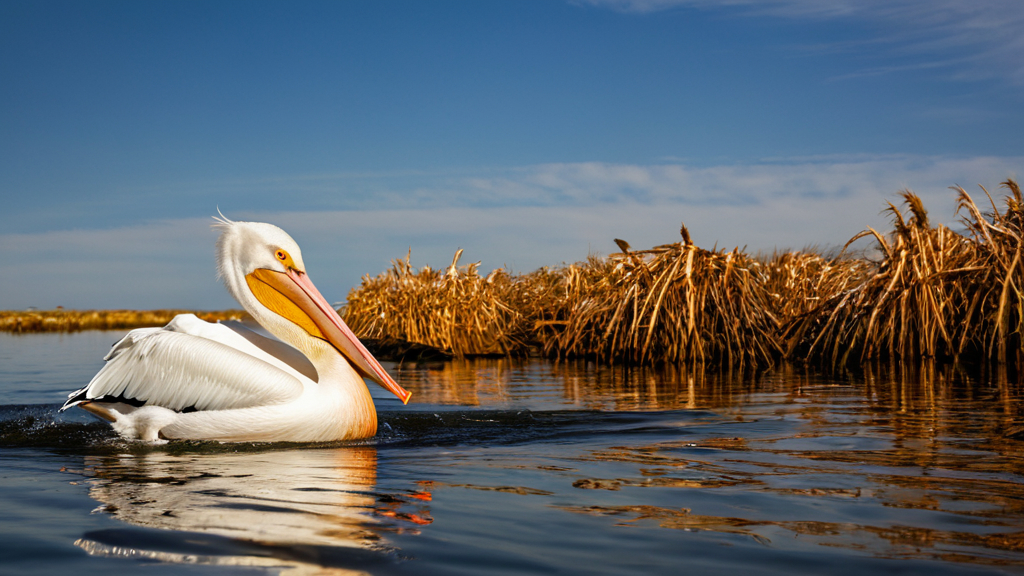

Big Birds, Bigger Presence
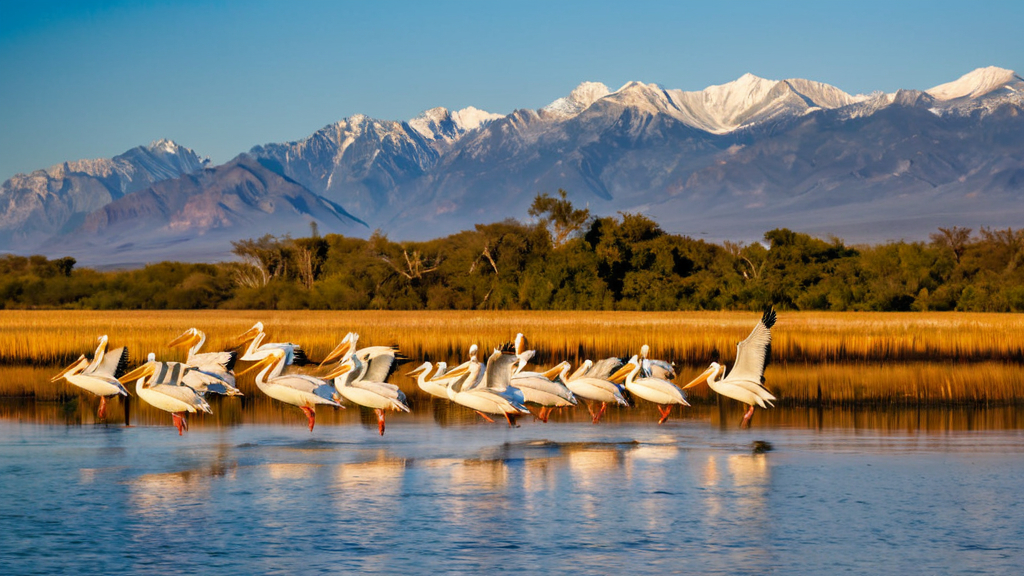
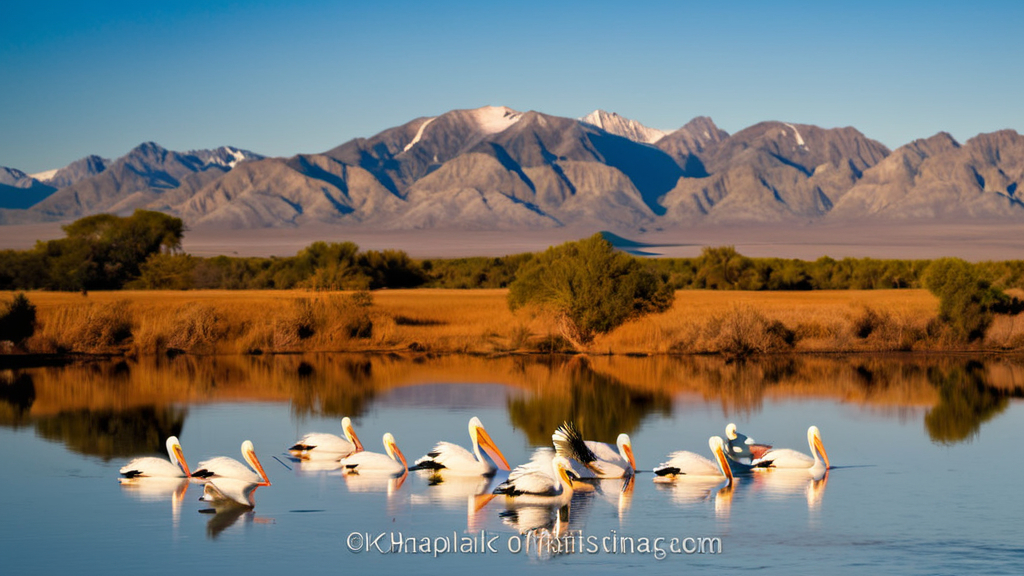
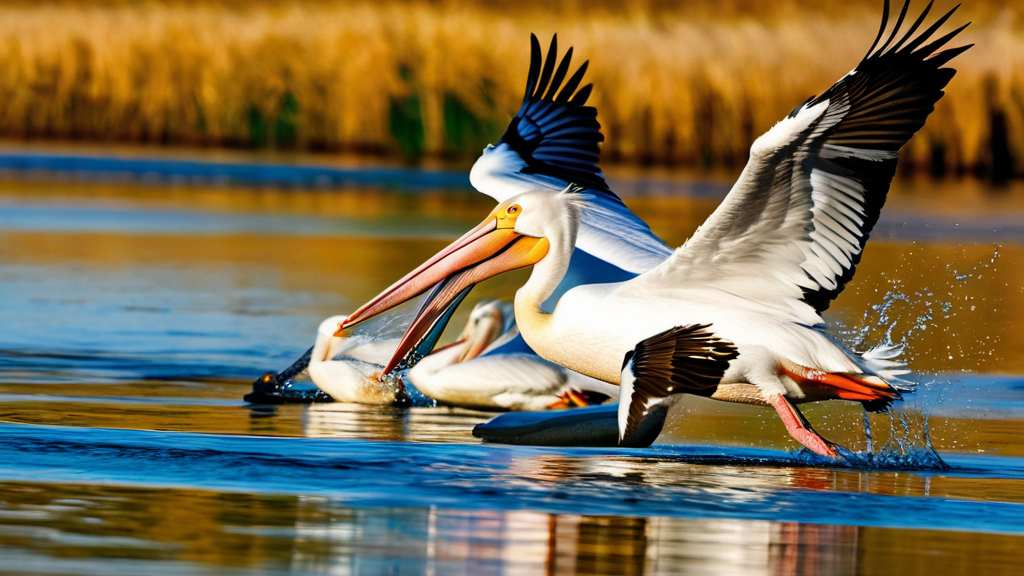
American White Pelicans are hard to miss. With a wingspan that can reach up to nine feet, these birds command attention. Their bright white plumage contrasts beautifully with their black flight feathers, making them look even more striking against a blue sky or calm lake.
Graceful Gliders
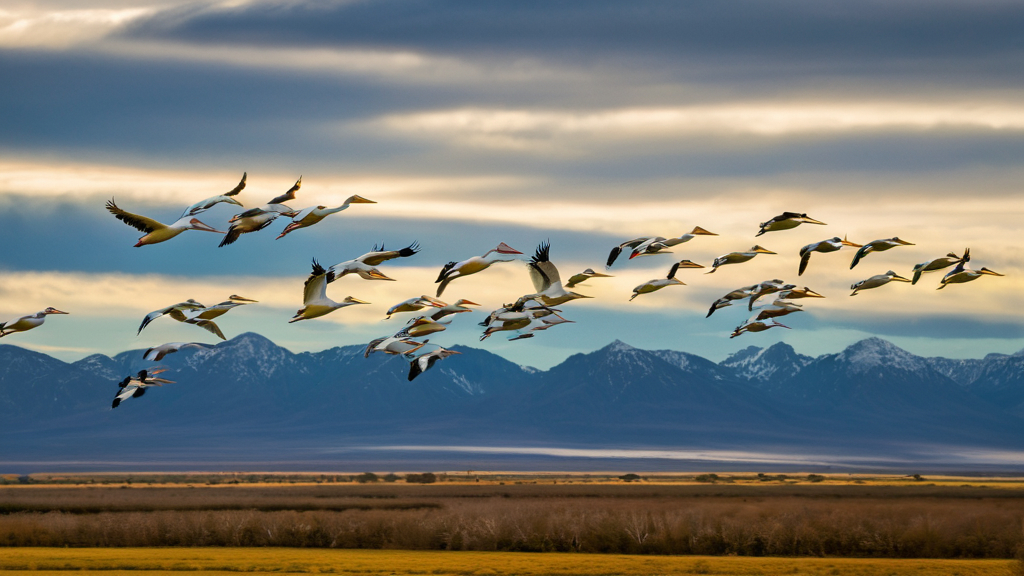
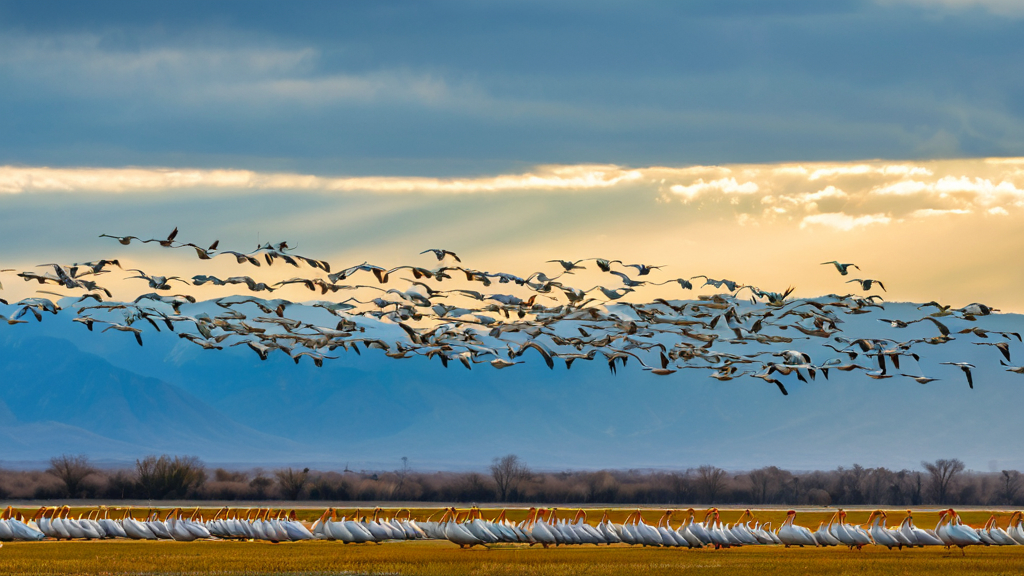
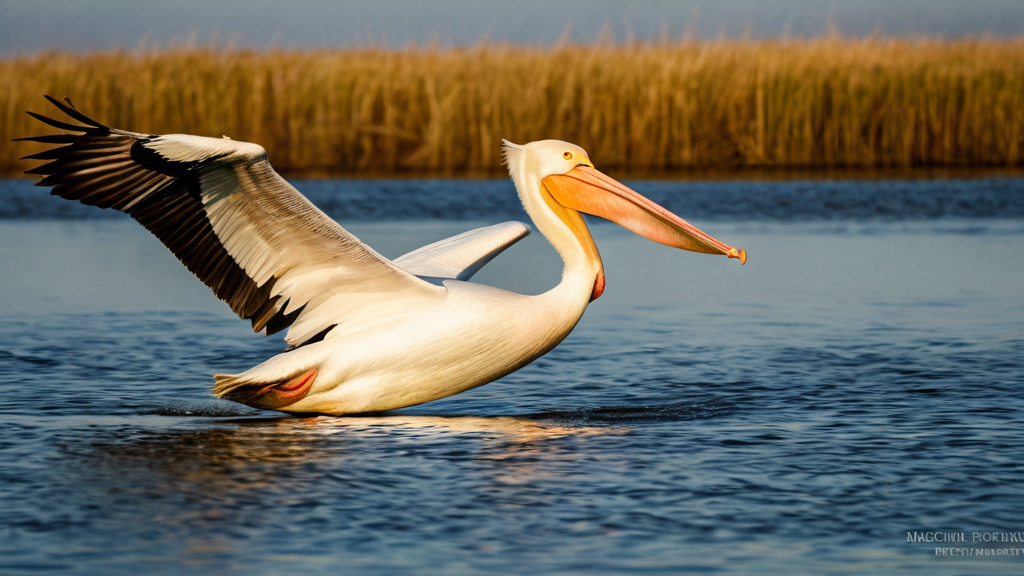
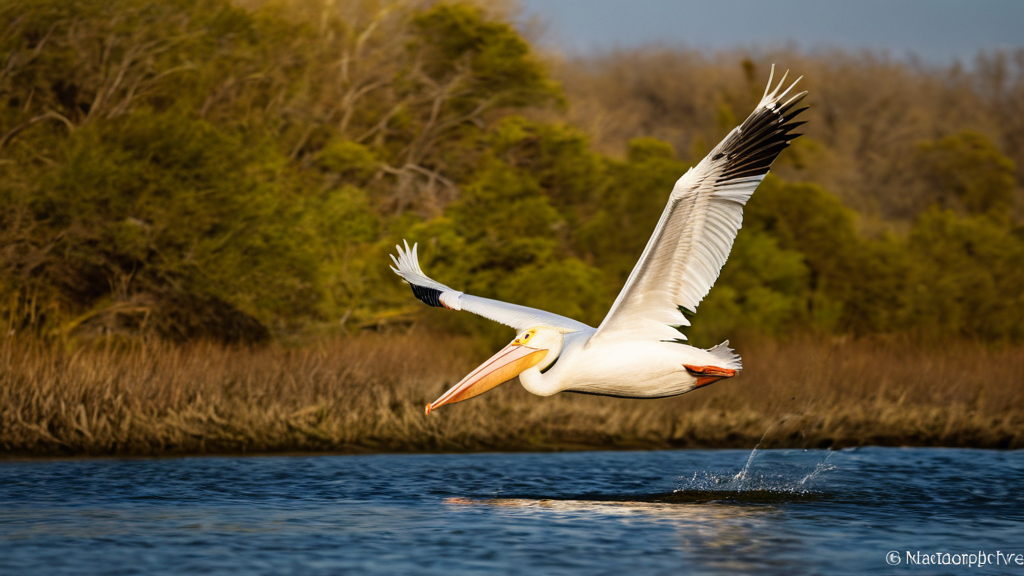
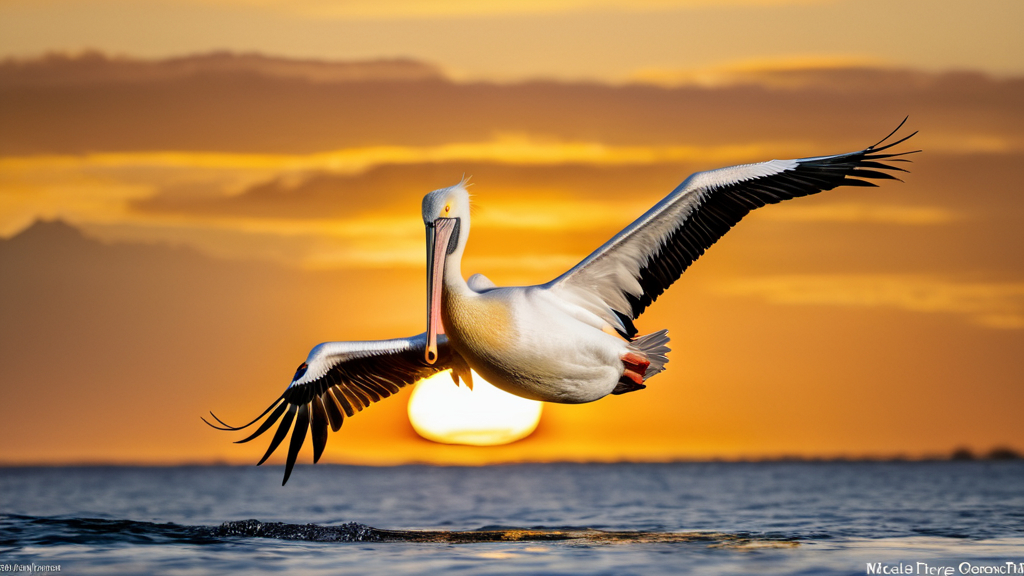
Despite their size, these pelicans are incredibly graceful in flight. They use thermal updrafts to soar effortlessly, conserving energy as they glide over long distances. Watching a group of American White Pelicans in flight is like seeing a ballet in the sky. Pure magic.

Team Players
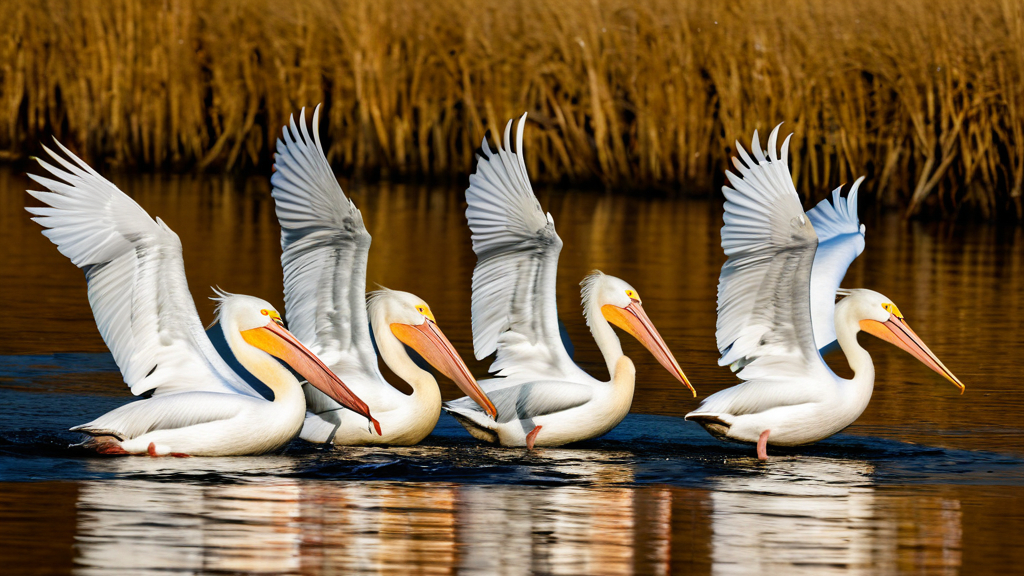
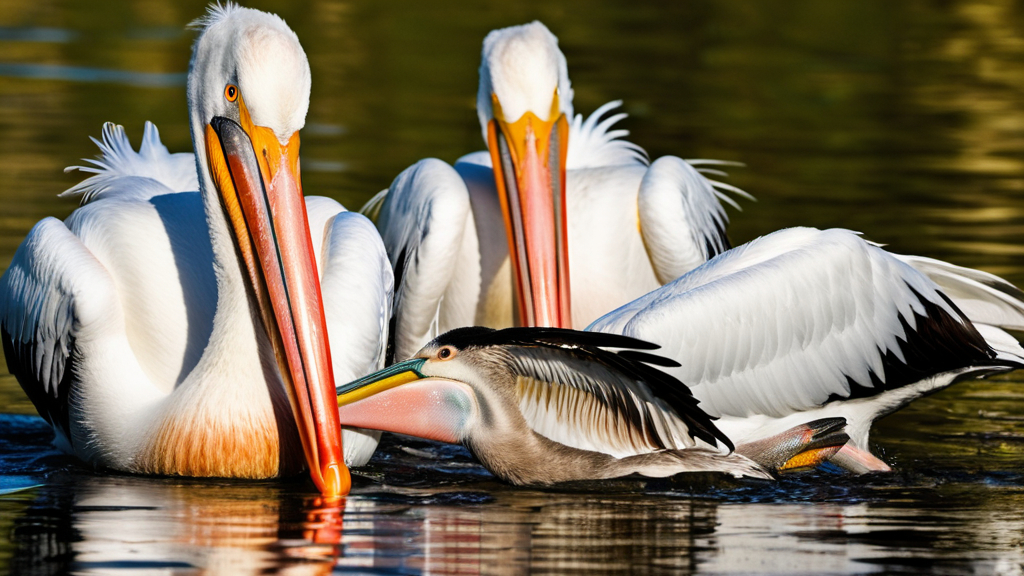
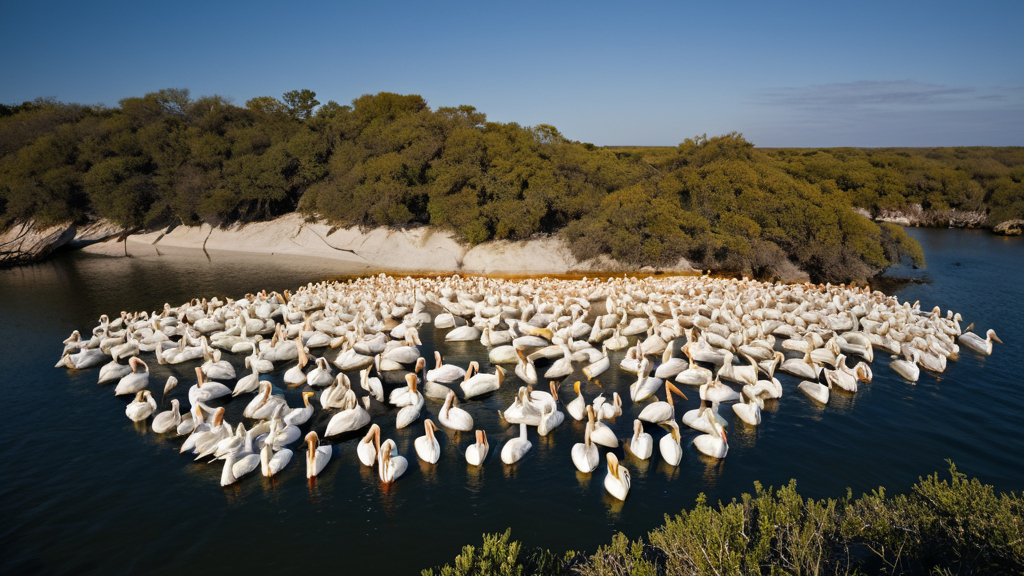
One of the coolest things about American White Pelicans is how they fish. Unlike their solo-hunting relatives, these pelicans are team players. They work together to herd fish into shallow waters, then scoop them up with their massive bills. It’s a coordinated effort that showcases their intelligence and cooperation.

Unique Bills
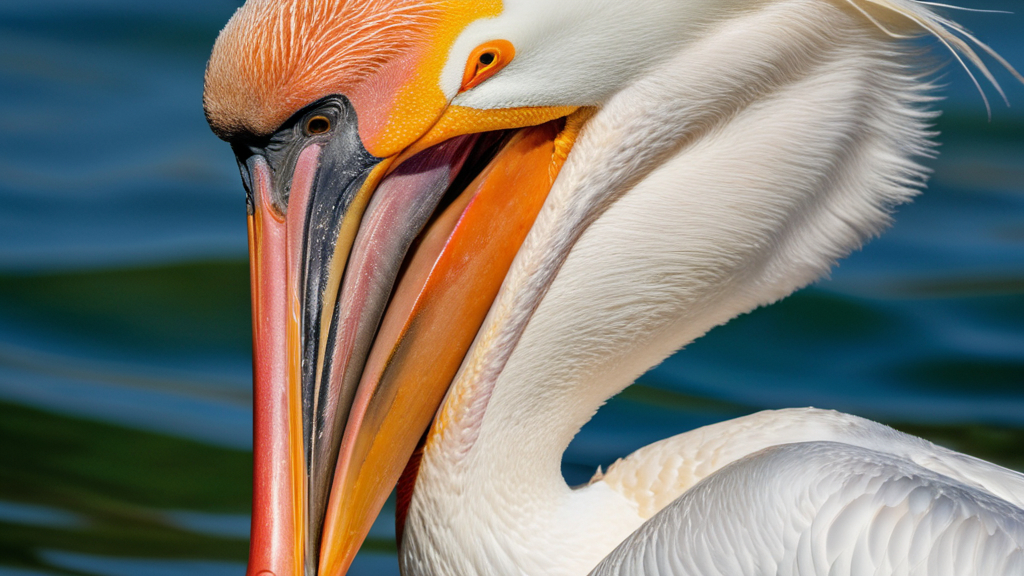
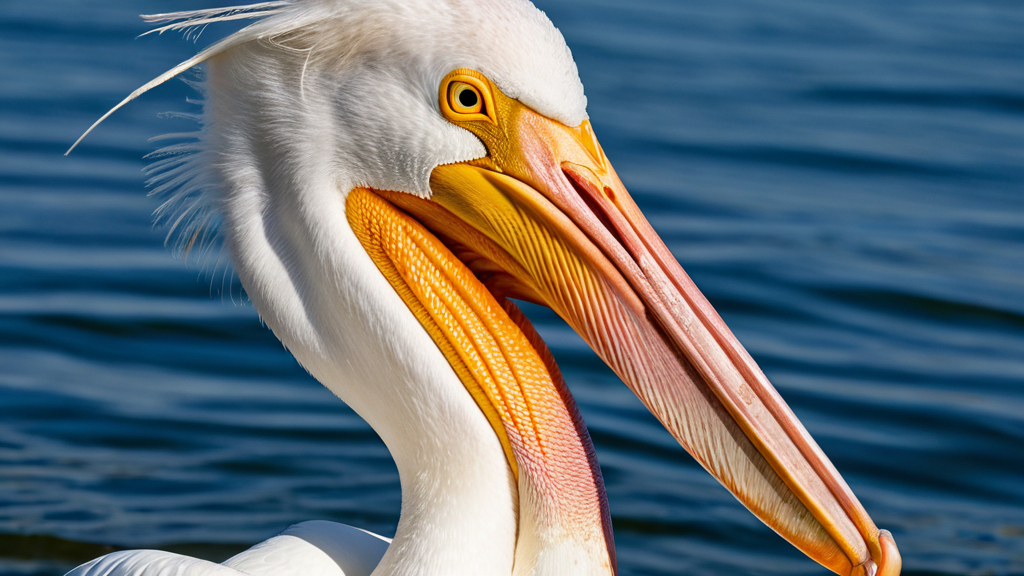
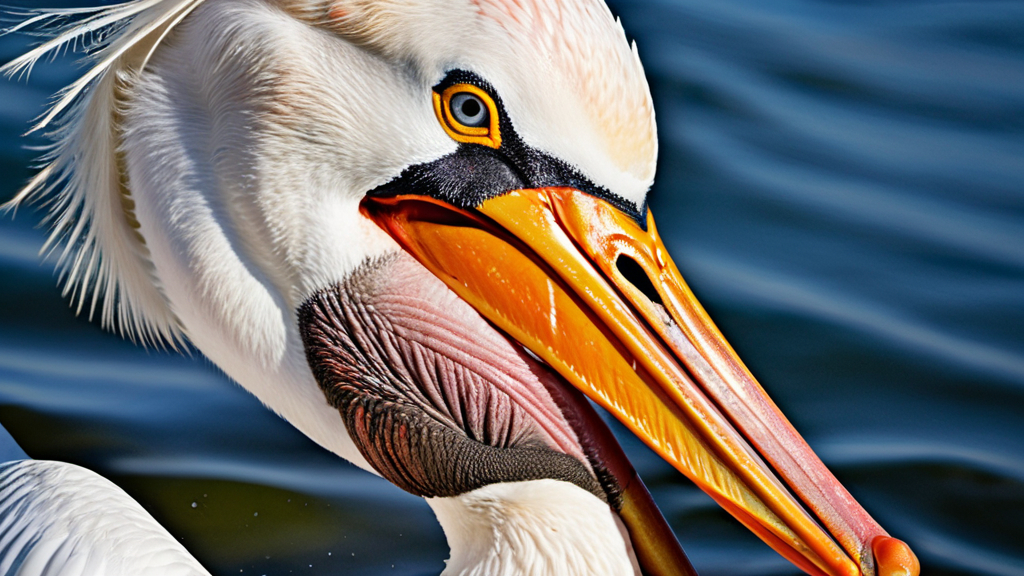
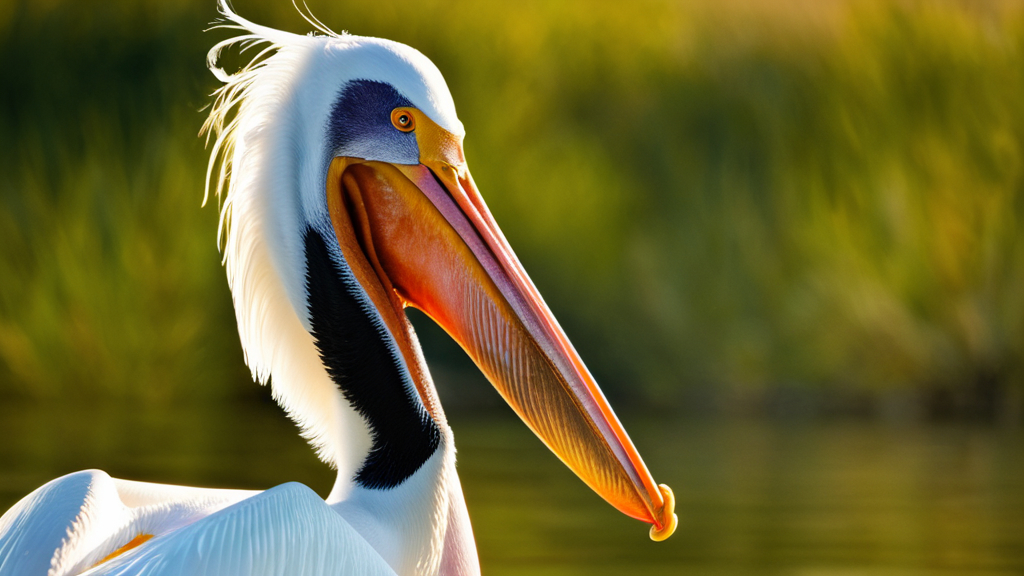
Speaking of bills, let’s talk about that iconic pelican feature. The American White Pelican’s bill is not just for show. It has a stretchy pouch that can hold up to three gallons of water and fish. During the breeding season, they even grow a temporary, fibrous plate on the top of their bills, which adds to their unique look.
Breeding and Nesting
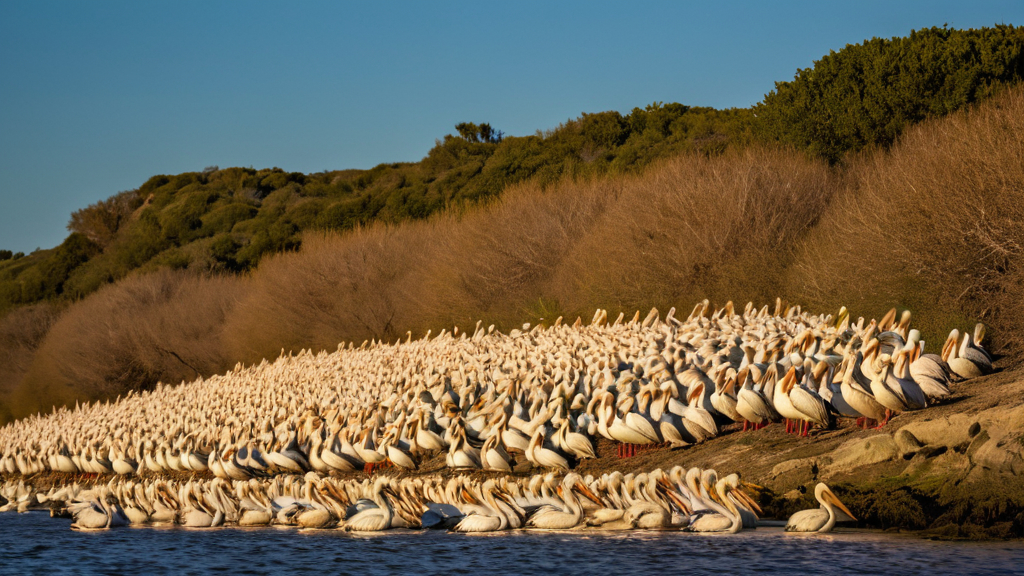
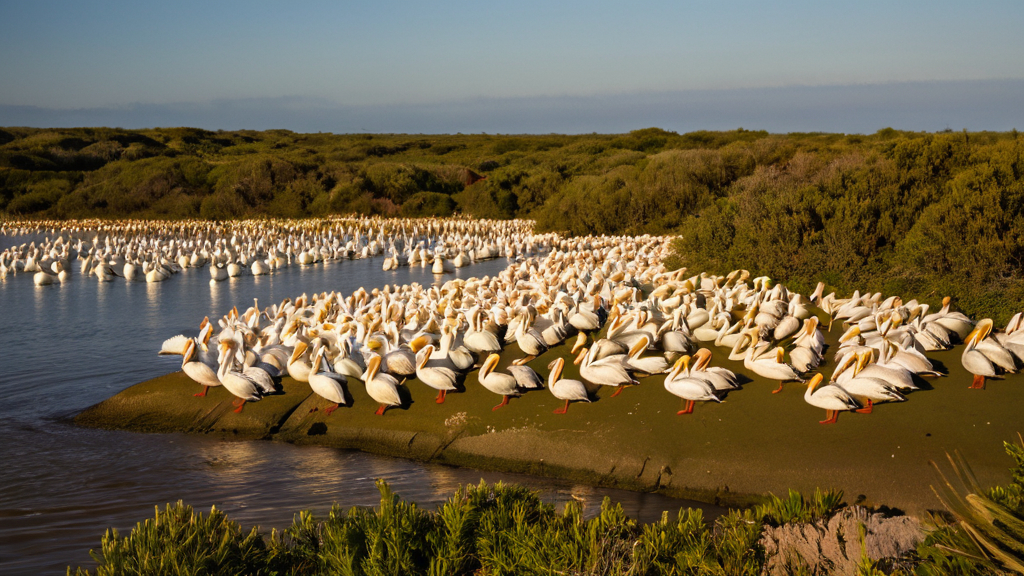
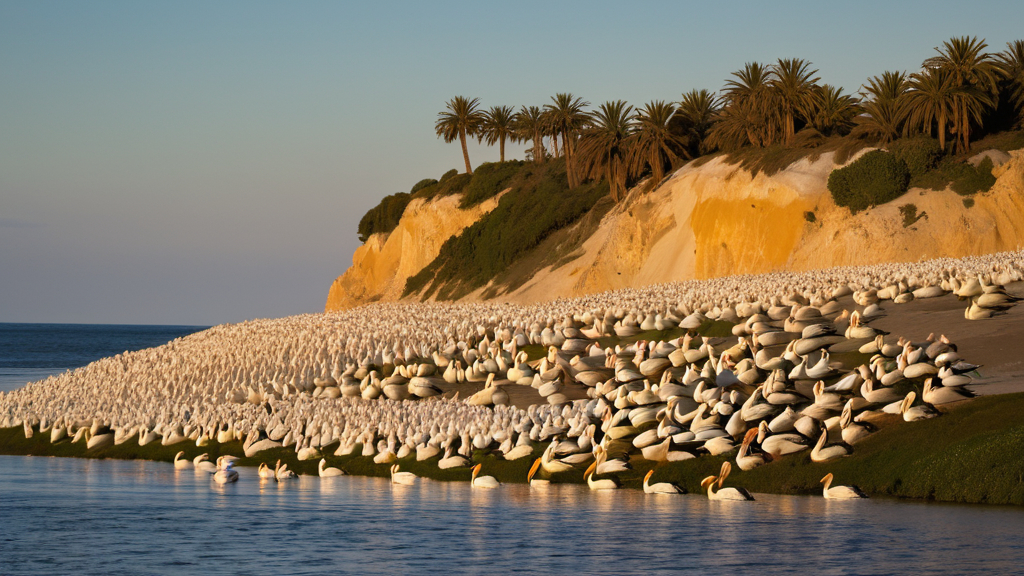
American White Pelicans are all about community when it comes to breeding. They nest in colonies on remote islands in lakes and rivers, which helps protect their eggs and chicks from predators. Their nests are simple scrapes in the ground, lined with a bit of vegetation to keep things cozy.
Migratory Marvels
These pelicans are true migratory marvels. They spend their summers in the northern parts of the USA and Canada, then head south to the Gulf of Mexico and Central America for the winter. This migration is an incredible journey that highlights their adaptability and endurance.