Mallard Duck: The Iconic Waterfowl of the USA

One of the most recognizable waterfowl, the Mallard Duck is a staple of ponds, lakes, and rivers across North America. The male’s glossy green head and distinctive quack make it a familiar sight, while its omnivorous diet and adaptability help it thrive in a variety of aquatic environments, from the wild to city parks.
Quack-tastic Personalities

Mallards are not just any ducks. They are the quintessential ducks that probably come to mind when you think about these feathered friends. Their loud quacks, especially from the females, are a signature sound in many watery habitats. Ever heard that classic “quack-quack”? Yep, that’s likely a mallard lady!

Feathered Fashionistas

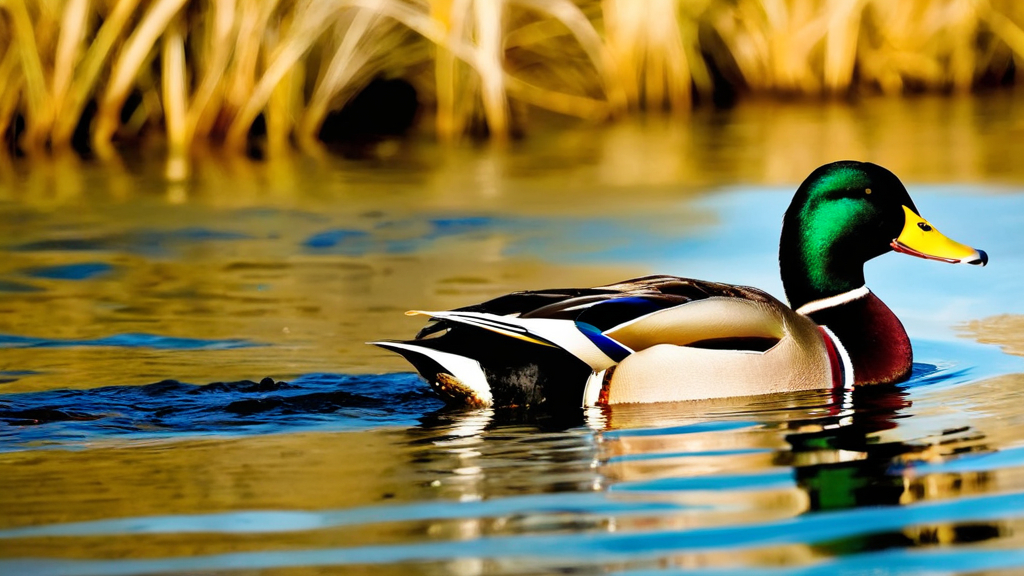
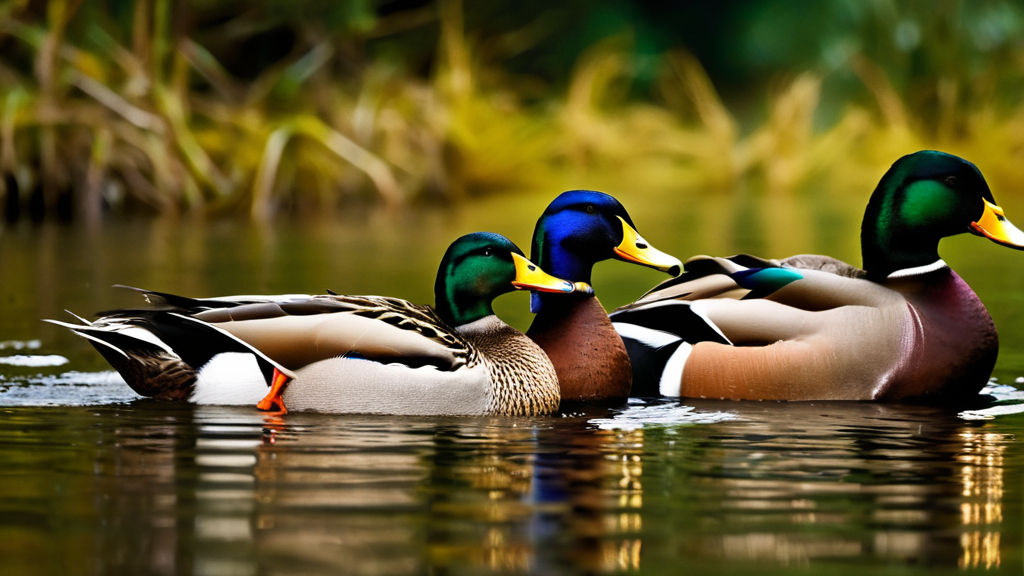
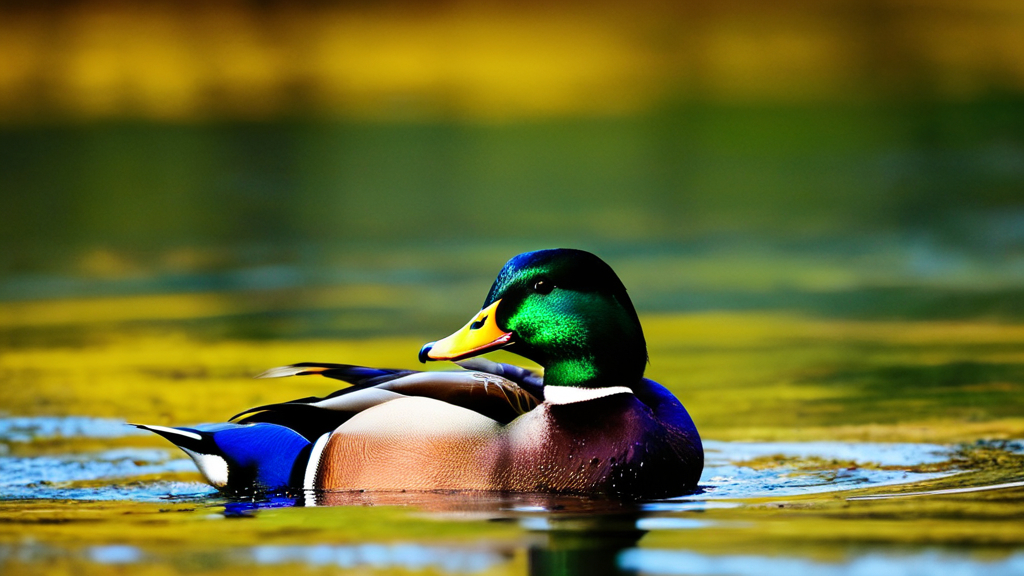
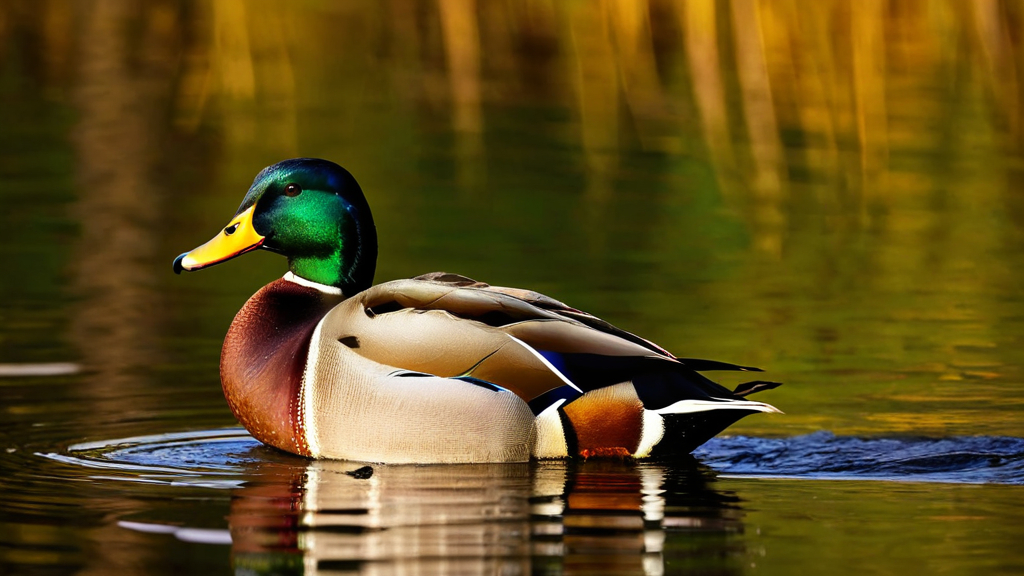
When it comes to looks, mallards are truly the fashionistas of the duck world. The males, or drakes, are particularly striking with their glossy green heads, bright yellow bills, and purplish-blue patches on their wings. The females, while more understated in mottled brown, have an elegance all their own. Together, they make quite the dapper duo.

Life on the Water

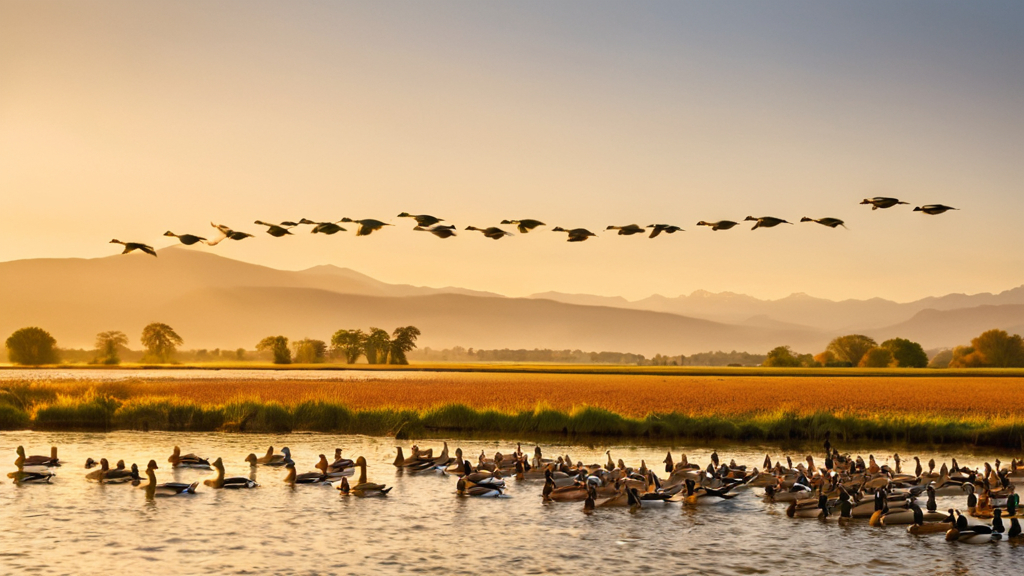
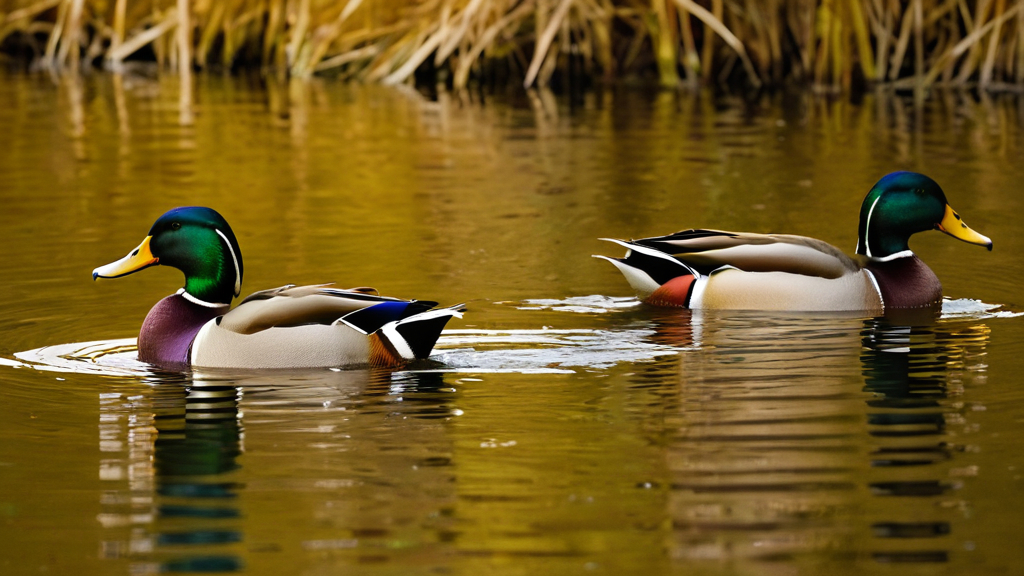
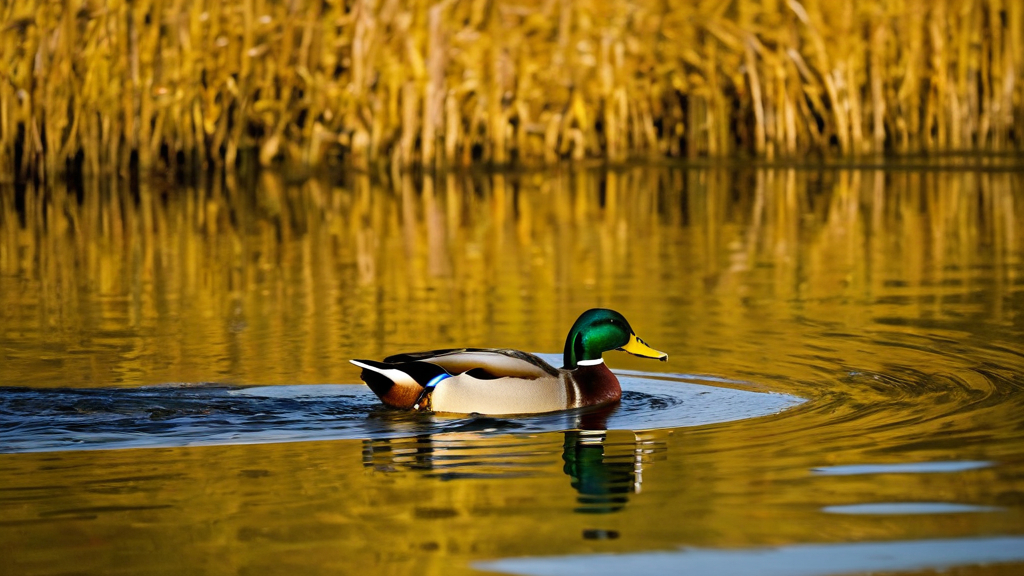
Mallards are perfectly adapted to life on the water. With their webbed feet, they are excellent swimmers and can navigate ponds, lakes, and rivers with ease. They’re often seen dabbling – tipping forward in the water to feed on aquatic plants, insects, and small fish. It’s a fun sight to see their tail feathers sticking up in the air as they search for snacks!
Family Matters

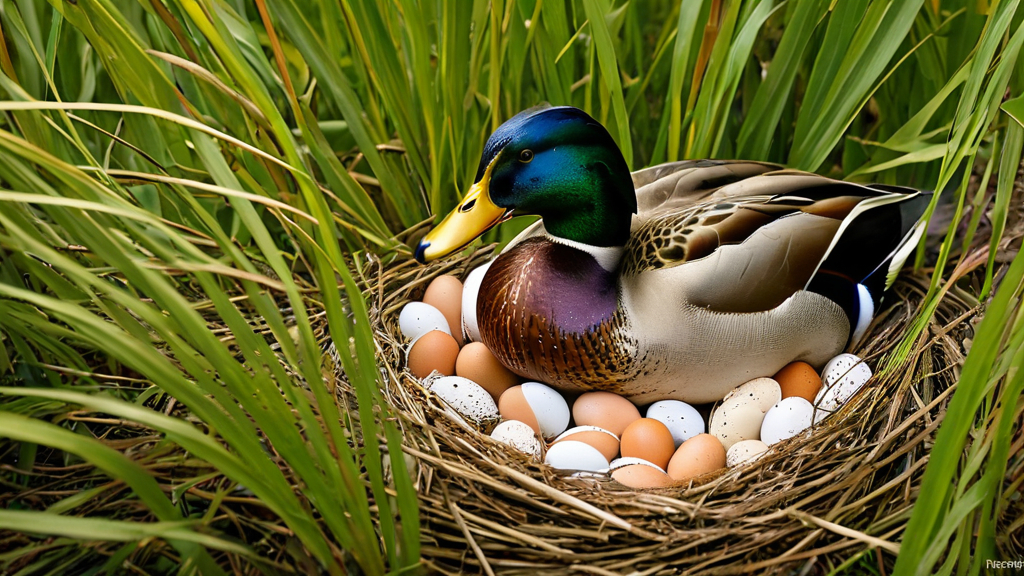
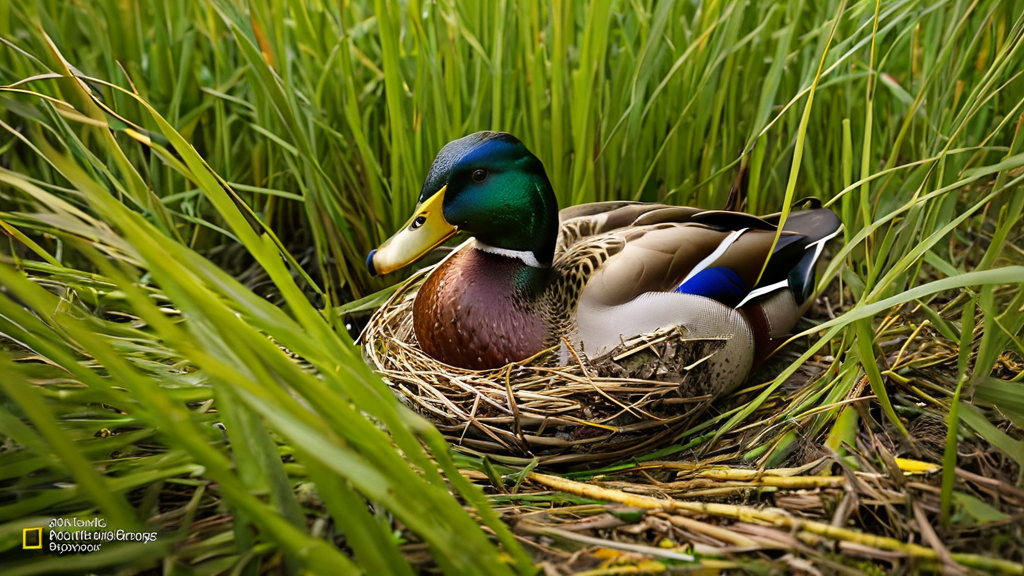
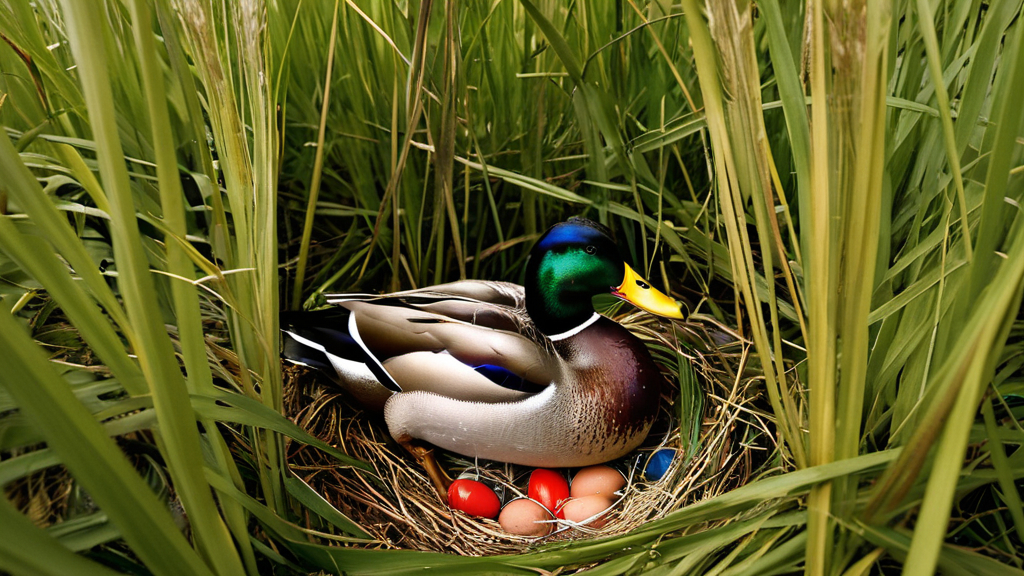
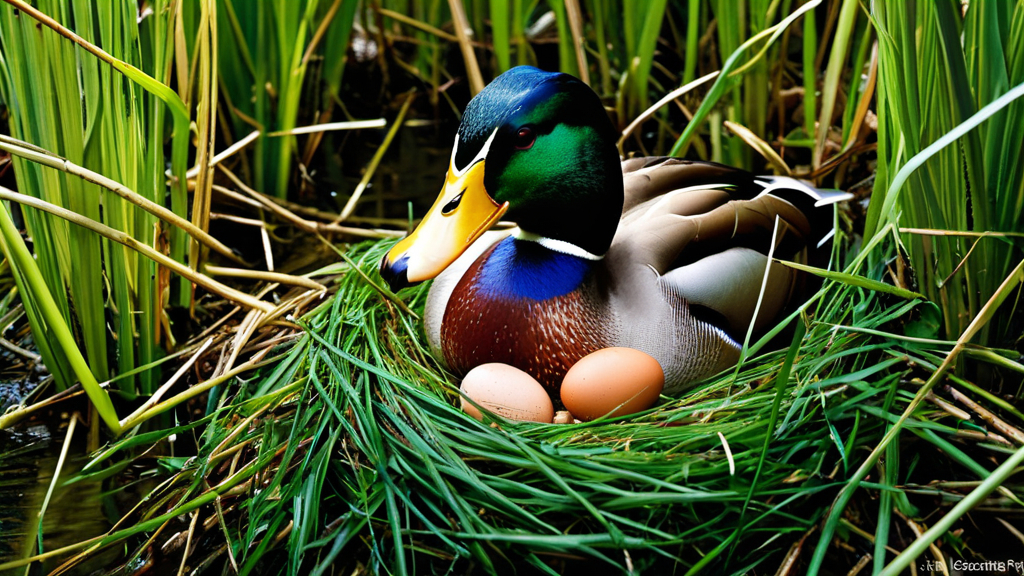
Mallards are also known for their strong family bonds. After pairing up, the female will usually lay around a dozen eggs and take great care in nesting. These nests are often hidden in tall grass or reeds to protect the eggs from predators. Once the ducklings hatch, it’s a family affair. You’ll often see the mother leading her fluffy, yellow offspring to water, teaching them the ways of the duck world.

Urban Adaptation

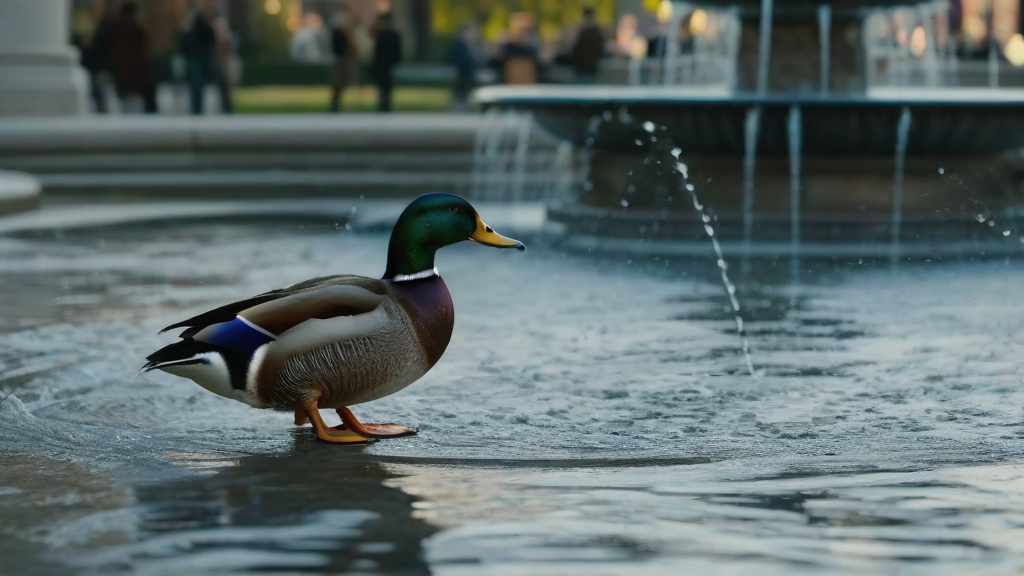
One of the coolest things about mallards is their adaptability. They’re just as comfortable in city parks as they are in wild wetlands. This ability to thrive in diverse environments makes them one of the most successful duck species around. It’s not uncommon to see them waddling around suburban ponds, golf courses, and even city fountains.

Migration Marvels

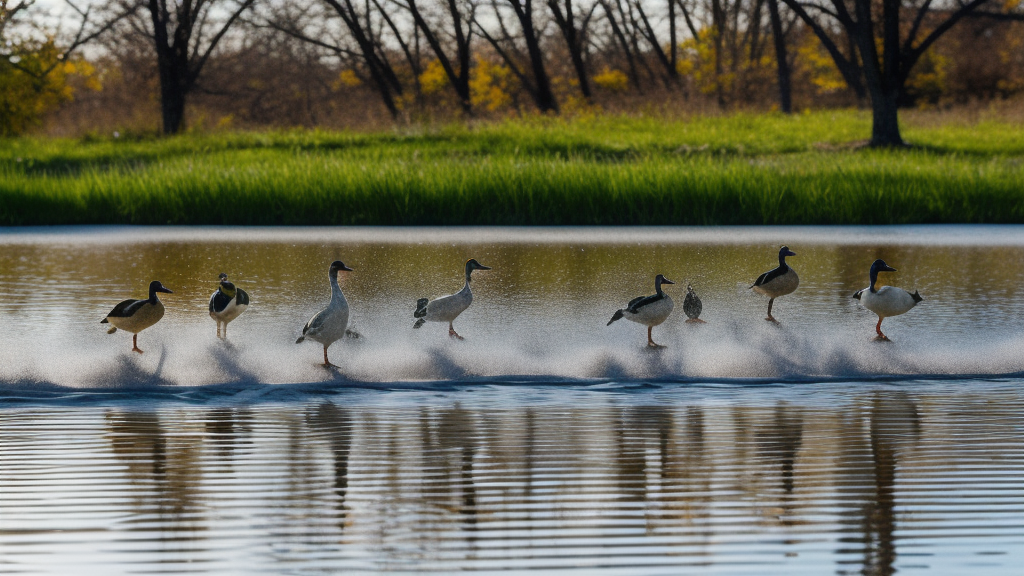
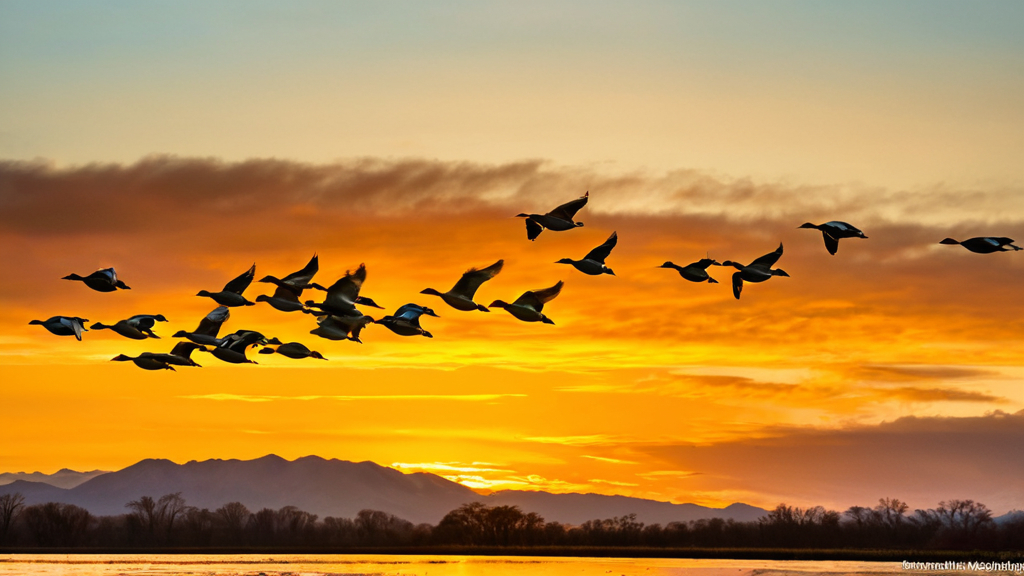
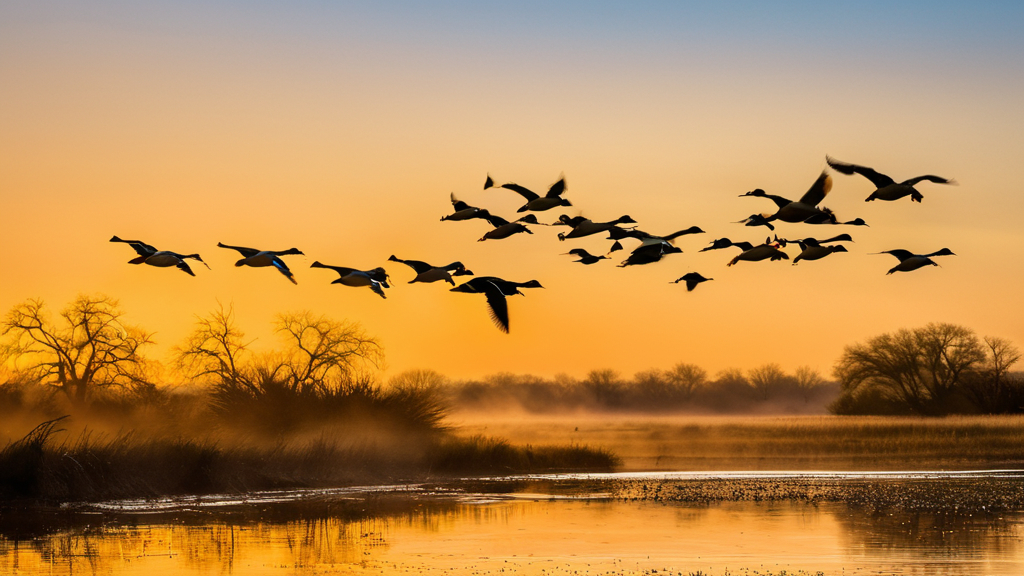
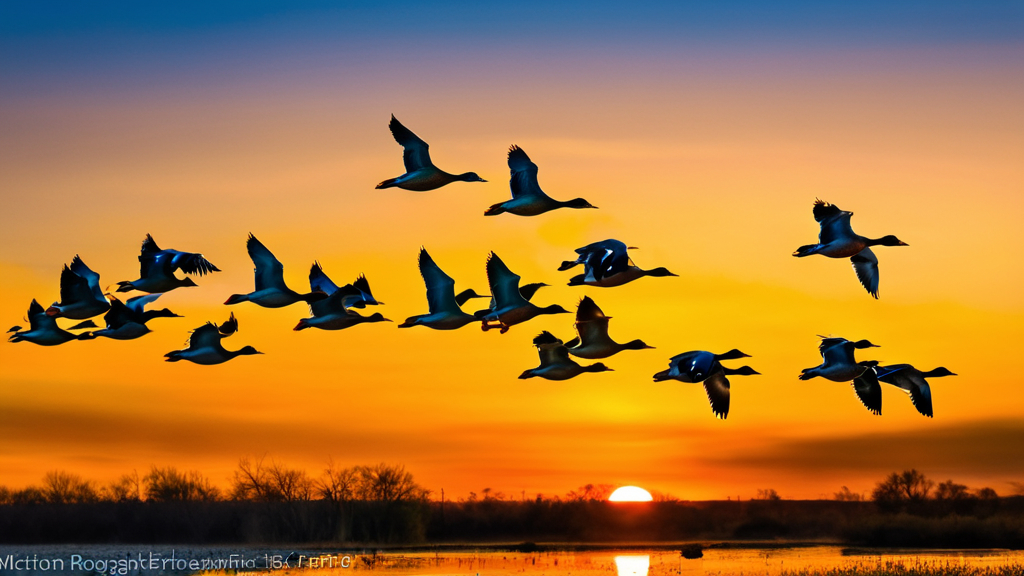
Come fall, mallards in colder regions embark on impressive migrations to find warmer climates. They fly in that classic V-formation, making their way to southern parts of the USA, and sometimes even further to Central America. It’s a true testament to their resilience and survival skills.

Conservation Status

Good news for mallard fans – these ducks are doing just fine! Their population is stable, and they’re not considered endangered. Their adaptability and wide range of habitats have helped them flourish. However, it’s still important to ensure their environments are clean and safe, free from pollution and disturbances.

Final Quacks

Mallard ducks are truly one of the most charming and adaptable birds of the USA. From their vibrant plumage to their hearty quacks and family-oriented behavior, they bring joy to bird watchers and nature lovers everywhere. Next time you’re near a pond or park, keep an eye and ear out for these delightful ducks. You might just find yourself captivated by their charm!

Happy birdwatching, everyone!

Pinterest
Instagram