White-Tailed Antelope Squirrel: Desert Dynamo of the USA
Desert Animals of the USA
When you think of desert animals, you might picture a coyote howling at the moon or a rattlesnake slithering through the sand. But let’s talk about a lesser-known, yet equally fascinating critter: the white-tailed antelope squirrel. This little dynamo is full of surprises and has some unique tricks up its furry sleeves!
Who’s This Little Speedster?
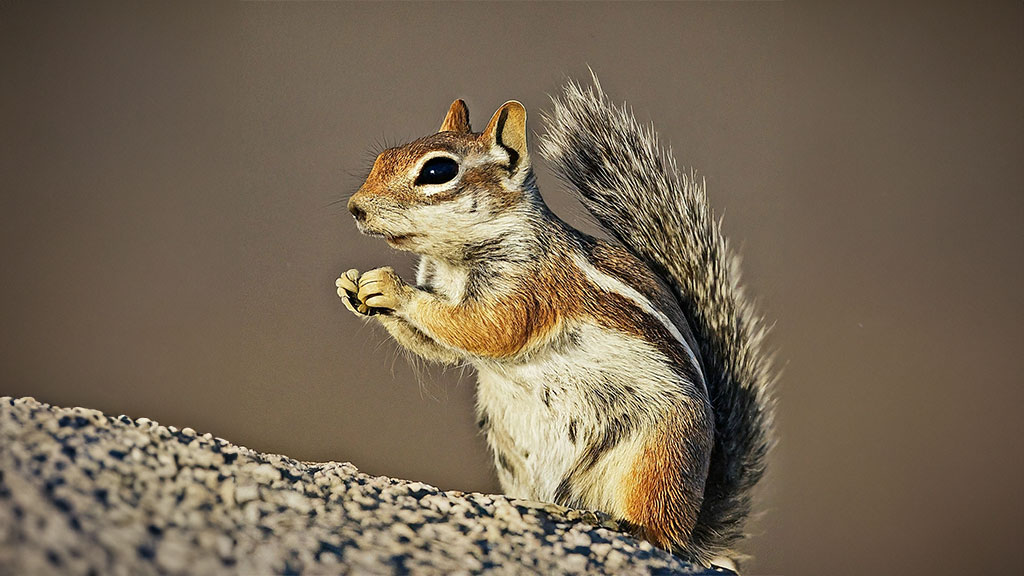
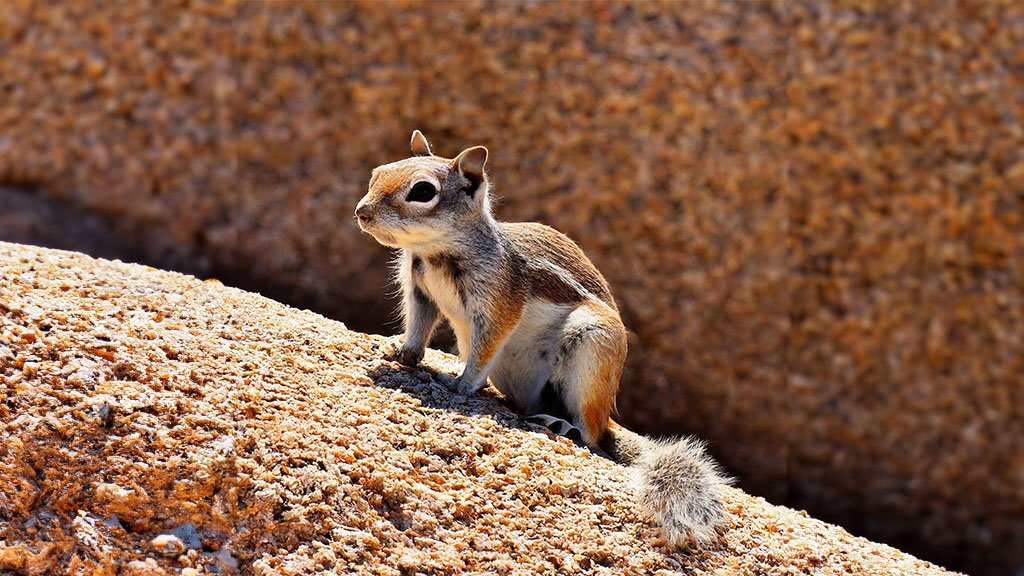
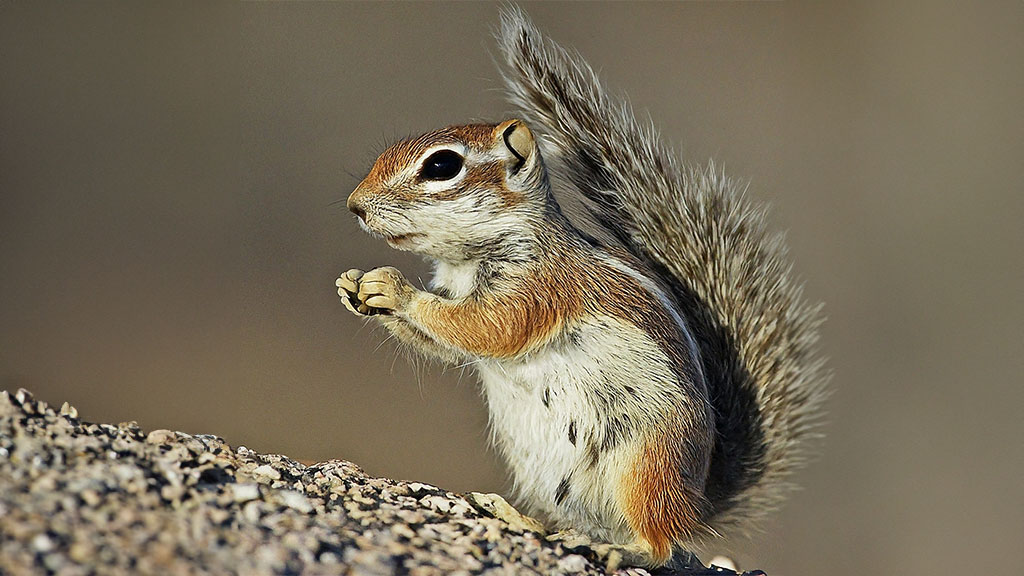
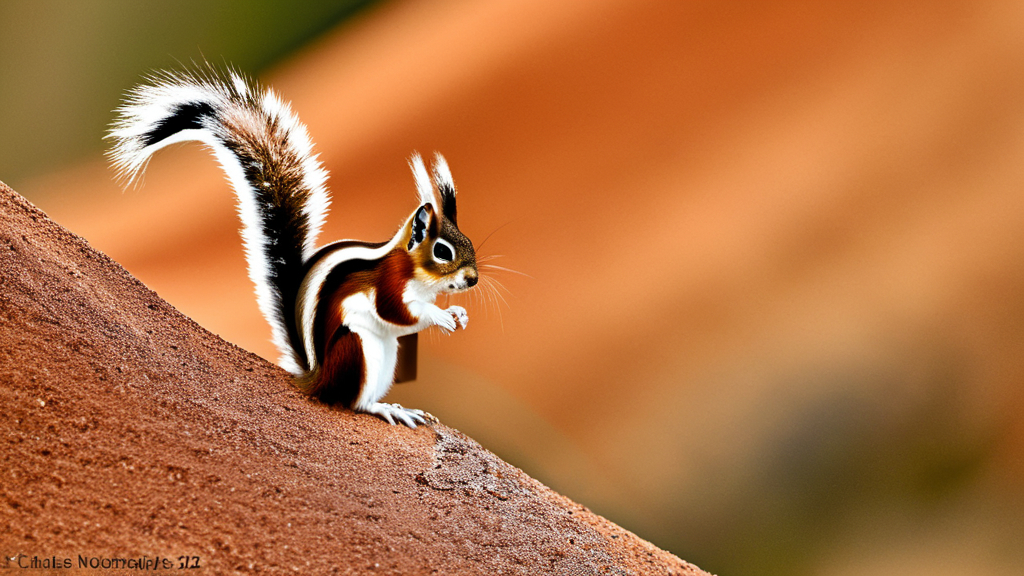
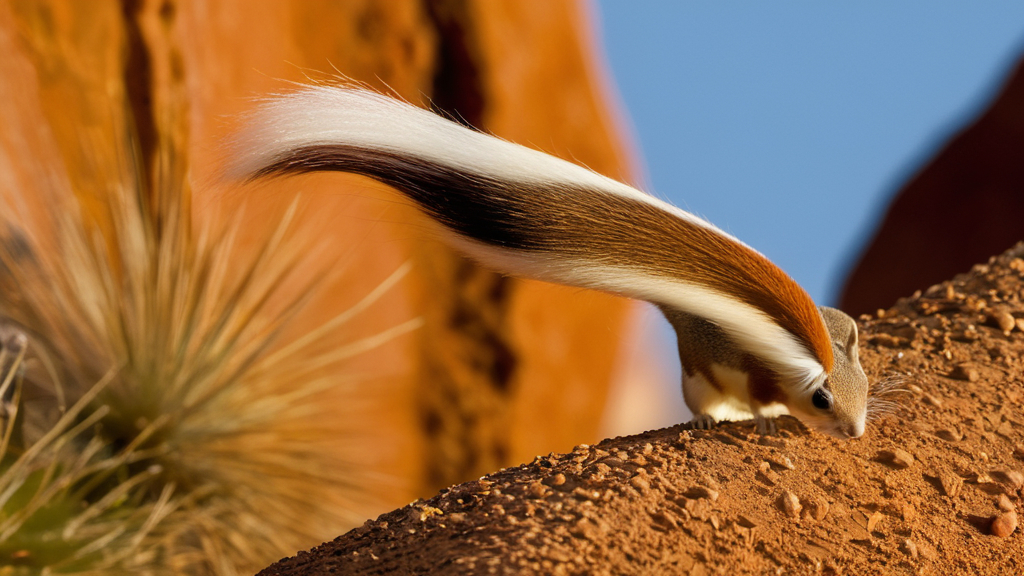
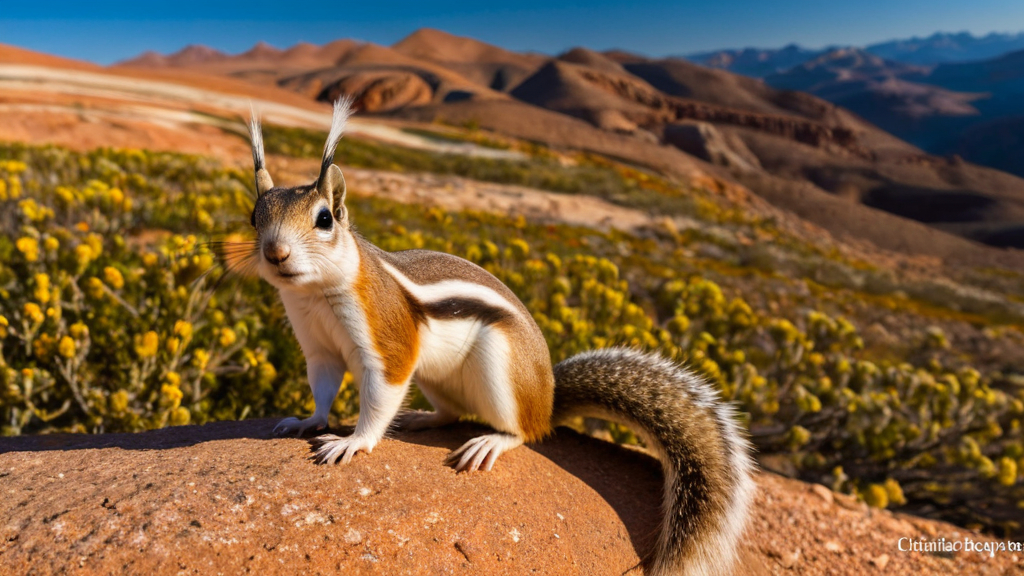
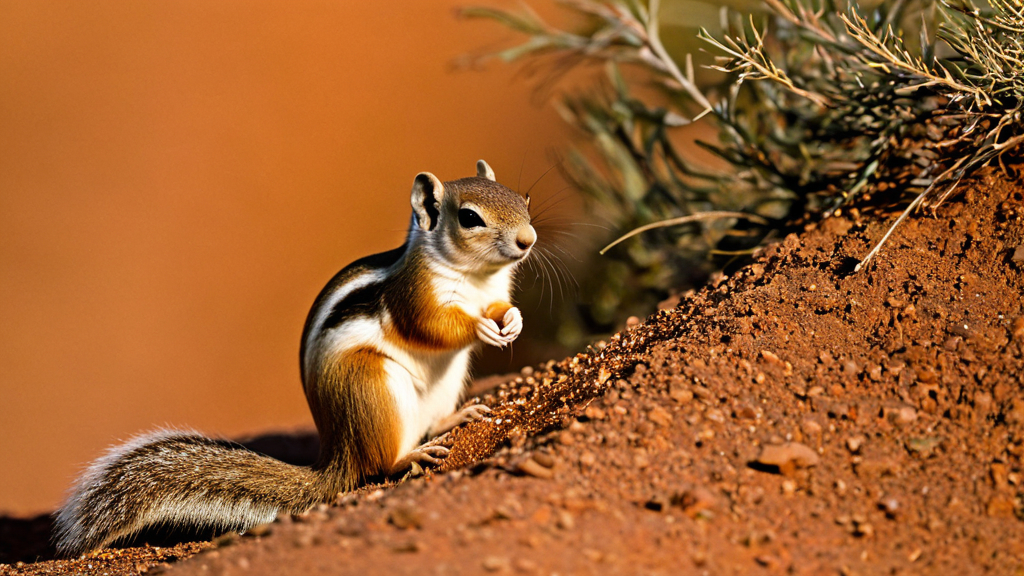
The white-tailed antelope squirrel is like the Usain Bolt of the desert world. These tiny squirrels can zip around at lightning speed, and trust me, you wouldn’t want to try and catch one. They’re like tiny furry ninjas darting between rocks and shrubs. Their white-tipped tails are a dead giveaway, flicking around as they move.
Diet: More Than Just Nuts
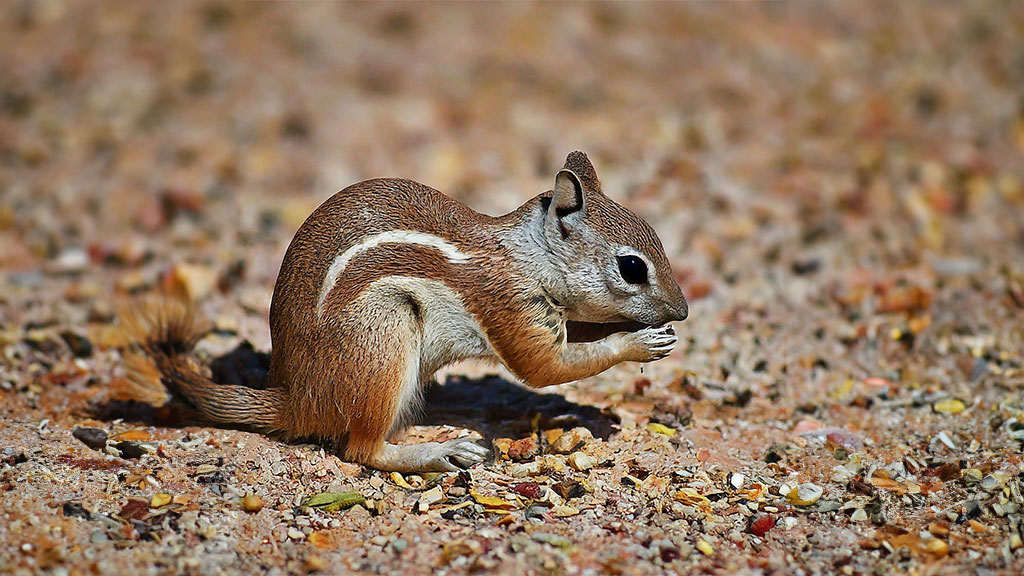
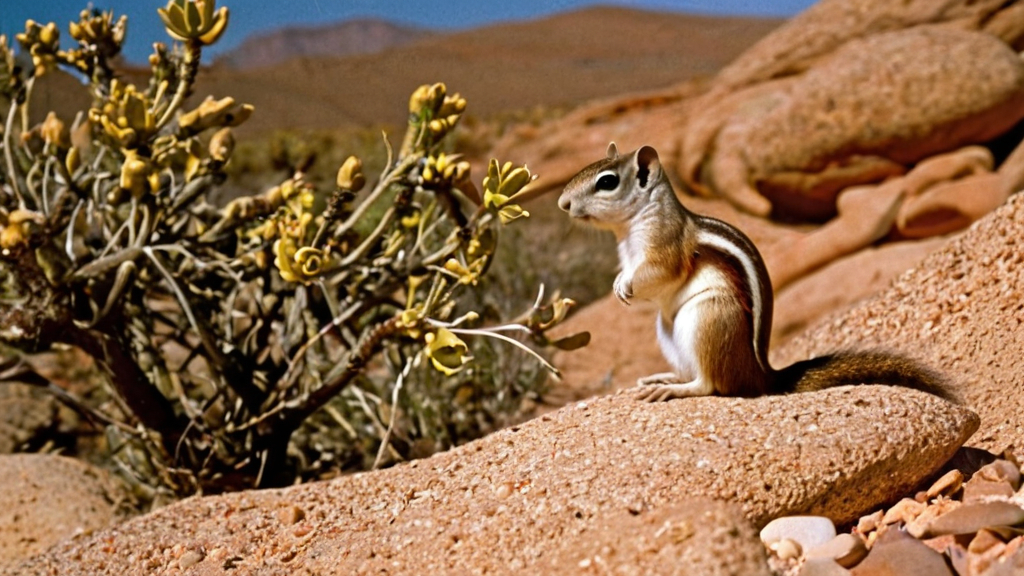
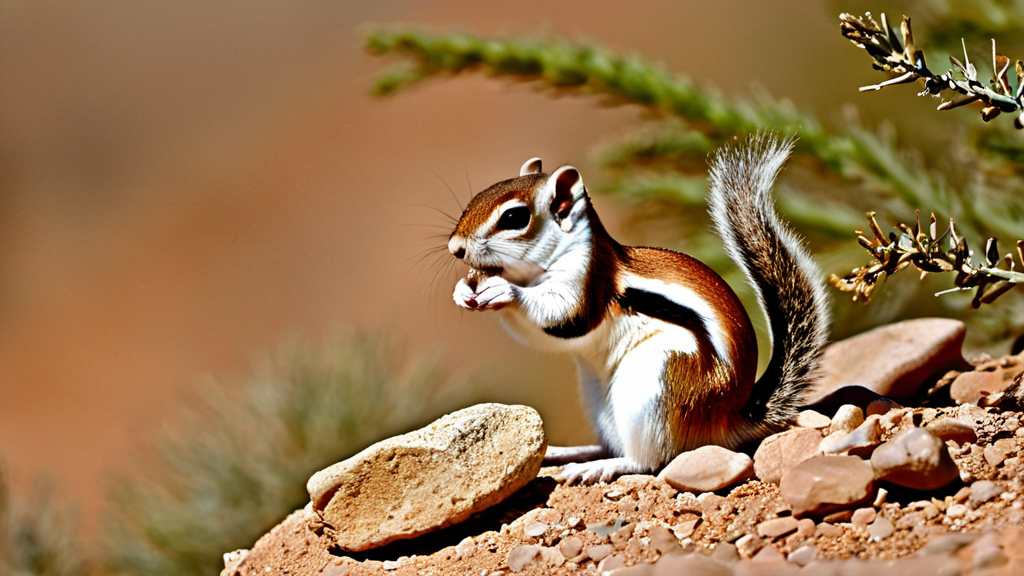
You might think squirrels only snack on nuts, but these desert dwellers are more versatile. Their diet includes:
- Seeds
- Fruits
- Bugs
- Occasionally small vertebrates


Survival Skills: On Point!
Life in the desert ain’t easy, but this squirrel has it all figured out. Here’s how:
-
-
-
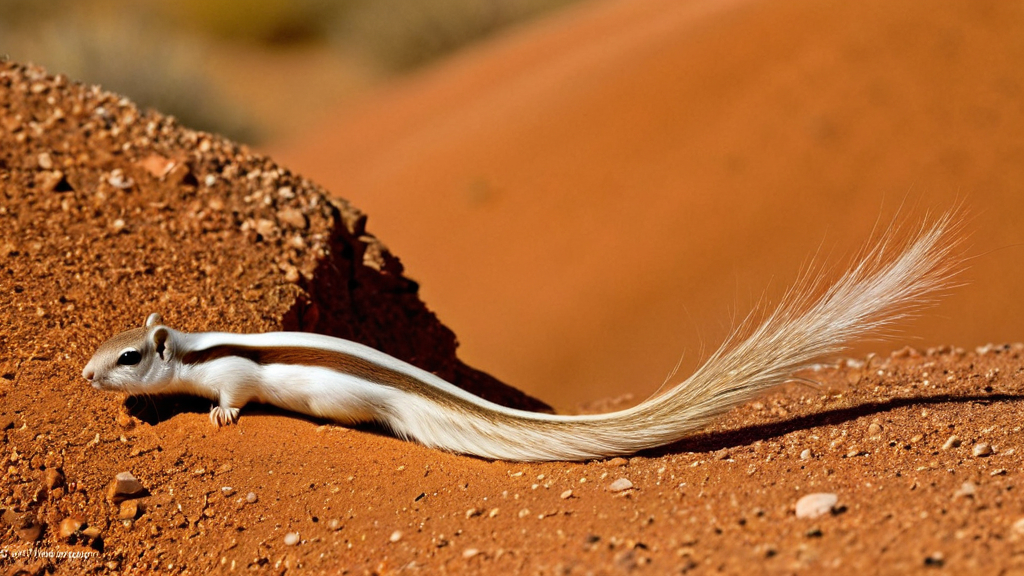
Heat Master: When the sun’s blazing, these squirrels have a cool trick. They flatten themselves against the ground, which helps them lose heat. It’s like their personal air-conditioning system!
-
Water Savvy: They don’t need much water to survive. They get most of their hydration from the food they munch on, like seeds and insects. Smart, right?
-
Camouflage Pro: Their fur blends perfectly with the desert surroundings, making them hard to spot for predators. Sneaky!
-
-
Habitat: Home Sweet Home
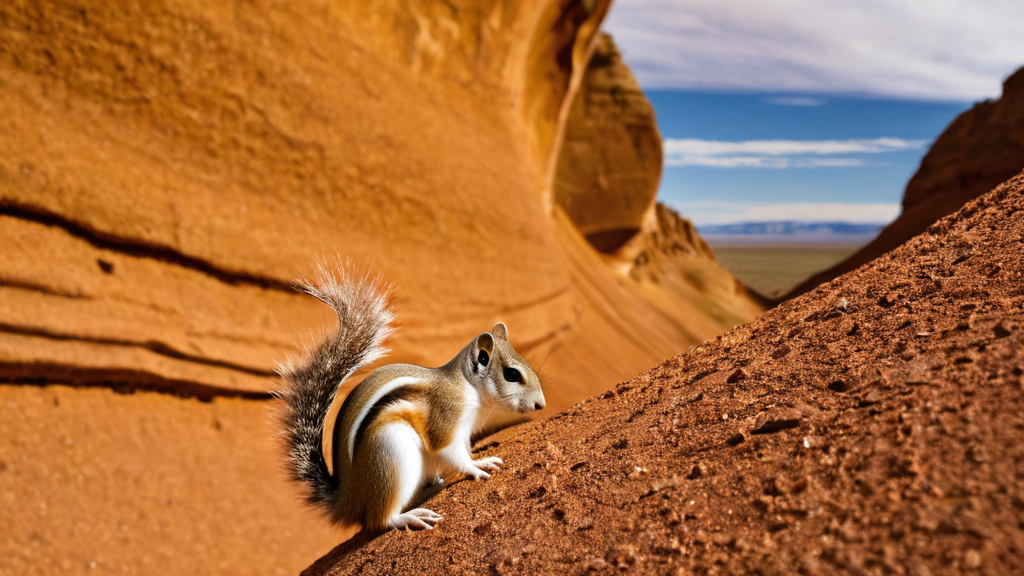
The white-tailed antelope squirrel calls the deserts of the southwestern USA home, particularly:
-
-
- Sonoran Desert
- Mojave Desert
-
They dig burrows to escape the heat and predators, creating little underground hideaways. It’s like having a secret bunker!