The Desert Woodrat: A USA Desert Animal Gem
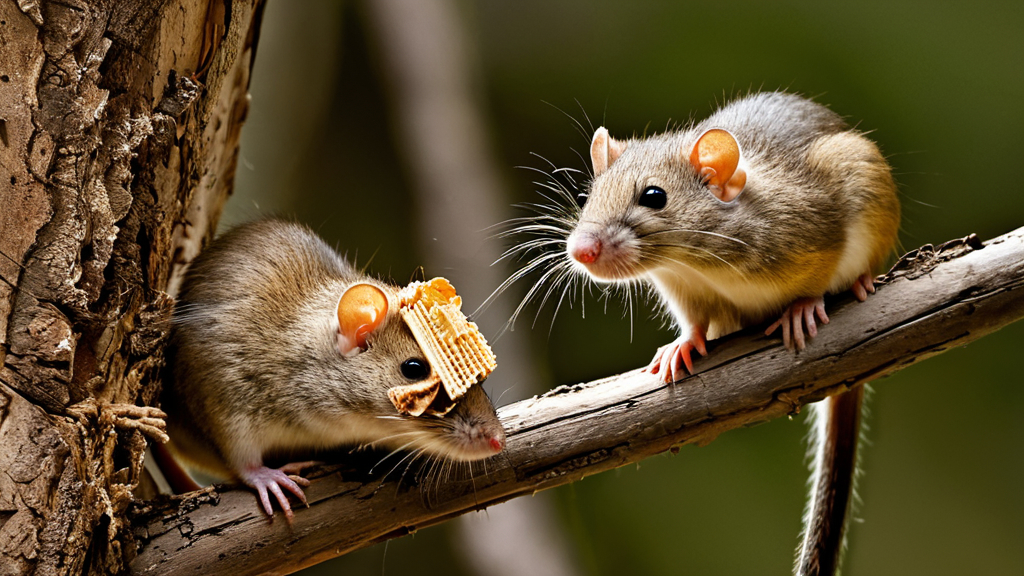
When you think about the wild, wild deserts of the USA, critters like coyotes and rattlesnakes probably come to mind. But there’s a smaller, often overlooked resident that’s pretty dang fascinating—the Desert Woodrat. Known as the “packrat,” this little guy is a true survivor. Let’s dive into the world of this furry desert dweller!
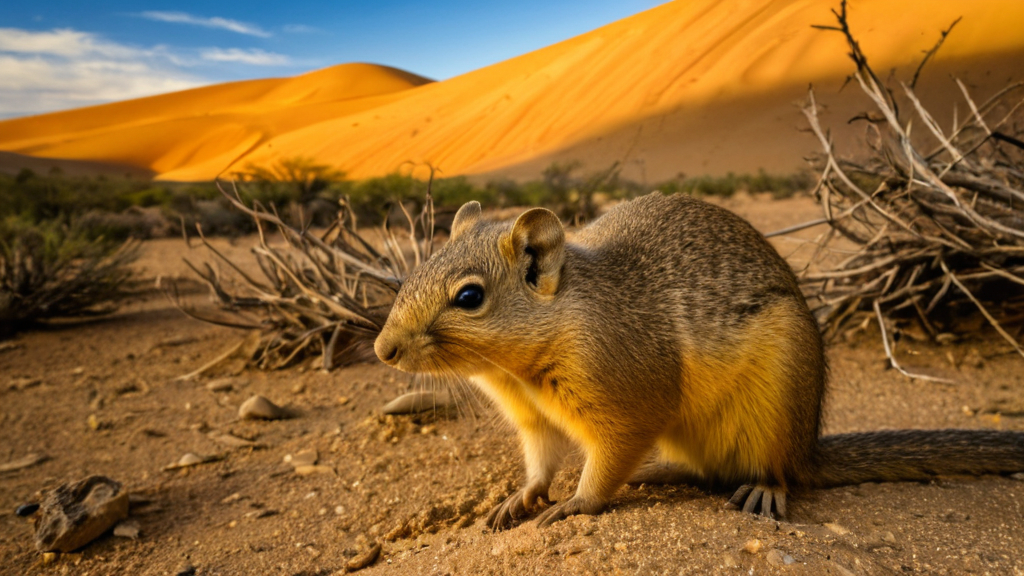
Meet the Desert Woodrat
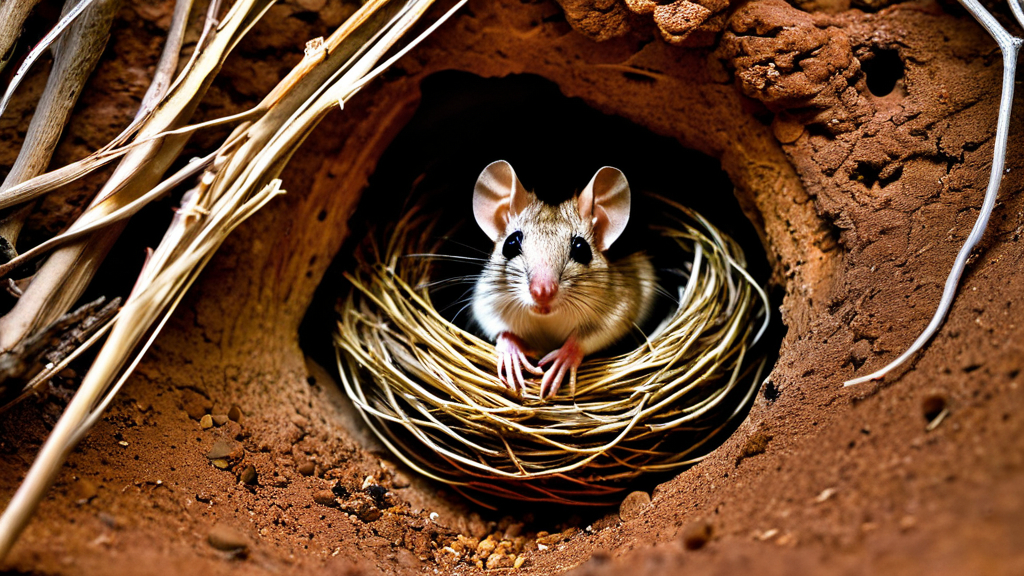
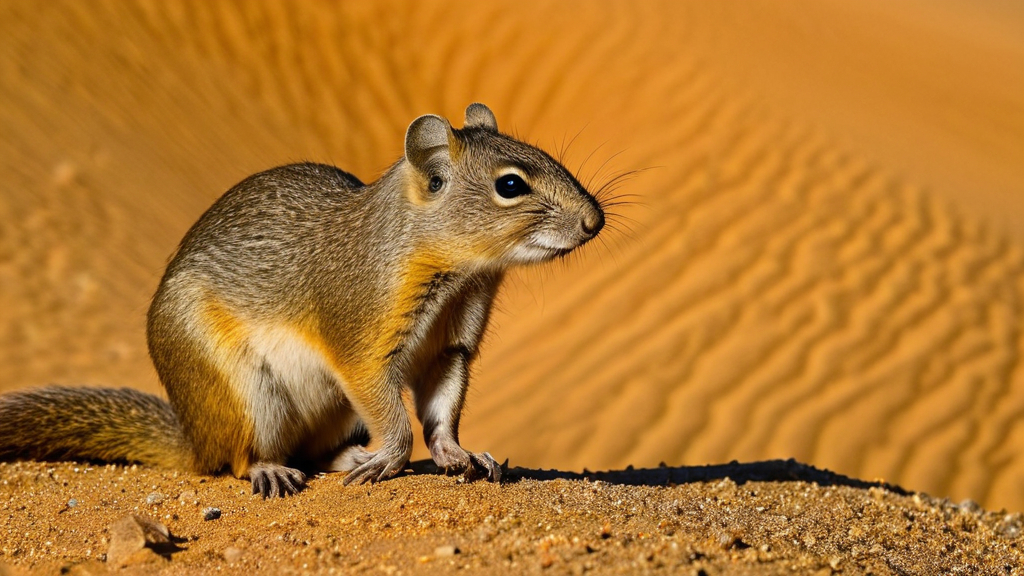
The desert woodrat, also called the packrat, is a native rodent of North America’s arid landscapes. It’s about the size of a common rat but with a bushier tail and bigger ears. These features help it navigate and thrive in its harsh, dry habitat.
Cool Facts About the Desert Woodrat
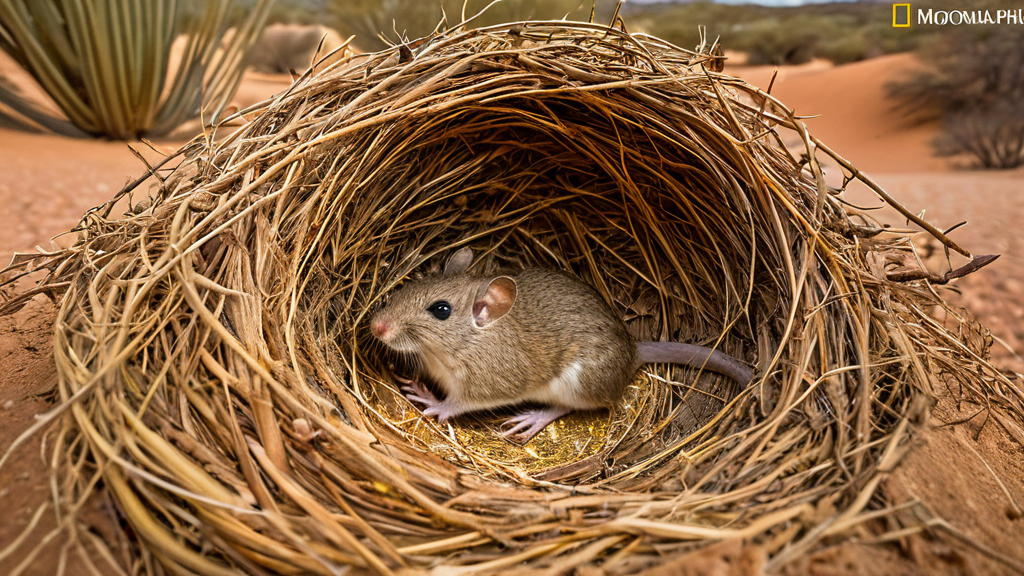
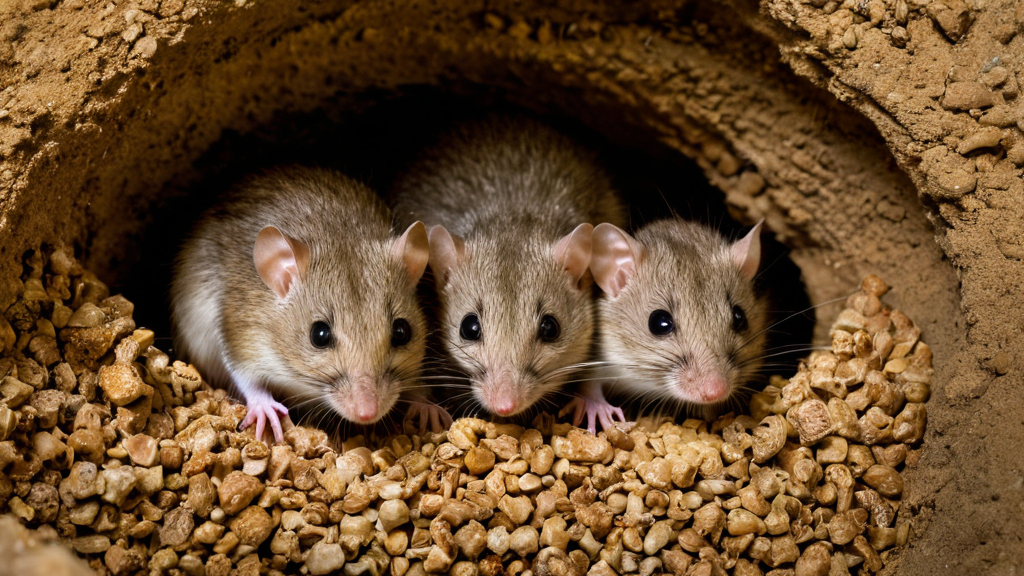
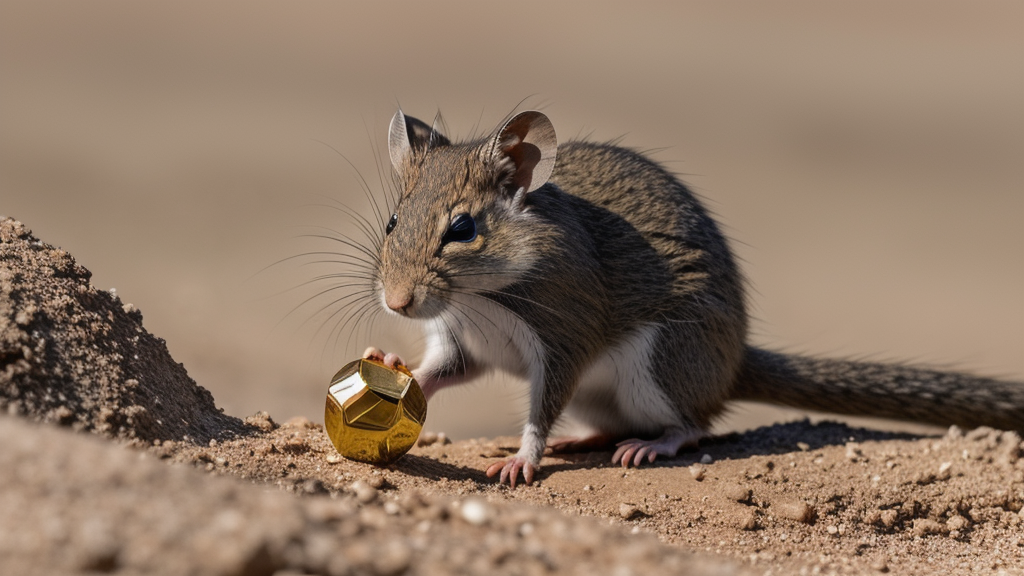
Resourceful Gatherers: Desert woodrats are notorious hoarders. They collect all sorts of materials—sticks, shiny objects, bones, even cactus spines—and pile them up into complex nests called “middens.” These middens can last for generations, providing shelter and storage for food.
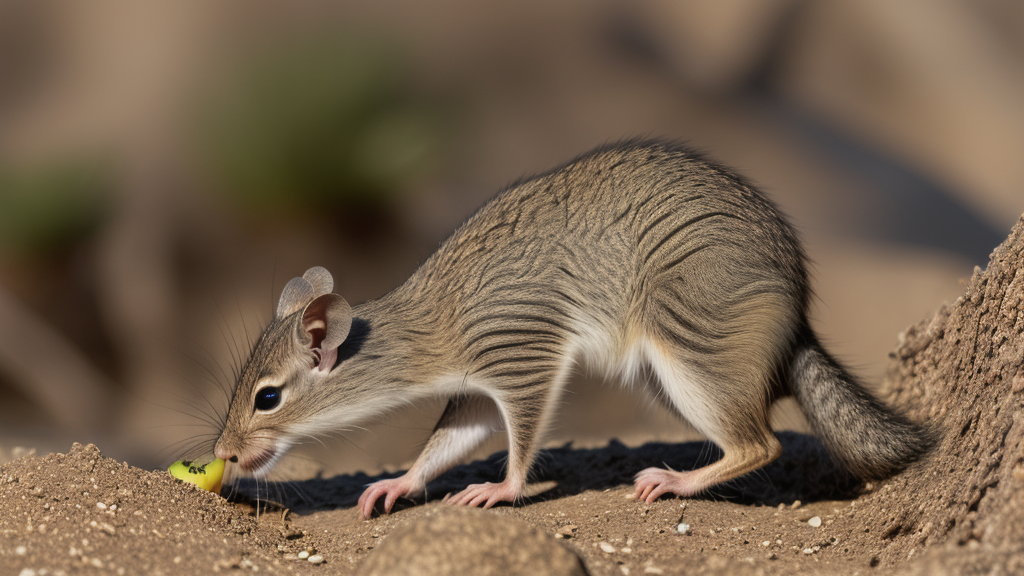
Water Wizards: Unlike many animals, woodrats don’t need to drink water. They get all the hydration they need from the plants they munch on, like prickly pear cactus. This makes them incredibly adapted to the desert’s scorching, dry conditions.
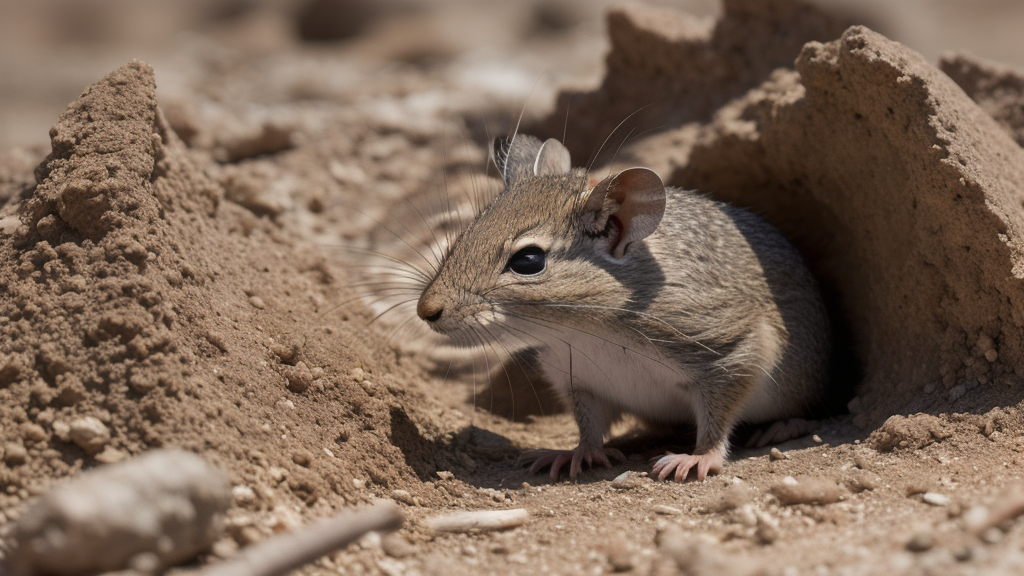
Night Owls: To avoid the brutal daytime heat, these critters are nocturnal. They spend their nights foraging and their days hiding in the cool, shaded safety of their middens.
The Role in the Ecosystem
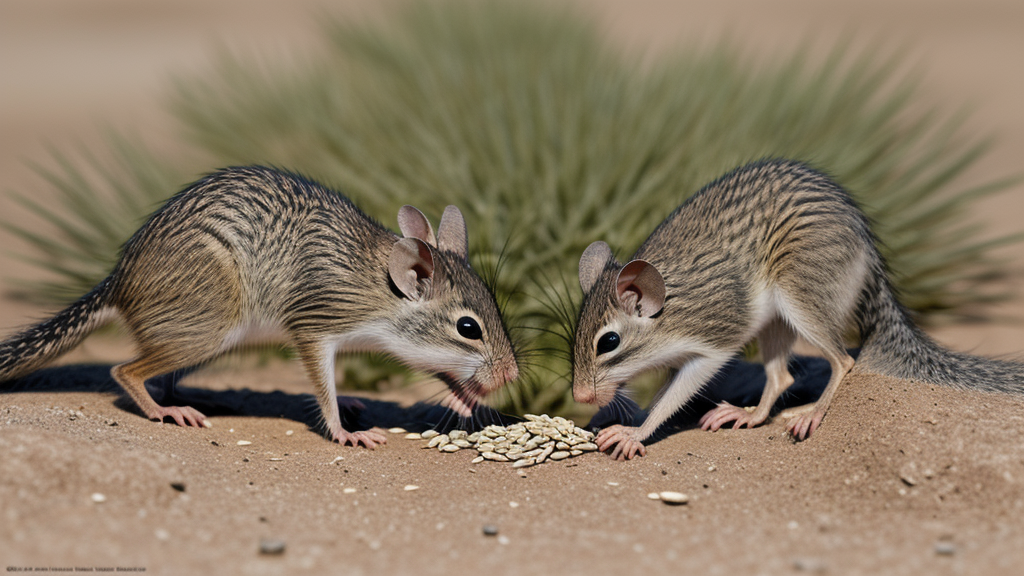
Desert woodrats play a crucial role in their ecosystem. Their middens provide habitats for other animals and insects. By gathering and storing seeds and plant material, they also contribute to the dispersal and germination of desert flora. They’re like tiny, furry gardeners!
The Ultimate Nests
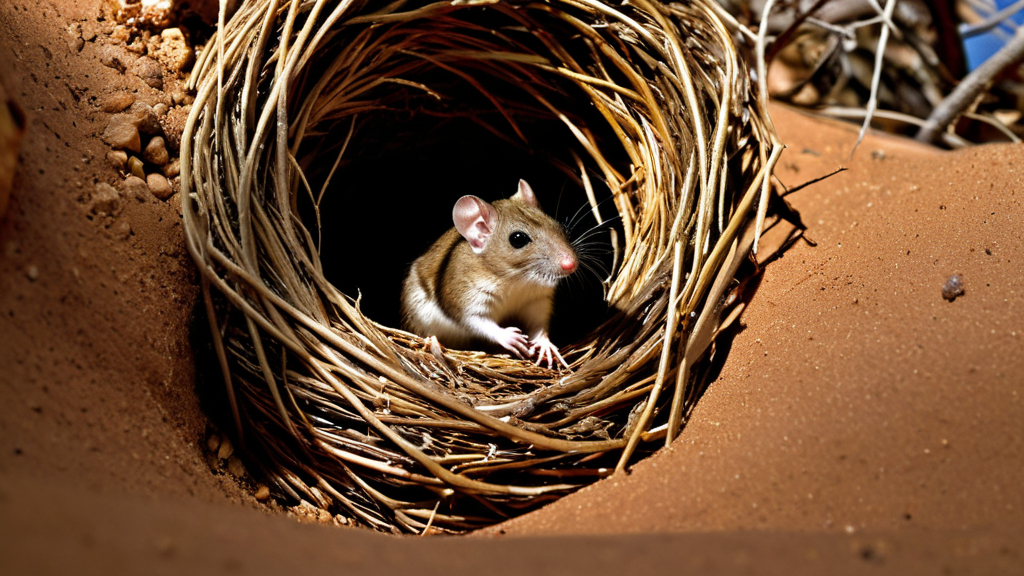
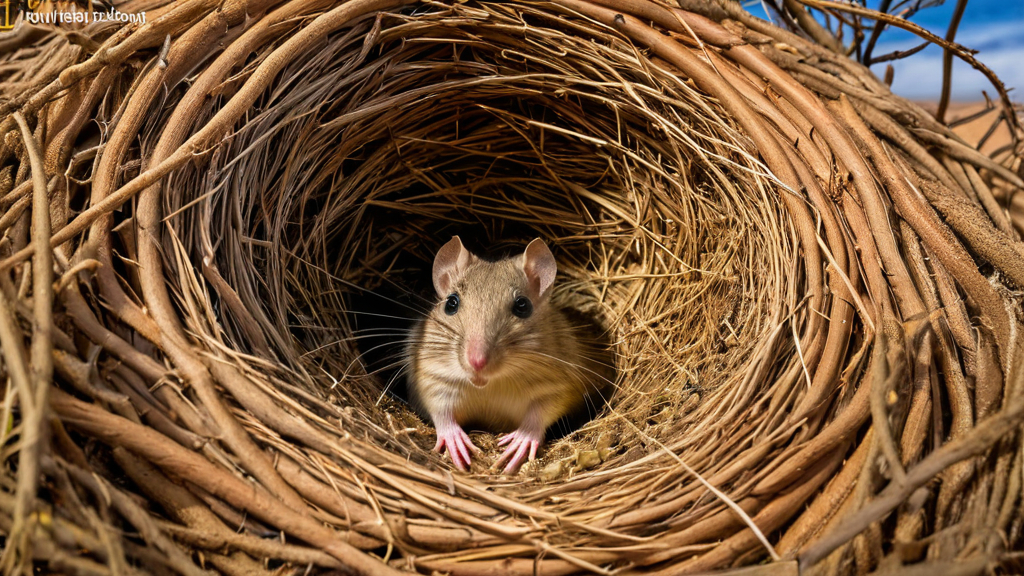
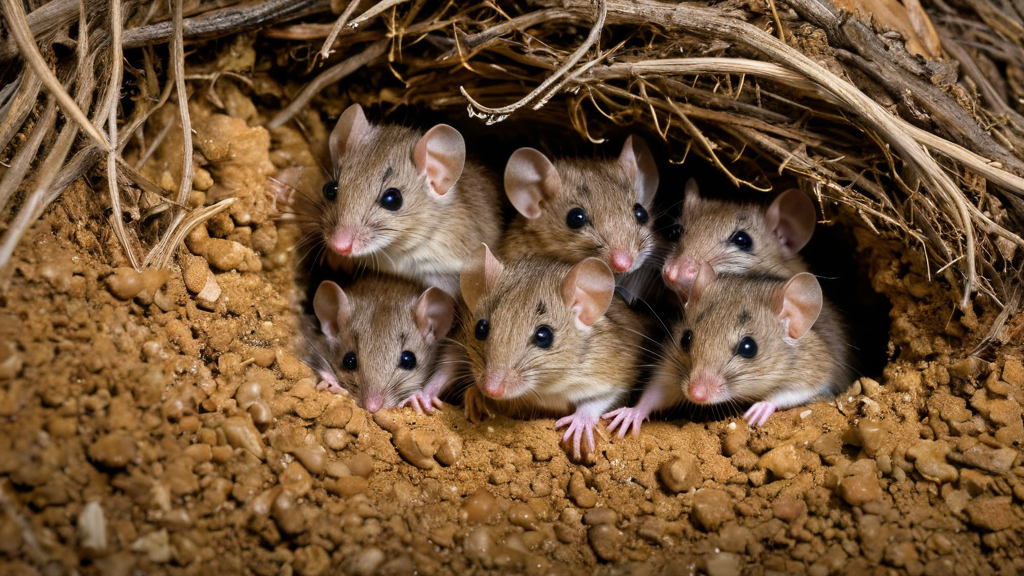
One of the coolest things about desert woodrats is their nests. These aren’t just any nests—they’re intricate constructions made from sticks, cactus parts, and anything else they can find. Known as middens, these nests can be huge and are often used by multiple generations of woodrats.