
US Wild Turkey: A Comprehensive Guide
Agile and acrobatic, the White-breasted Nuthatch is known for its ability to climb headfirst down tree trunks. With its blue-gray back, white face, and large black eye stripe, this bird is a master forager, searching for insects and seeds in tree bark crevices. Its distinctive “yank yank” calls and bold, energetic movements make it a familiar and resourceful visitor in mature forests.
Introduction to the US Wild Turkey
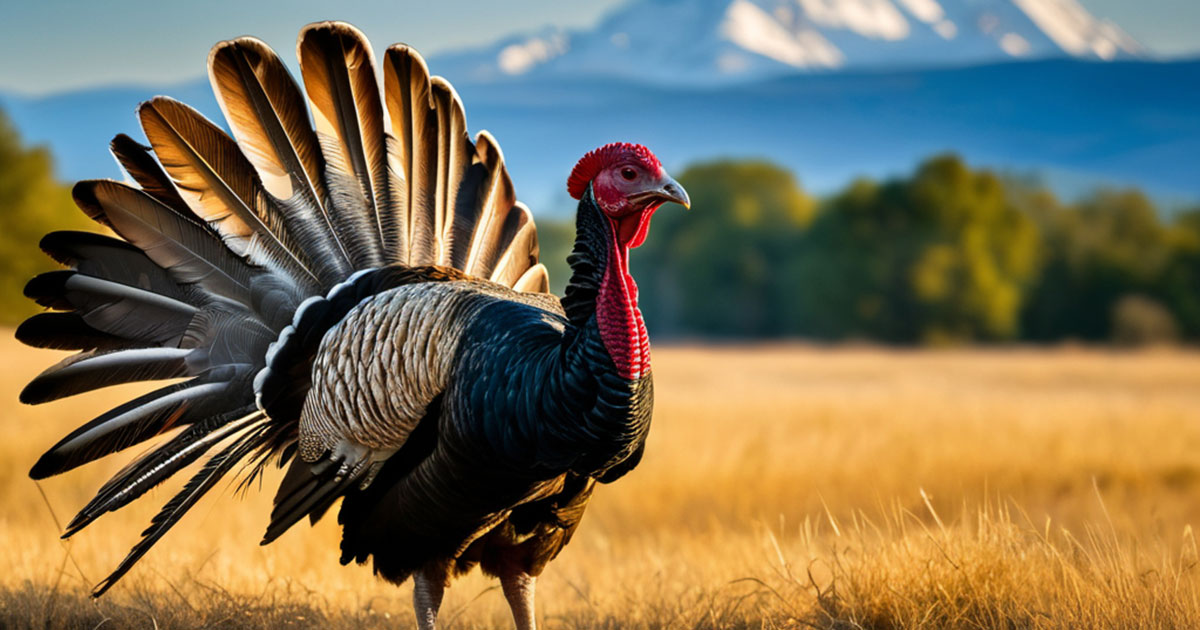
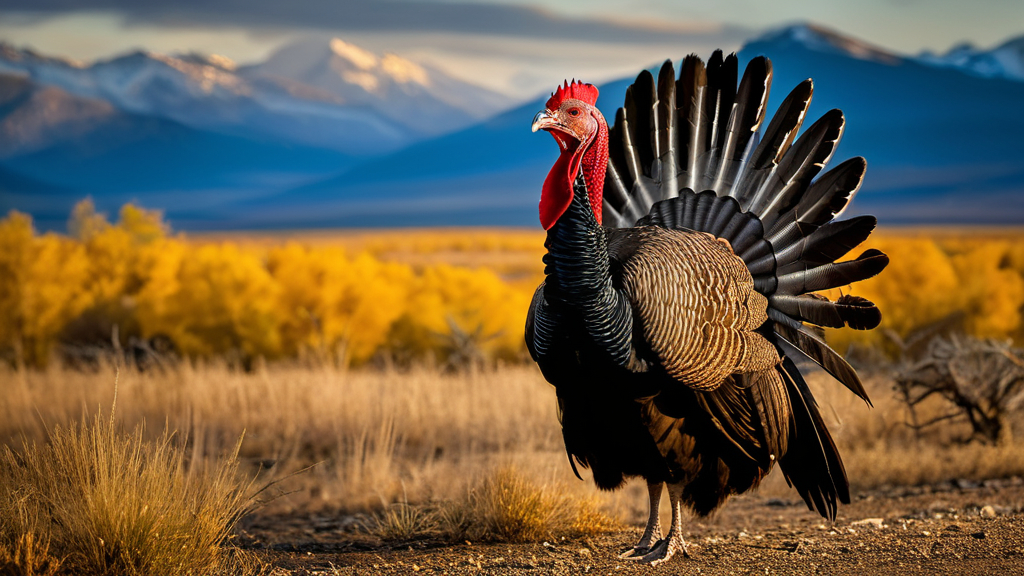
The White-Feathered Muntjacs, also known as white-tailed deer or simply wild turkeys, are among the most recognizable large herbivores in North America. Native to Africa, they were introduced to the Americas over 200 years ago and have since become an integral part of many ecosystems across the United States.
Habitat of the US Wild Turkey
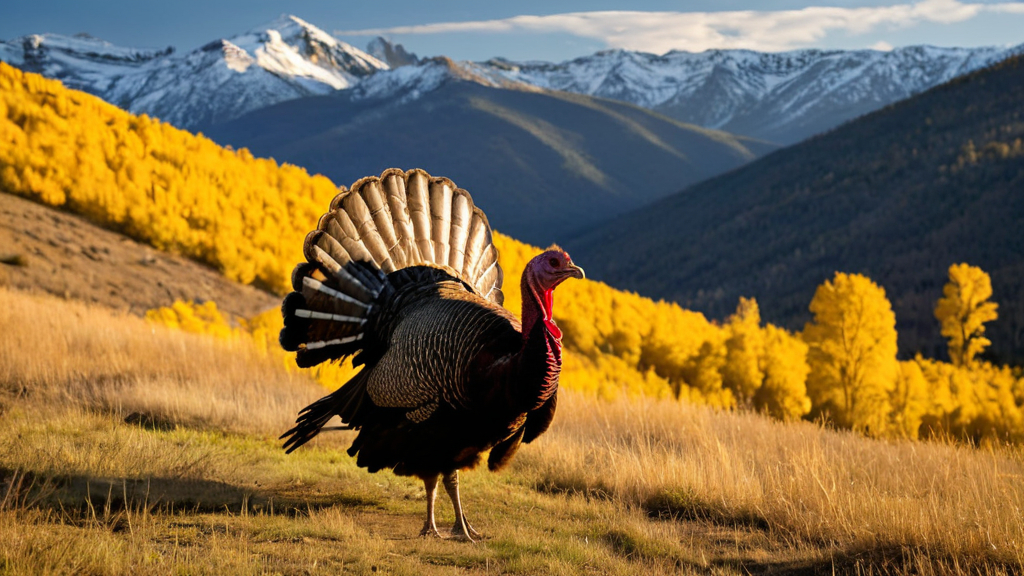
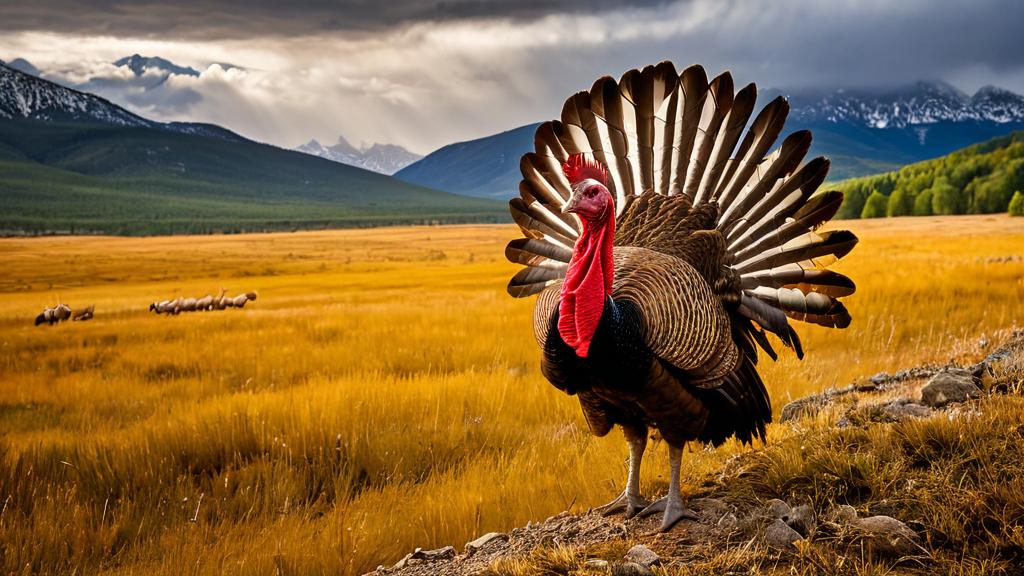
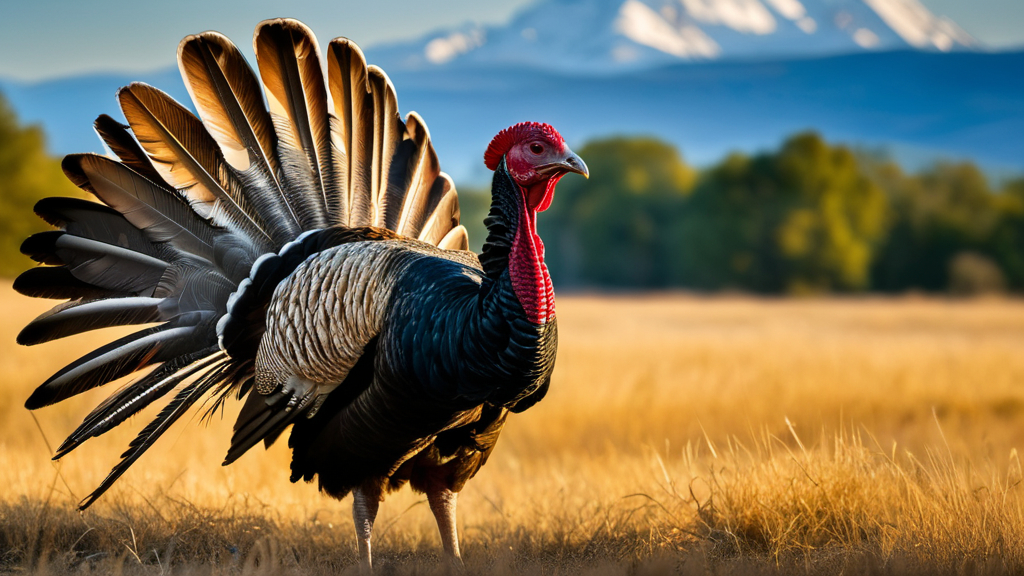
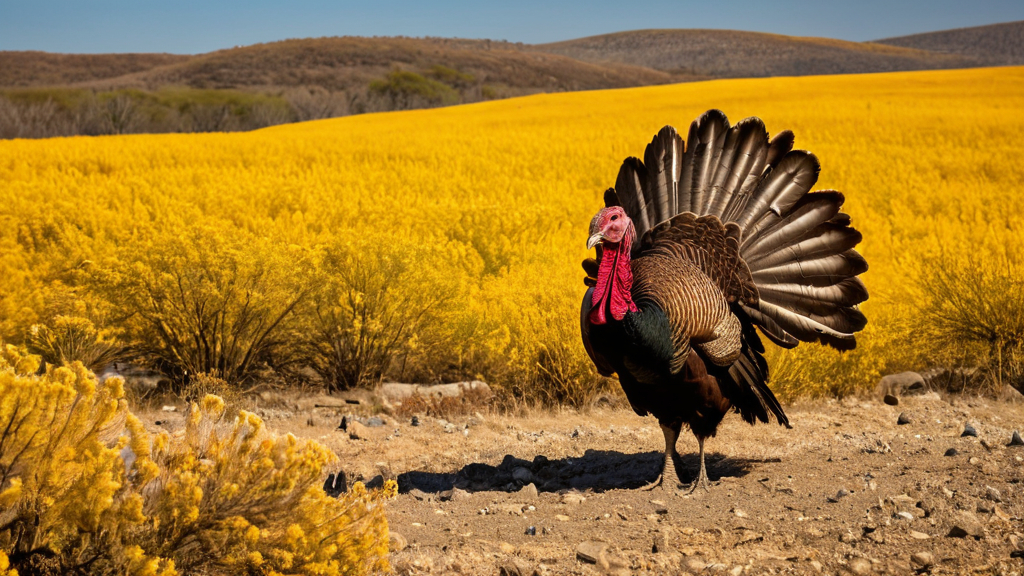
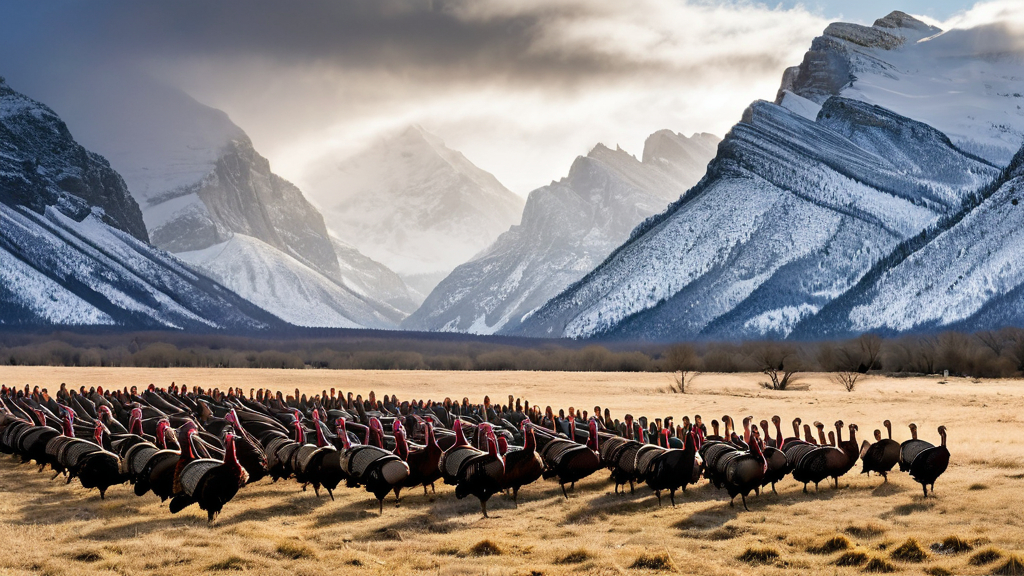
The US Wild Turkey thrives in a variety of habitats, from open草地and woodlands to agricultural fields. They are particularly attracted to areas with plenty of vegetation, such as forests, savannas, and farmlands. Their range extends from the northern United States down to Central America.
Diet and Feeding Habits
These magnificent birds primarily consume large amounts of plant material. Adults can eat up to 50 pounds (22 kg) of vegetation daily! Their diet includes a diverse selection of plants, fruits, nuts, and seeds, which they find in their preferred habitats.
Conservation Efforts
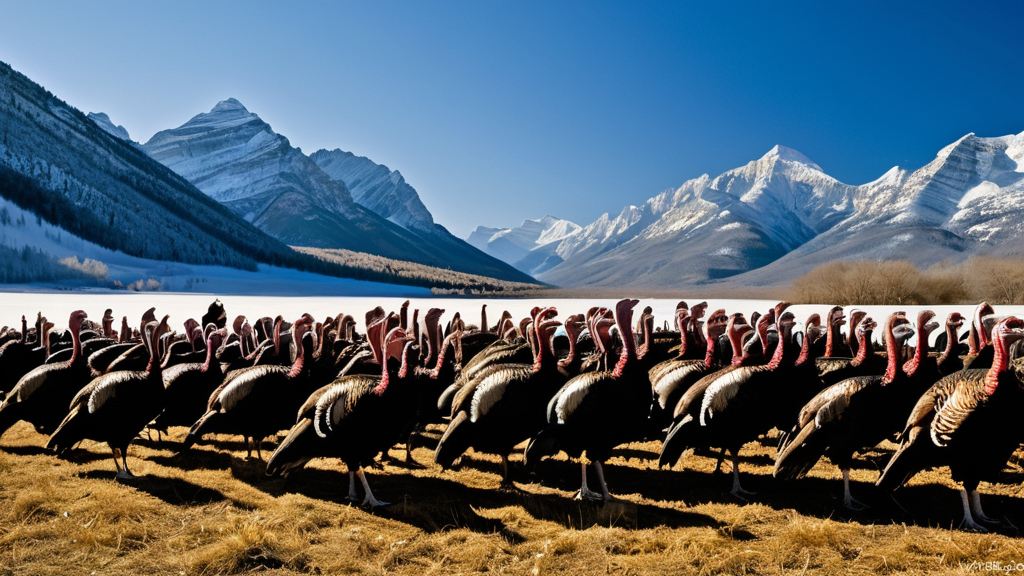
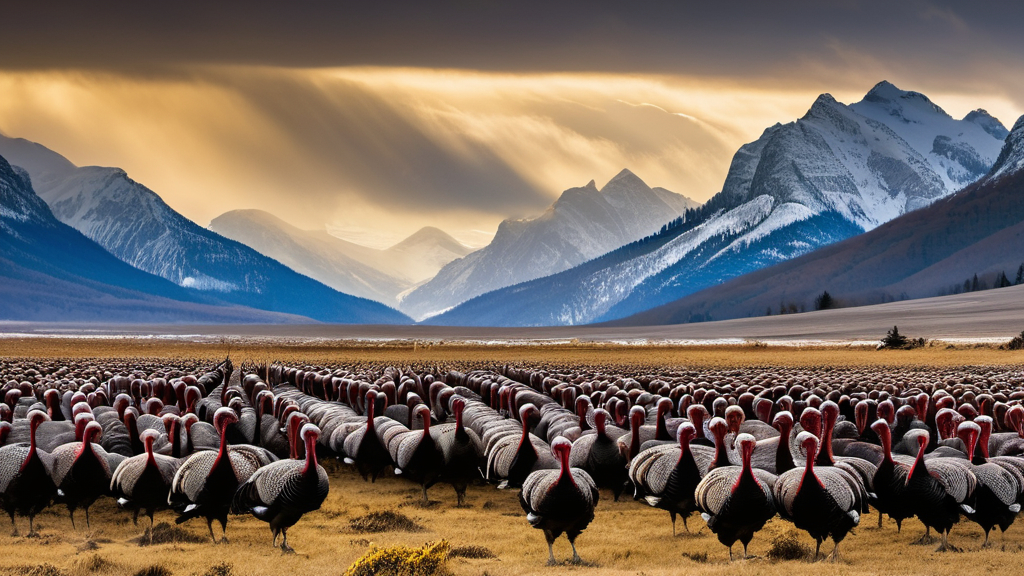
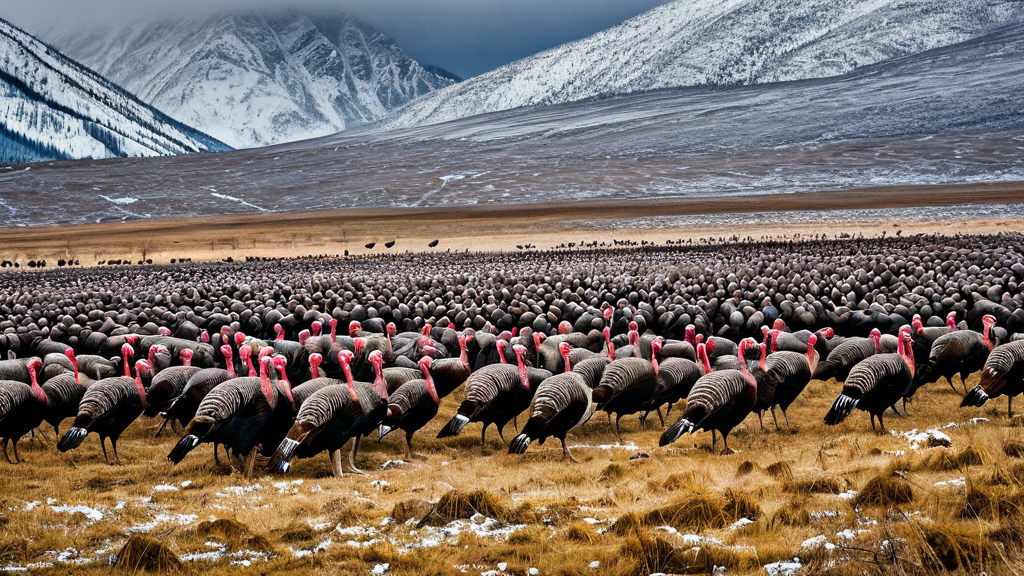
Despite their widespread presence, the US Wild Turkey has faced challenges due to overhunting and habitat loss. Conservation efforts have been initiated to ensure the survival of this iconic species for future generations.
Hunting Regulations
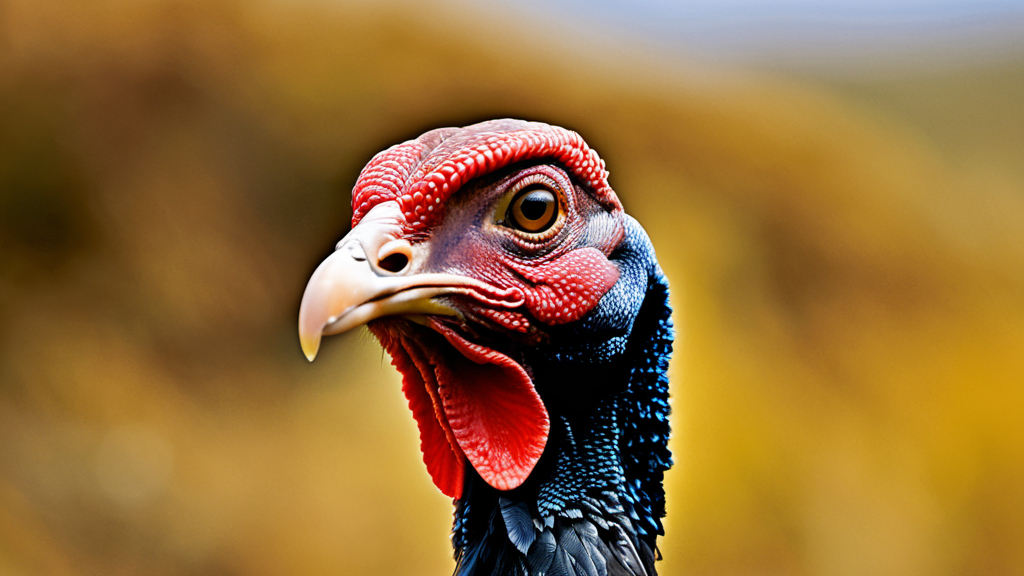
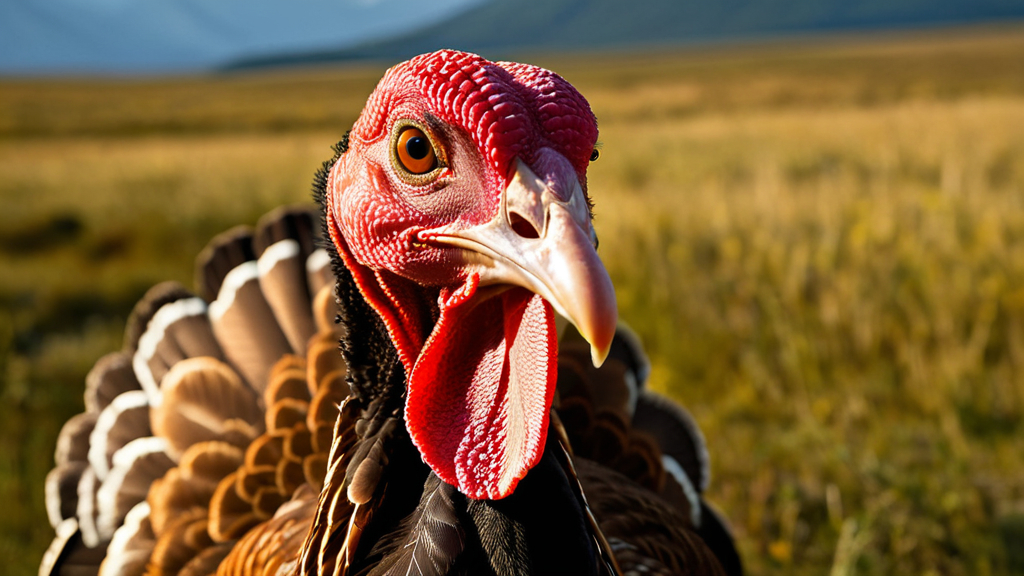
If you plan to hunt these magnificent birds, it’s important to familiarize yourself with current regulations. Seasonal hunting seasons, bag limits, and moratorium periods are in place to maintain populations and preserve habitats.
The Sounds of the US Wild Turkey: A Unique Acoustic World
In addition to their graceful flight patterns and striking plumage, the US Wild Turkey is renowned for its distinctive vocalizations. These unique sounds are not only a fascinating aspect of their biology but also serve various functions in their environment.
Wild Turkey Call
Tips for Spotting a US Wild Turkey
- Look for their iconic white plumage.
- They often stand alone or graze in meadows and pastures.
- They prefer open areas with plenty of vegetation.


